FTSE Russell Confirms Vietnam Market Upgrade for 2025
Vietnam market upgrade is confirmed for September 2025 as FTSE Russell shifts it to Secondary Emerging Market, with inflow projections up to $6B.
Atlas Newsdesk ·
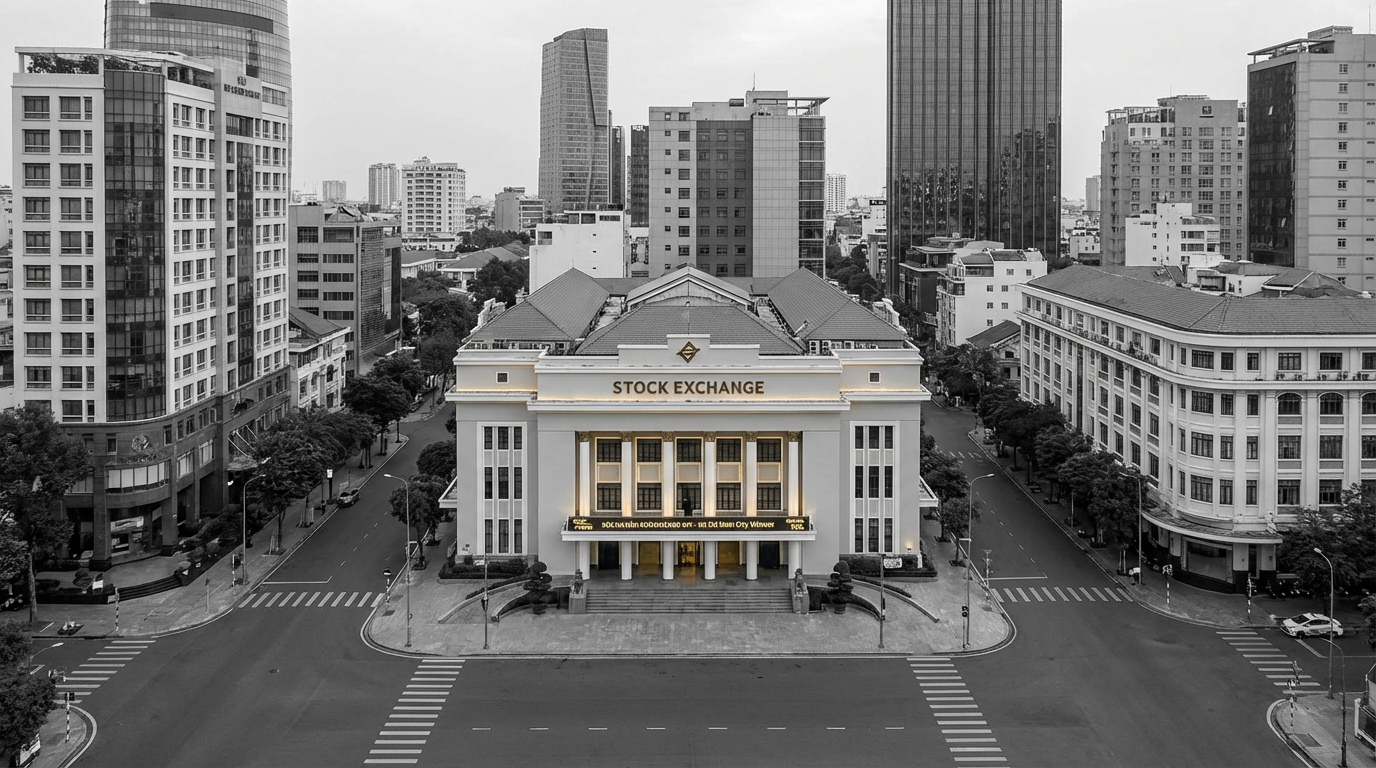
Vietnam’s equity market is scheduled to move up a tier in September 2025 , after FTSE Russell reaffirmed plans to reclassify the country from a “Frontier Market” to a “Secondary Emerging Market.” Officials and market participants have treated the decision as a key milestone because it confirms a timeline first communicated in October 2023, following a successful interim review.
The upgrade is the latest step in a process that began in 2018, when Vietnam was first placed on a watchlist for a potential reclassification. FTSE Russell’s decision indicates the market has met criteria tied to size, liquidity, and operational efficiency. In practical terms, the shift places Vietnam alongside a more established peer group than frontier markets, which are generally smaller, less liquid, and viewed as higher risk.
Capital flows are a central focus for investors and policymakers . Projections cited by market participants suggest the reclassification could draw as much as $6 billion in new capital into Vietnam’s main bourse, the Ho Chi Minh Stock Exchange, as global funds adjust their allocations.
A significant portion of that demand is expected to come from passive strategies—such as exchange-traded funds (ETFs) and tracker funds—that are designed to mirror FTSE’s emerging market indices and therefore must buy Vietnamese equities once the country is included.
Supporters of the upgrade say the expected inflows could deepen liquidity and support valuations for listed Vietnamese companies, while also potentially reducing their cost of borrowing. The decision has also been described by market participants as an endorsement of Vietnam’s economic management and its expanding role as a manufacturing hub in Southeast Asia, factors that have helped keep global investor attention on the market.
With the FTSE Russell decision now locked in, attention is shifting to MSCI , another major index provider that many investors consider more influential. Market participants say an MSCI upgrade could open access to a larger pool of global capital, but Vietnam has not yet met all of MSCI’s requirements.
A key hurdle cited is the pre-funding requirement, which requires foreign investors to have enough cash in their accounts before placing trades—an approach global asset managers often view as inefficient.
Vietnamese regulators are reportedly working on remedies, including a central clearing and settlement system intended to address the issue. Even with the FTSE Russell promotion confirmed, some investors remain cautious about near-term market behavior.
Market participants have flagged the possibility of short-term volatility around the September 2025 implementation, as early-positioned investors may seek to “sell the news,” while longer-term momentum is expected to depend on continued regulatory reforms that align market practices with global standards.