Tariff Refunds Begin After Supreme Court Mandate
U.S. tariff refunds begin as CBP opens a Monday portal after a February Supreme Court ruling, enabling claims from eligible importers.
Atlas Newsdesk ·
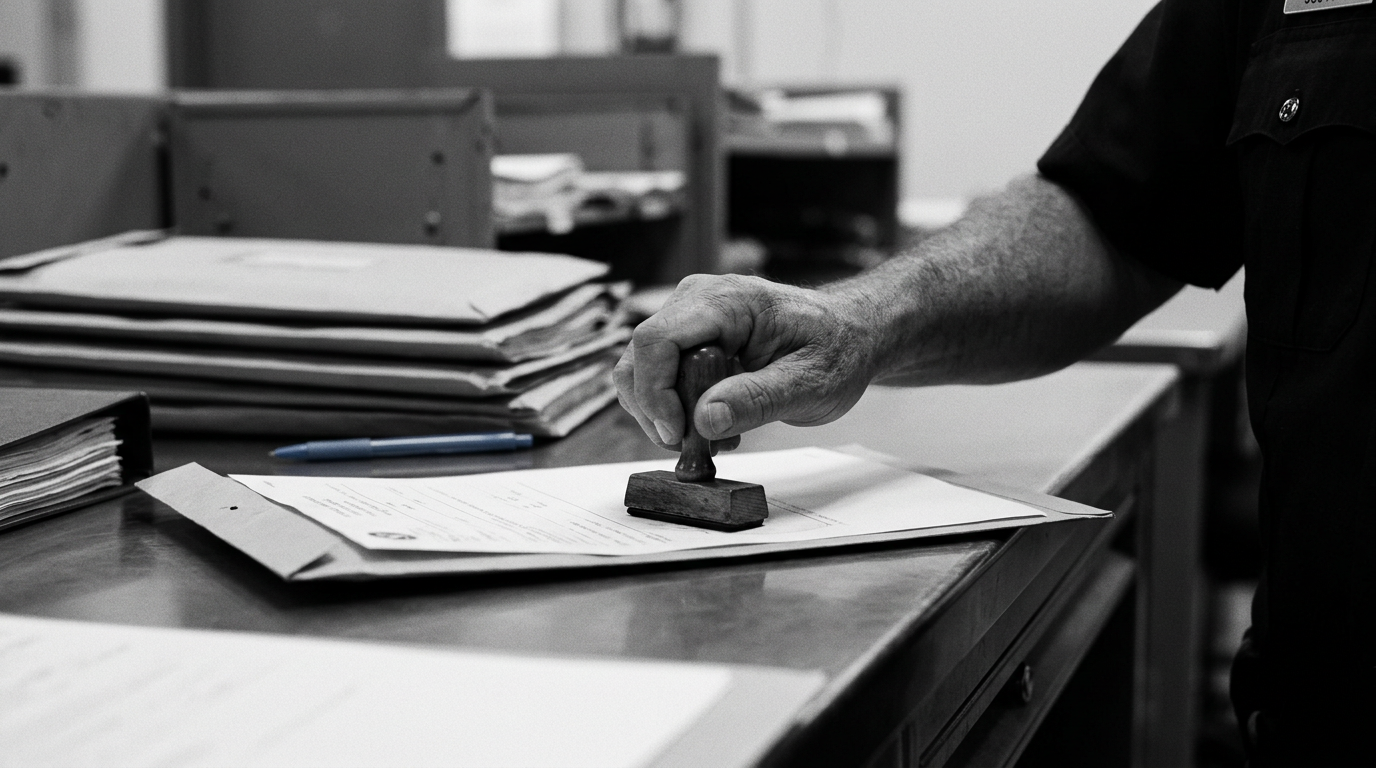
U.S. Customs and Border Protection has started processing refunds for certain tariffs after the Supreme Court found them unconstitutional. An online portal opened on Monday, allowing businesses to submit claims tied to duties that were invalidated by the court’s February decision.
The Supreme Court ruling struck down tariffs imposed under the International Emergency Economic Powers Act (IEEPA) during the previous administration. Officials said the decision cleared the way for a large-scale reimbursement process affecting importers that paid the duties while they were in force.
According to the figures cited, about 330,000 importers may be eligible to seek repayments totaling more than $160 billion. As of early April, more than 56,000 importers had already completed the initial steps required for online applications, with those early-stage claims collectively valued at $127 billion.
Companies are now moving to recover specific amounts they say they paid under the invalidated tariff regime. Online fashion retailer Asos is among the firms pursuing reimbursement, seeking approximately £7 million ($8.8 million) for tariffs it paid in the first half of its financial year.
Officials said successful applicants should expect refunds within 60 to 90 days, with applicable interest included. The timeline and the addition of interest are central to how businesses assess the cash-flow impact of the repayment process, particularly for firms with large historical duty bills.
Early user experiences with the portal have been mixed. Some businesses reported that the application process was straightforward, while others said they encountered system errors that they attributed to heavy traffic and high submission volumes.
The refund program is focused on importers and other eligible business claimants rather than households. Individual consumers, who paid higher prices indirectly as companies passed through tariff costs, are not expected to receive compensation under the process described.
More broadly, the refunds are positioned as a mechanism to address the financial effects of the invalidated tariffs on businesses. The scale of potential repayments—over $160 billion across roughly 330,000 importers—highlights the administrative and financial significance of the Supreme Court’s February ruling and the government’s implementation steps through the Monday portal launch.