Mideast Tensions Jolt Global Markets
Global markets swung on April 23, 2026 as strong Asian data faded against Iran-US tensions, ship seizures, and Brent above $100.
Atlas Newsdesk ·
Global financial markets were volatile on Thursday, April 23, 2026, as upbeat economic signals from Asia competed with renewed investor caution tied to tensions in the Middle East, particularly between Iran and the United States.
Trading in Asia began with a risk-on tone that echoed earlier gains in the United States. Several regional equity markets initially pushed to all-time highs, but those advances faded as the session progressed and sentiment turned more defensive.
Economic data and corporate results in Asia provided a supportive backdrop. SK Hynix reported a record quarterly profit, South Korea posted its fastest growth in nearly six years in the last quarter, and Japan’s manufacturing activity expanded at its strongest pace in four years in April.
Despite those positives, investors pulled back as geopolitical risks remained in focus. Iran seized two ships in the Strait of Hormuz, and the ceasefire situation was described as fragile, factors that contributed to a broad decline across most Asian bourses as traders reduced exposure to risk.
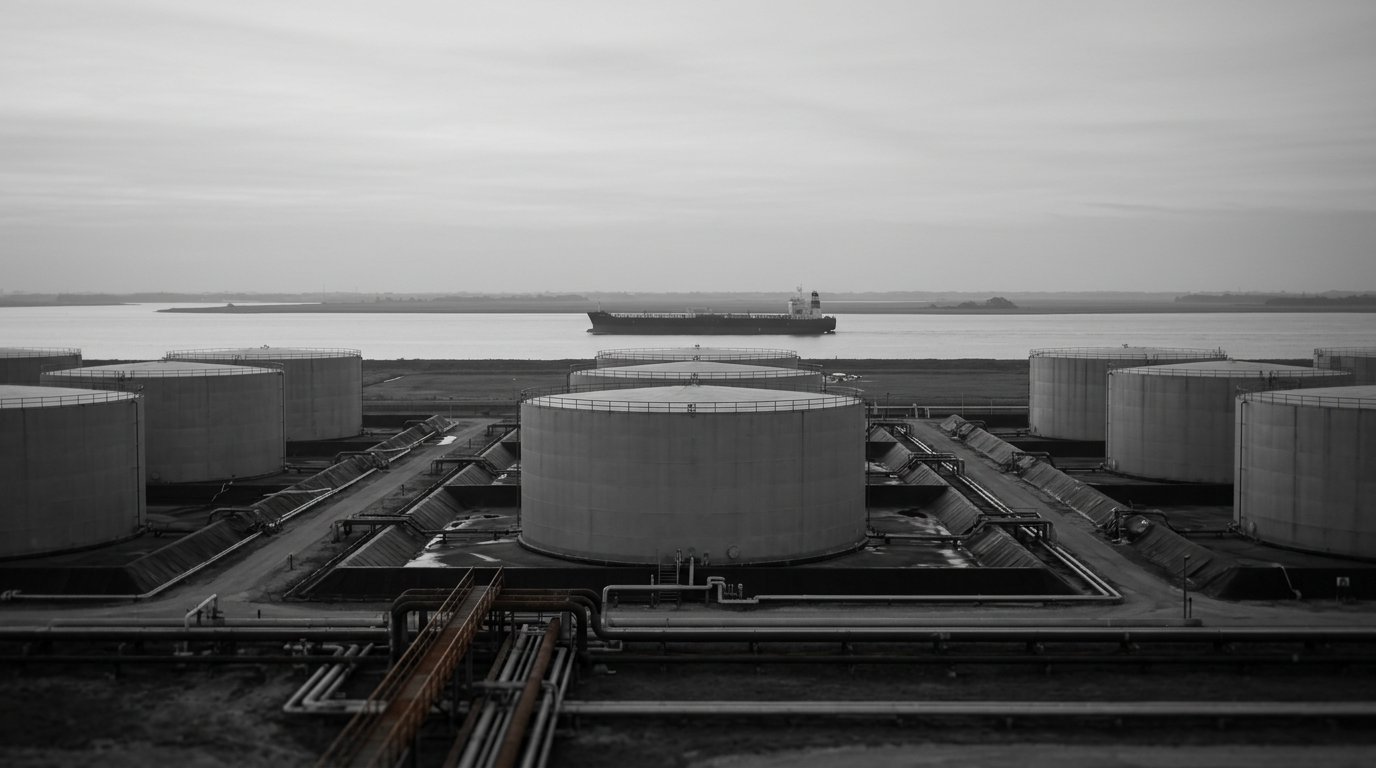
Energy markets reflected the heightened uncertainty. Brent crude futures moved above $100 per barrel, a level that can raise input costs for businesses and complicate logistics, with companies across sectors—from consumer goods to mining—facing higher expenses and potential supply chain disruption, according to the information provided.
Government officials also pointed to the economic drag from higher fuel prices and weaker confidence. New Zealand’s Finance Minister Nicola Willis said the country’s economic recovery has been delayed by increased fuel costs and softer sentiment.
In Europe, Germany’s economy ministry adjusted its outlook in response to the broader environment. It halved its 2026 growth forecast and raised inflation projections, citing the wider economic consequences associated with geopolitical instability.