Global Food Systems Face Extreme Heat Threat
Extreme heat threatens global food systems, FAO and WMO said Wednesday, citing crop losses, livestock stress, and risks to farm labor.
Atlas Newsdesk ·
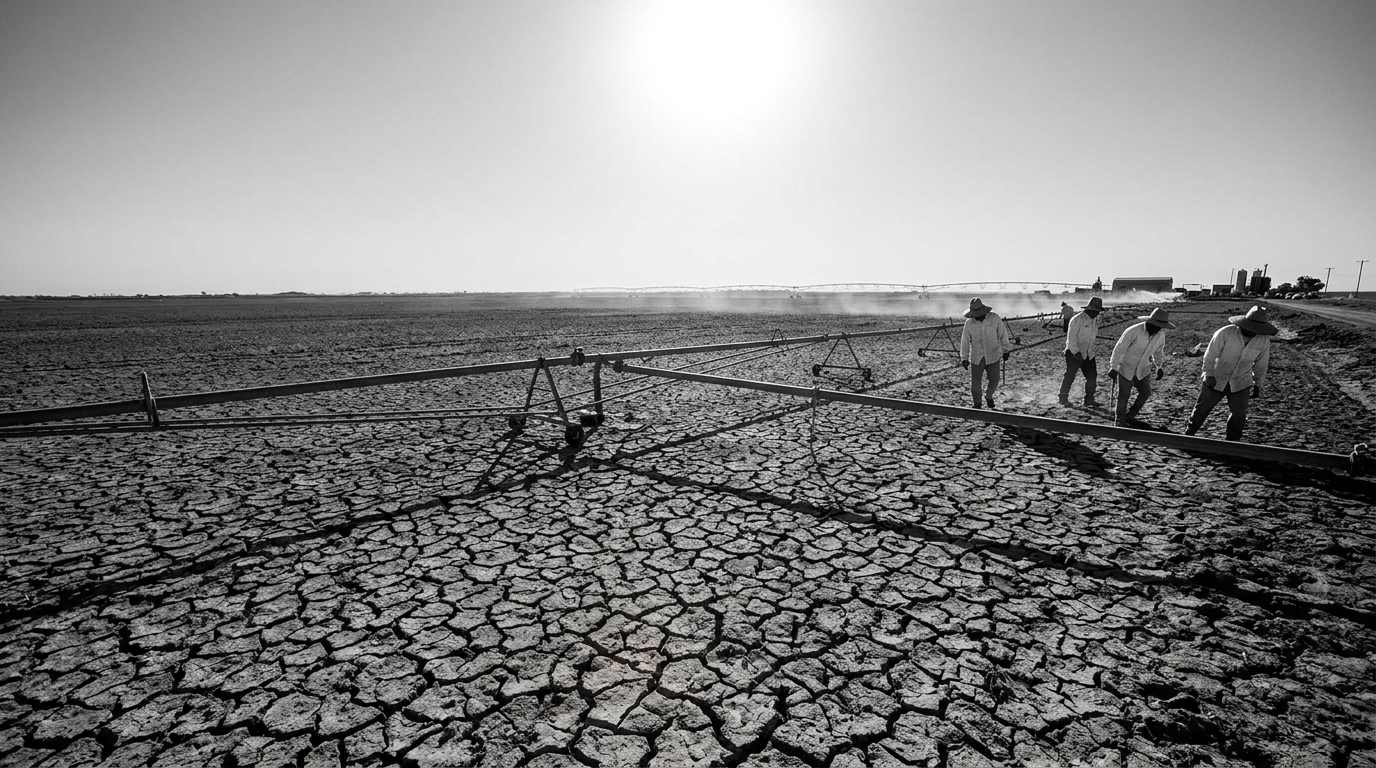
Global food systems are increasingly exposed to extreme heat , with rising temperatures already cutting agricultural output and putting livelihoods at risk, according to a report released Wednesday by the Food and Agriculture Organization (FAO) and the World Meteorological Organization (WMO).
The report says higher temperatures are driving lower crop yields and greater livestock losses, pushing food availability in some regions toward critical levels. It points to staples such as maize, where yields have already fallen by about 10% in certain areas, and says wheat has seen comparable declines. The FAO and WMO add that further reductions are projected if global temperatures rise beyond 1.5 degrees Celsius above pre-industrial levels.
Heat is also affecting animal agriculture, the report says, as livestock face heat stress that reduces productivity and raises mortality. It cites dairy cows, pigs, and chickens among the animals experiencing impacts, including lower milk output and higher death rates. The report notes that risks intensify as temperatures exceed 25 degrees Celsius.
Beyond direct production losses, the report highlights constraints on farm labor in places that are already hot. It says farmers in parts of India, sub-Saharan Africa, and Central and South America could be unable to work safely for as many as 250 days each year. The FAO and WMO describe this as a threat not only to harvest volumes but also to household income and the stability of rural communities that depend on agriculture.
Marine food sources are also under pressure, the report says, as ocean heatwaves reduce dissolved oxygen and harm sea life. It links these conditions to mass declines in fish populations, adding another channel through which extreme heat can affect food supply and livelihoods, particularly in communities that rely on fisheries for income and nutrition.
To reduce risks, the FAO and WMO recommend early warning systems that combine weather forecasts with mobile communications so farmers can anticipate extreme heat and take protective steps. The report frames these tools as practical measures to help producers respond to heat events, though it does not quantify how much such systems could offset losses.
It also leaves uncertainty around how quickly different regions can deploy these capabilities at scale and how uneven access to communications could shape outcomes.