Mideast Strife Drives Up China's Factory Bills
Middle East conflict is lifting shipping and oil costs, squeezing China’s textiles and EV exports as firms report fewer orders and disruptions.
Atlas Newsdesk ·
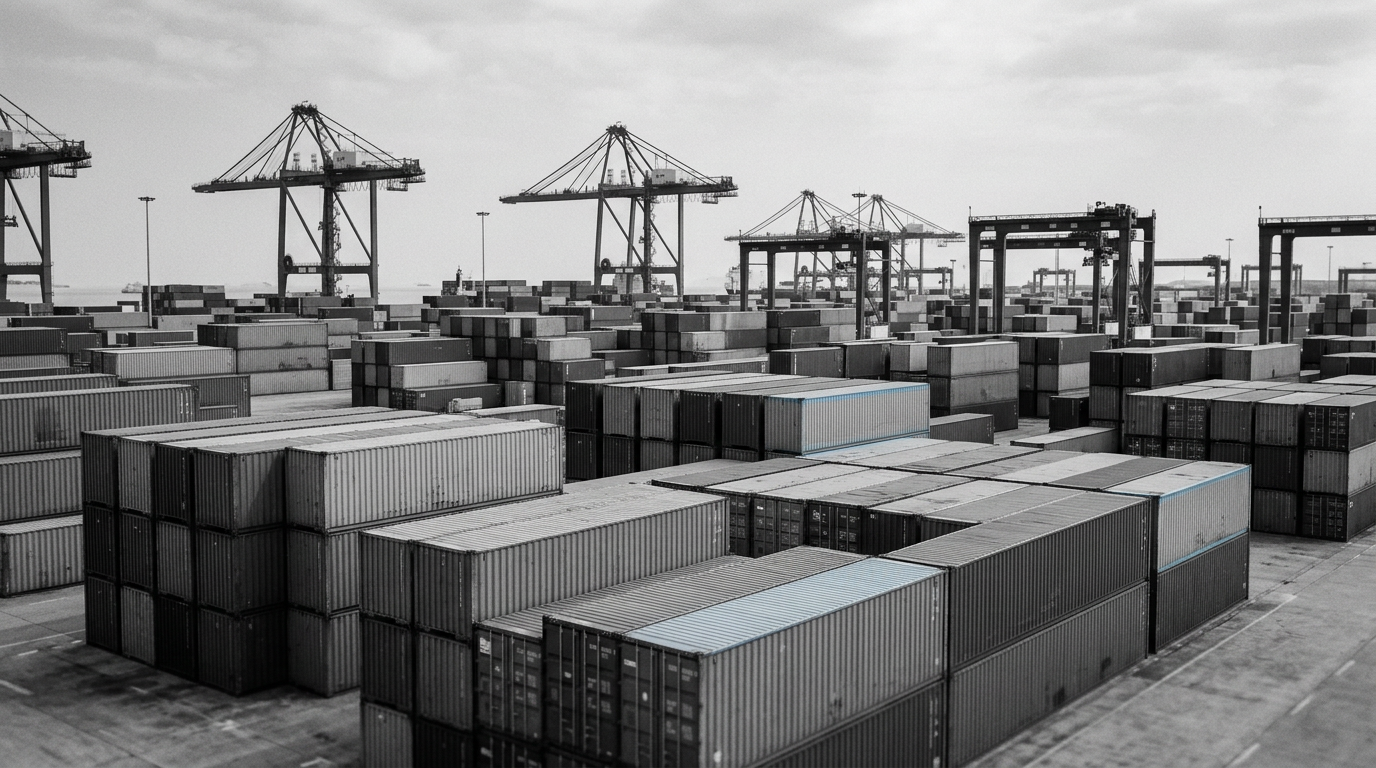
China’s manufacturing sector is facing fresh pressure from the ongoing conflict in the Middle East , with higher logistics and energy costs feeding into production and export challenges, according to traders and industry participants. The strain is showing up most clearly in industries tied to petrochemicals and long-distance shipping, including textiles and automotive supply chains.
Officials and market participants said the conflict has pushed up shipping costs and oil prices, raising input expenses for manufacturers that rely on petrochemical-based materials. Fabric production is among the most exposed because many textiles depend on oil-derived components. Traders in Guangzhou’s fabric market reported that costs have risen by 20%, a shift they said is contributing to fewer orders and growing inventories.
The disruption is also affecting exporters of electric vehicles. EV exporters had recorded a 140% year-on-year rise in March exports to 350,000 units, but shipments to the Middle East are now being disrupted, industry participants said. In response, exporters are looking for alternative demand in Africa and South America as they try to offset the impact of the current shipping and trade complications.
These developments come after a period in which China’s economy had largely absorbed the effects of U.S. tariffs while maintaining approximately 5% GDP growth. The latest shock underscores how external events can still transmit quickly into factory-level conditions through energy prices, freight rates, and order flows, even when domestic demand and policy settings have helped stabilize growth.
China has continued to highlight its advanced manufacturing capacity at major trade events such as the Canton Fair, where companies have emphasized automation and newer technologies. However, participants noted that even higher-tech products can be exposed to oil-linked cost increases, particularly when production depends on plastic components and other petrochemical inputs.
What remains uncertain is how long the current cost pressures and shipping disruptions will persist , and how quickly exporters can diversify sales to new markets. The situation also illustrates China’s sensitivity to global supply chain disruptions and energy price swings, despite the country’s domestic oil reserves and its advances in renewable energy.