Oil Prices Drop as Vital Shipping Lane Reopens
Oil prices fell and U.S. stocks hit record highs on April 17, 2026 after Iran reopened the Strait of Hormuz, easing supply fears.
Atlas Newsdesk ·
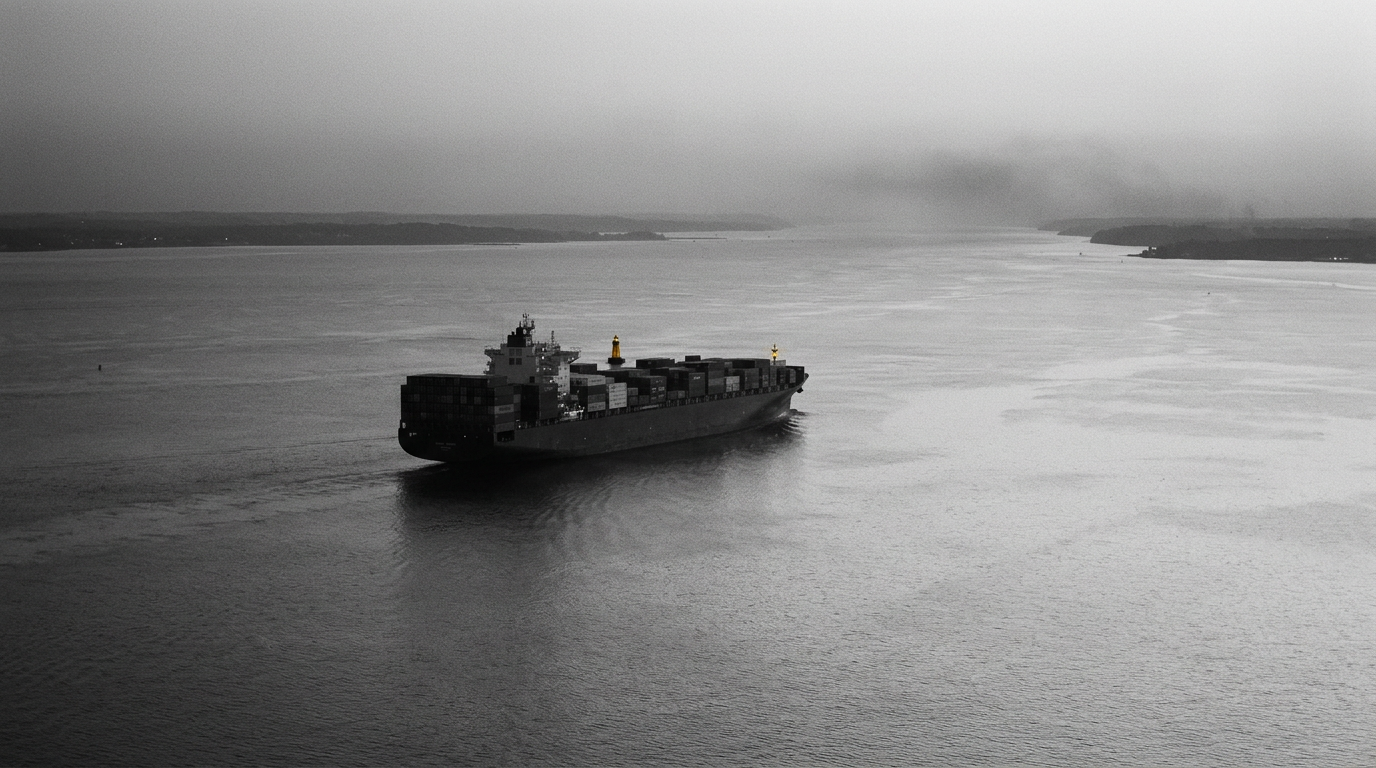
Oil prices fell and U.S. stocks climbed to record highs on April 17, 2026 , after Iran reopened the Strait of Hormuz, easing near-term fears of interruptions to global crude flows. The move reduced immediate concerns about supply disruptions that had recently contributed to market volatility.
The Strait of Hormuz is a critical maritime chokepoint for energy trade, described as a route for approximately one-fifth of the world’s oil supply. With the shipping lane reopened, crude futures moved lower as traders pared back the geopolitical risk premium that had been embedded in prices.
In oil markets, Brent crude futures declined 3.5% and settled at $87.20 per barrel . West Texas Intermediate (WTI) crude futures fell 4.1% to $82.95 per barrel . The declines followed the shift in expectations around the likelihood of near-term supply constraints tied to the status of the waterway.
Equity markets responded in the opposite direction. Major U.S. indices rallied, with investors reacting positively to the reopening and the reduced risk of disruption to global trade routes. The market move also reflected a view that the probability of a broader regional conflict had diminished, after those concerns had previously weighed on equities.
By the close, the Dow Jones Industrial Average was up 1.2%, the S&P 500 gained 1.5%, and the Nasdaq Composite advanced 1.8%. The combination of lower oil prices and rising equities underscored how closely energy markets and risk assets were tracking developments around the Strait of Hormuz.
What it means for markets and policy is that a single operational change in a key shipping corridor can quickly reprice both commodities and equities. The Strait’s role in global oil transport links the event to inflation-sensitive inputs, corporate cost expectations, and broader risk sentiment across international markets.
Risks and unknowns remain because the source material does not specify the conditions under which the Strait was reopened or how durable the change will be. Markets may continue to react to any further updates affecting the stability of the route and perceptions of regional security, given the Strait’s importance to global energy supply chains.