Psychedelics study finds shared brain “neural fingerprint”
Psychedelics study reports a shared brain “neural fingerprint” across five drugs, based on 500+ scans from 267 people in five countries.
Ayla Demirhan ·
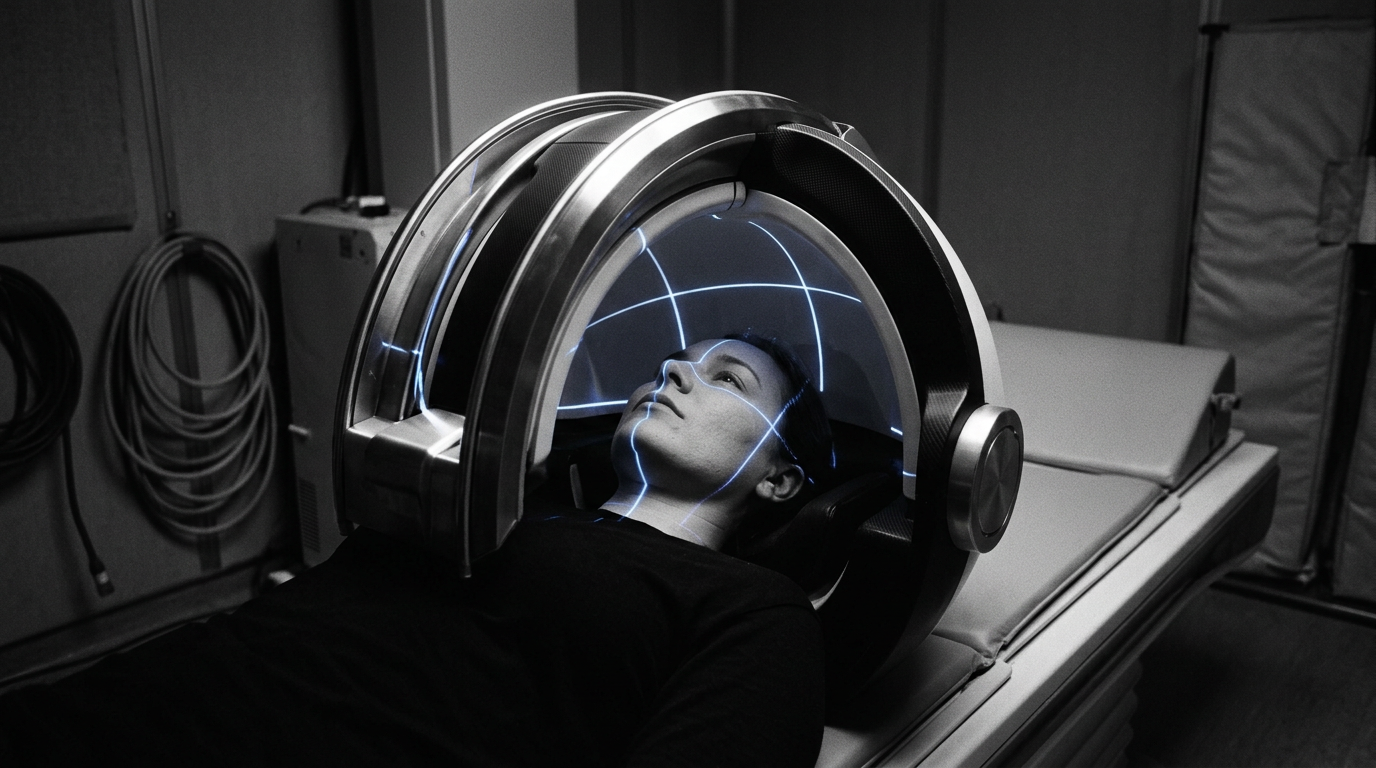
A new study has reported a shared brain “neural fingerprint” linked to several psychedelic drugs, describing a consistent pattern of altered communication across major brain systems. The research was published in Nature Medicine on April 6 and drew on brain imaging data collected in five countries . Researchers said the results help clarify how psychedelics temporarily change brain-wide activity in ways that align with commonly reported subjective experiences.
The team analyzed over 500 brain scans from 267 individuals, combining evidence from 11 separate brain imaging datasets. Across the pooled data, the study found that LSD, psilocybin, DMT, mescaline, and ayahuasca were associated with a similar shift in brain dynamics. According to the researchers, these substances reliably increased “cross-talk” between different brain systems, indicating more interaction across networks that are typically more segregated.
In describing the mechanism, the study reported that the five psychedelics tended to weaken the brain’s usual hierarchical organization. Researchers said this change was marked by stronger communication between higher-level cognitive networks and more basic sensory networks. The study linked this broad reconfiguration to the mind-altering effects often described by users, including changes in perception and the experience sometimes described as a dissolution of the self.
The authors framed the findings as a step toward a more durable scientific account of how psychedelics “rewire” the brain for a limited period. By identifying a common signature across multiple drugs and datasets, the study aimed to provide a clearer reference point for comparing results across experiments and locations. Researchers also positioned the work as foundational for a field that has been expanding as more groups test psychedelics under controlled conditions.
Interest in this area has grown alongside clinical trials examining whether psychedelics could have therapeutic applications for severe mental health and neurological conditions. The study specifically cited ongoing investigation into potential uses in depression, schizophrenia, and post-traumatic stress disorder . The researchers said that establishing consistent, measurable brain effects is important for building a stronger evidence base as the research landscape develops.
Even with a shared pattern identified, the study does not eliminate uncertainty about how these brain-wide changes translate into outcomes across different individuals or conditions. The researchers’ approach—pooling multiple datasets and drugs—highlights consistency, but it also underscores the complexity of mapping subjective experiences and clinical endpoints to specific network-level shifts.
The study’s stated goal was to strengthen the scientific footing for psychedelic research as it continues to expand across countries and clinical settings.