Trump Tariffs: One Year On, Global Trade Rerouted
Trump tariffs lifted the effective U.S. rate to about 10% and cut U.S.-China trade sharply over the past year, reshaping supply chains.
Atlas Newsdesk ·
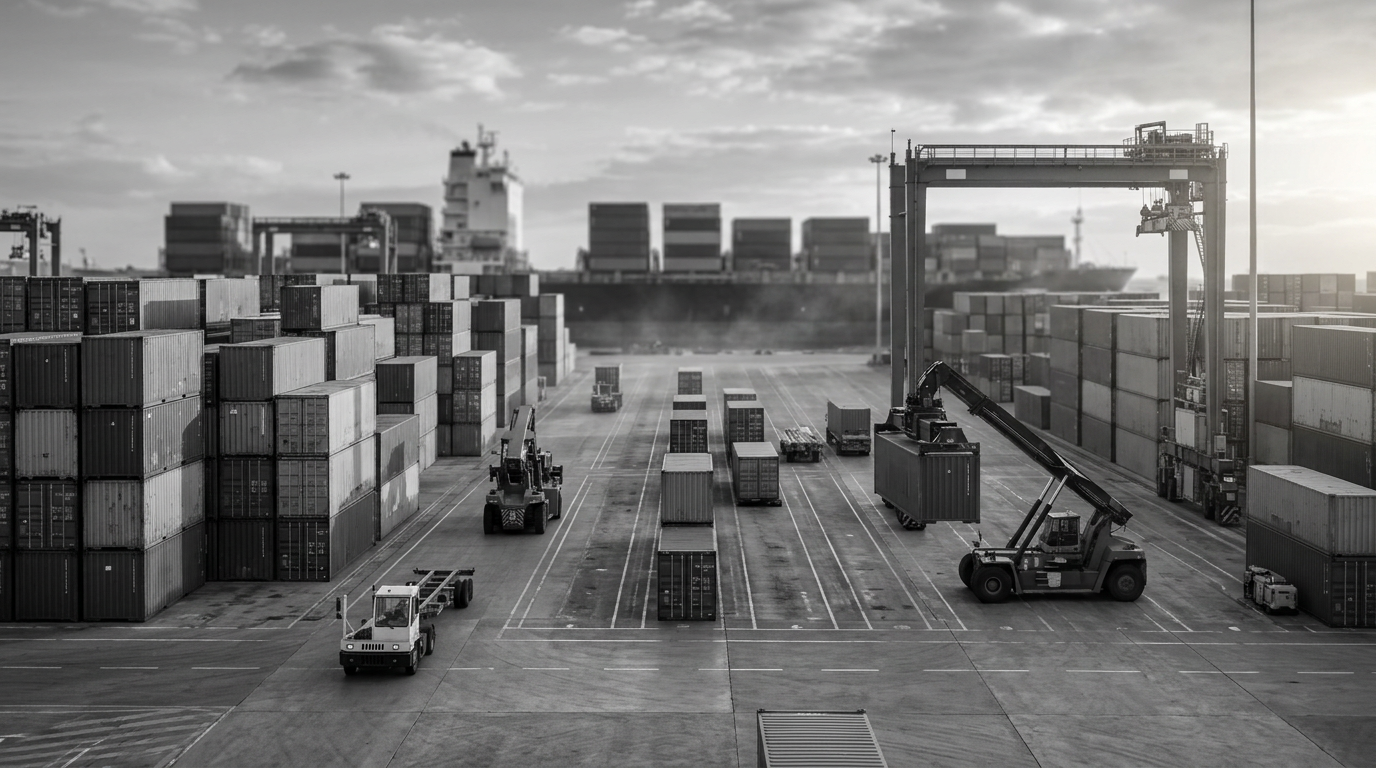
Former U.S. President Donald Trump’s tariffs have reshaped trade patterns one year after they took effect, according to the information provided. The measures lifted the average effective U.S. tariff rate to approximately 10%, up from 2.5% at the start of last year, changing the cost structure for cross-border commerce.
The most visible shift has been in U.S.-China trade. The value of U.S. imports from China fell by roughly 30% last year, while U.S. shipments to China declined by over 25% over the same period. By the end of last year, Chinese products accounted for less than 10% of total U.S. imports, a share not seen since 2000, underscoring a sharp reduction in direct reliance between the two economies.
At the same time, the data points to trade being redirected rather than disappearing. U.S. imports increased from countries including Vietnam and Mexico, where Chinese firms have invested, indicating that some production and assembly may be occurring outside China while still involving Chinese corporate footprints. The result described is a decisive decoupling in headline bilateral flows, alongside a broader reconfiguration of supply chains.
The effects have extended beyond the U.S.-China relationship. Other partners, including Canada and the UK, have sought alternative markets as trade incentives and frictions shifted. The source material describes global trade as remaining robust overall, but with meaningful “re-wiring” as companies and governments adjusted sourcing, routing, and market priorities in response to the new tariff environment.
One example cited is Canada reducing tariffs on Chinese-made electric vehicles, which is presented as a signal of movement away from U.S. market dominance. The broader picture is that unilateral tariff actions have not only altered trade flows but also complicated diplomacy, contributing to tensions with allies and affecting U.S. soft power as partners reassess their exposure to U.S. policy shifts.
What remains uncertain in the source material is how far these dynamics could spread through policy imitation and retaliation. It notes that the tariff approach may encourage other countries to adopt more protectionist policies, increasing the risk of wider countermeasures. For global markets, the described changes point to a trade system that is still active, but increasingly shaped by policy-driven rerouting and strategic diversification rather than purely cost-based optimization.