War Fuels Oil Boom: Profits Soar as Prices Hit $100
Oil profits are projected to rise by $234 billion by end-2026 as conflict-linked price gains push crude to $100 per barrel, analysis says.
Atlas Newsdesk ·
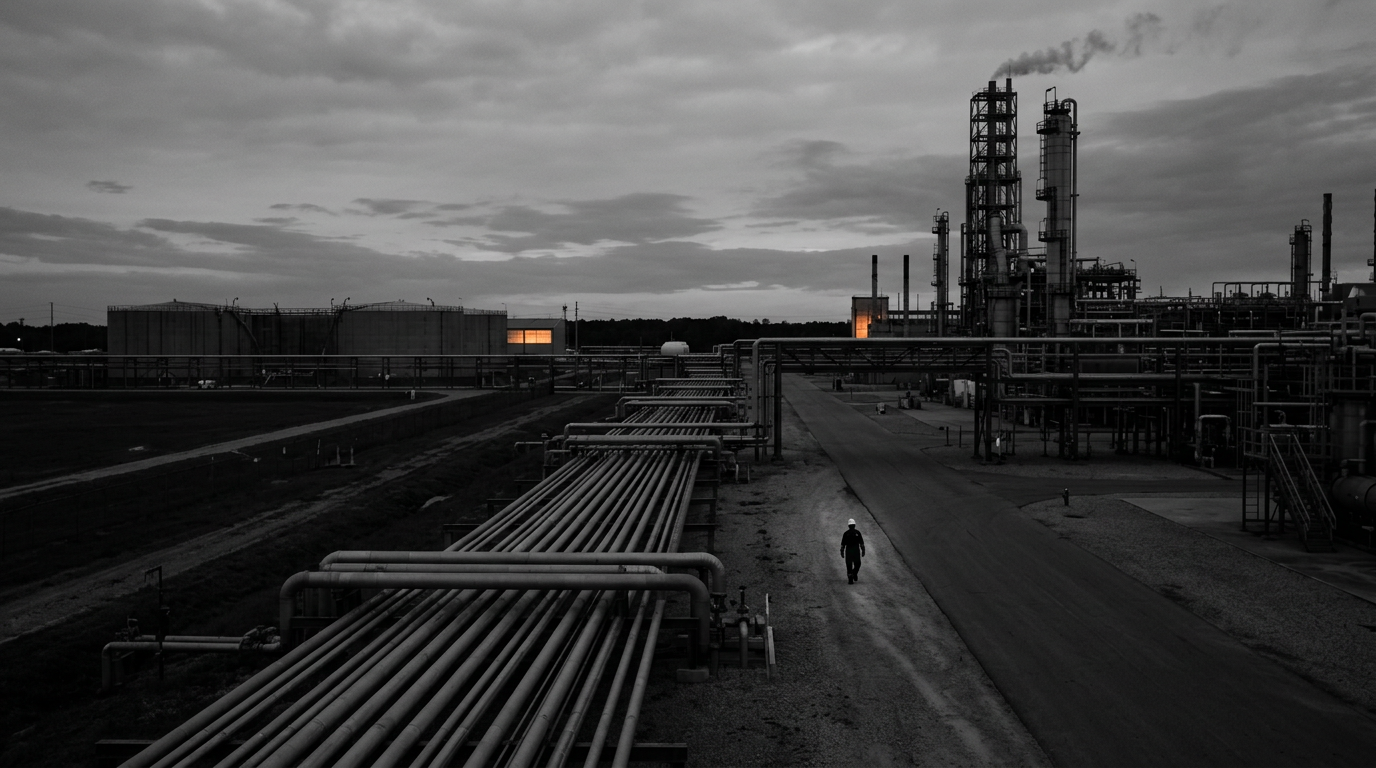
Major oil and gas companies are projected to collect an additional $234 billion in profits by the end of 2026 as oil prices rise following the U.S.-Israeli conflict in Iran, according to an analysis by Global Witness using data from Rystad Energy.
The analysis said the top 100 oil and gas firms generated more than $30 million per hour during the first month of the conflict, reflecting the speed at which higher crude prices can translate into stronger earnings across the sector.
Oil averaged $100 per barrel in March, the analysis found. That price level was linked to an estimated $23 billion in windfall profits for that month alone, underscoring how short periods of elevated prices can materially shift profit totals for large producers and exporters.
Among individual companies, Saudi Aramco was identified as the largest beneficiary. The analysis estimated Saudi Aramco could see $25.5 billion in additional profits for 2026 if oil prices remain at $100 per barrel.
Other companies highlighted as major beneficiaries were Kuwait Petroleum Corp with $12.1 billion, ExxonMobil with $11.0 billion, and Gazprom with $10.8 billion in additional profits for 2026 under the same $100-per-barrel assumption, according to the analysis.
The analysis also pointed to gains for Russian producers. It said three Russian companies—Gazprom, Rosneft, and Lukoil—are collectively expected to gain $23.9 billion in war-related profits by year-end.
In March, Russia’s oil export revenues were estimated at $840 million per day, a 50% increase from February, according to the analysis. The figures were presented as part of the broader picture of how higher prices can lift export receipts for major producing countries.
Global Witness said the higher profits are passed through to consumers via increased fuel and energy prices, affecting household budgets and raising operating costs for businesses. The analysis described these effects as a direct consequence of elevated oil prices feeding into end-user energy bills.
Several governments have moved to soften the impact on consumers. The analysis said Australia, South Africa, Italy, Brazil, and Zambia have reduced fuel taxes to ease the burden, a step that also lowers revenue available for public services.
In Europe, the European Commission is considering requests from finance ministers of Germany, Spain, Italy, Portugal, and Austria for a windfall tax on these profits. The proposal is framed as a way to fund consumer relief and help curb inflation, though the analysis did not specify a timeline or final policy design.