New Zealand Climate Report Projects Significant Economic and Infrastructure Risks
A government report warns that record greenhouse gas levels in New Zealand are driving extreme weather and glacial loss, threatening national infrastructure…
Atlas Newsdesk ·
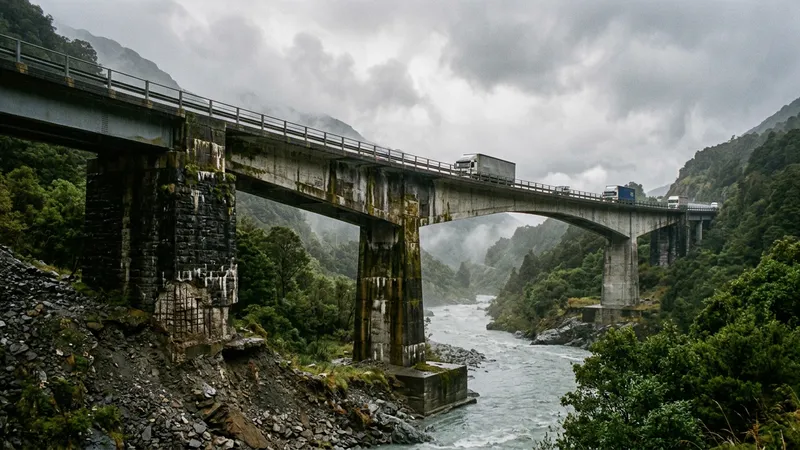
New Zealand faces heightened risks of infrastructure damage and economic disruption as greenhouse gas concentrations reach record levels. Official data indicates a 30% increase in carbon dioxide since 1972, with methane levels reaching historic highs in 2025. These shifts are driving a 1.36C rise in average annual temperatures since 1909.
Glacial volume has declined from 56 cubic kilometers in 1997 to 30 cubic kilometers in 2023. Projections suggest a potential loss of up to 100% of glacial volume by 2100 under high-emission scenarios, threatening water security and regional stability.
Increased frequency of heatwaves and extreme weather events, such as cyclones, pose direct threats to agricultural productivity and public health. Marine warming, occurring 34% faster than the global average, is impacting biodiversity and commercial fishing sectors. These environmental changes necessitate a reassessment of long-term infrastructure planning and disaster risk management strategies.