Australian High Court Halts Major Coal Mine Expansion Over Emissions
Australia's High Court has blocked the Mount Pleasant coal mine expansion due to Scope 3 emissions, setting a major national legal precedent.
Lauren Collins ·
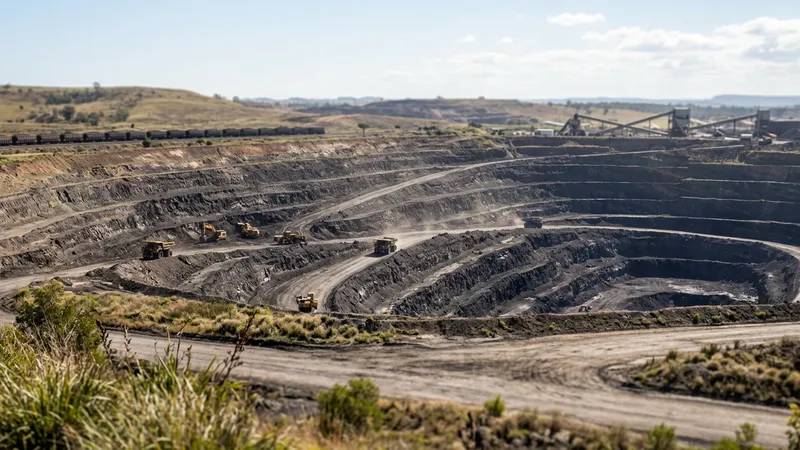
Australia's High Court ruled on October 7, 2026, that the approval for the Mount Pleasant coal mine expansion in New South Wales was invalid, citing insufficient assessment of greenhouse gas emissions. The 3-2 decision establishes a binding national precedent, compelling regulators to account for the environmental impact of exported fossil fuels.
This judgment effectively halts the planned expansion, which aimed to double the mine's annual production to 21 million tonnes by 2048, and concerns primarily Scope 3 emissions, which represent 98% of the project's anticipated output.
The ruling marks the first time the nation's highest court has considered climate-related grounds in such a case. Legal experts indicate this judgment will redefine regulatory obligations for future resource projects, mandating that decision-makers integrate long-term climate consequences into the statutory approval process.
Regulatory Shift for Resource Projects
The court's decision mandates a significant shift in environmental compliance requirements for resource projects. It now requires regulatory bodies to consider the full scope of emissions, including those generated when exported coal is burned overseas, during the project approval phase.
The mine's operator, MACH Energy, announced it would review the judgment to determine its effects on the future viability of the project and its broader environmental compliance. While the company stated that current modifications ensure short-term operational continuity, the ruling introduces considerable uncertainty for large-scale extraction projects.
Precedent for Climate Litigation
This decision represents a new benchmark for climate litigation, signaling a potential increase in legal risks for the extractive sector. Similar challenges may arise across Australia based on this precedent, extending the scope of responsibility for project approvals beyond direct operational impacts.
High Court
The court's specific emphasis on Scope 3 emissions suggests a broader interpretation of environmental responsibility. This includes the downstream environmental footprint of exported resources, impacting how future projects, particularly in the fossil fuel industry, will be assessed and approved.
The judgment's impact is expected to resonate across global macro policy discussions on climate accountability, company investment decisions in the extractive sector, and the wider energy industry's transition efforts.