

Netanyahu Downplays strains with Trump over Lebanon
Netanyahu downplayed a reported rift with Trump over Lebanon, emphasizing their strong past relationship and shared goals despite tactical disagreements.
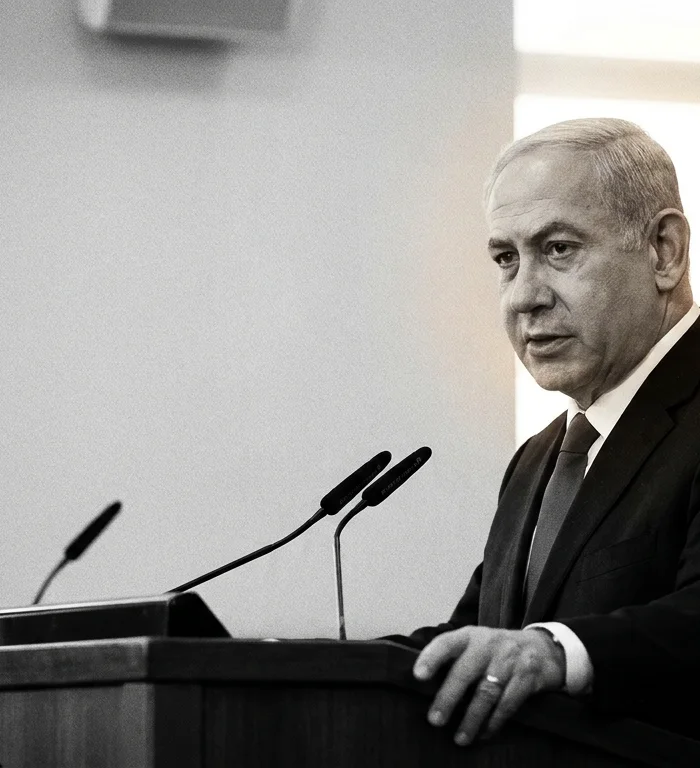
Israeli Prime Minister Benjamin Netanyahu on June 3, 2026, sought to play down reports of a rift with U.S. President Donald Trump after Trump said he berated Netanyahu over Israel’s escalation in Lebanon. Netanyahu said the two have maintained a strong relationship despite what he described as occasional “tactical disagreements.”
Trump told the New York Post that he called Netanyahu “fing crazy” during a recent phone call, describing himself as “a little bit perturbed” by the fighting with Lebanon. Trump said Israel’s actions risked disrupting U.S.-Iran talks, but also said he “works well” with Netanyahu and that he “likes Bibi a lot.”
Speaking publicly on June 3, Netanyahu described Trump as Israel’s greatest ally in the White House and said the two share common goals. He said they have been able to resolve differences quickly and continue to coordinate.
The dispute has unfolded as fighting in southern Lebanon has displaced hundreds of thousands of people and destroyed towns. Israel’s military had announced intentions to bomb Beirut, though the attacks were later held off, according to the source material.
Lebanon fighting and the stated goal of disarming Hezbollah
Netanyahu said he and Trump are aligned on Lebanon, citing the objective of disarming Hezbollah. He said he wants “peace” with Lebanon, but argued it would require Hezbollah’s disarmament.
Netanyahu also called for the demilitarization of Lebanon. In the source material, this was presented as a demand that would prevent the Lebanese Armed Forces from acquiring weapons viewed as a threat to Israel.
Diplomatic efforts and what comes next
According to the source material, Lebanese and Israeli officials have held several rounds of talks in the United States since April, but the negotiations have not produced a ceasefire or stopped the destruction of Lebanese towns.
Attention is likely to remain on whether the fighting eases and whether the talks yield a ceasefire, as well as how the dispute between the two leaders affects U.S. engagement on the Lebanon conflict and U.S.-Iran diplomacy.
More stories
- Eisenkot secures first coalition deal but lacks majority
- Germans oppose Ukraine aid as poll shows support slipping
- Kim Jong-un receives 10 envoys after constitutional shift
- Ukraine claims Libya strike sinks Russian naval corvette
- COP31 climate talks collapse over fossil fuels and funds
- Russian military faces 1,087 recorded suicides in Ukraine war
- Trump Executive Order Targets AI Model Reporting
- Trump: Iran Deal Draft Includes Clear Nuclear Restrictions
- U.S. Awaits Iran’s Reply on Hormuz Plan as Israel Hits Beirut
- Trump Administration Navigates Iran Tensions, Epstein Probe, and Cartel Strategy
Latest news
- Morocco targets 2030 World Cup final with new stadium bid
- Barclays puts AI bust risk at center of US growth debate
- US inflation reaches 3.8% before December Fed rate meeting
- Türkiye Desk: GTA 6 drains UK mobile spend as Turkish studios feel pressure
- Global stocks fall 0.4% as tariffs and US inflation loom
- CIA hack affects unclassified data; scope remains unclear
- Trump prepares tariffs on China and other major exporters
- New-car buyers pay record average $50,087 in October