

Netanyahu bloc falls short of majority in Israeli election
Prime Minister Benjamin Netanyahu’s bloc finished with 53 seats, eight shy of a parliamentary majority, triggering complex coalition talks.
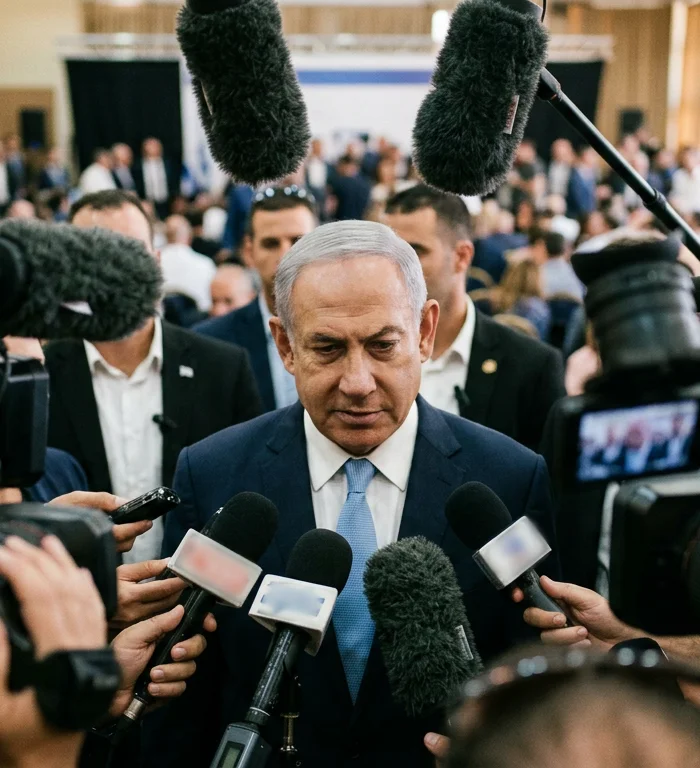
Prime Minister Benjamin Netanyahu secured a victory for his right-wing bloc in Tuesday’s national election, yet the coalition finished eight seats short of a 61-seat majority. Final results published Friday by Israel’s Central Elections Committee show the bloc holds 53 seats, compared with 48 for the opposition led by Gadi Eisenkot.
Fractured parliament dynamics
Israel’s political system frequently results in fragmented outcomes, necessitating the formation of multi-party governing coalitions to reach a functional majority. The current distribution leaves the path to power dependent on small, ideologically driven parties that hold the balance of power during negotiations. This structure often forces the leading candidate into significant compromises that can complicate internal policy implementation.
Historically, the inability to secure a clear mandate has led to repeated electoral cycles. The current outcome signals a return to intense parliamentary horse-trading as parties weigh whether to align with the incumbent or attempt to form an alternative governing platform under the opposition.
Regional diplomatic impact
Profound uncertainty surrounds the future of regional initiatives, including the normalization efforts associated with the Abraham Accords. Any move toward a narrow, right-wing government could alter the current stance on Palestinian policy, creating friction with regional partners who seek stability to maintain ongoing energy and security projects.
Broader regional coordination, specifically regarding security arrangements in the Levant, relies on a predictable Israeli executive branch. A prolonged period of political paralysis could limit the capacity for the government to engage in significant diplomatic shifts or sustain existing bilateral agreements with neighboring Gulf states.
Uncertainty in governance
If the official mandate process by the Israeli President fails to produce a stable coalition by November 30, the country faces the risk of returning to the polls for a fresh election. A failure to build a consensus would effectively freeze Israel's foreign and domestic policy trajectory, delaying decisions on critical security and economic regional alliances.
More stories
- Germans oppose Ukraine aid as poll shows support slipping
- Kim Jong-un receives 10 envoys after constitutional shift
- Ukraine claims Libya strike sinks Russian naval corvette
- COP31 climate talks collapse over fossil fuels and funds
- Russian military faces 1,087 recorded suicides in Ukraine war
- US faces China, Russia in Africa minerals contest
- CIR places 25 Sudan commanders at reported sexual-violence sites
- Brent heads for fourth monthly gain as Middle East risk persists
- Israel to close occupied West Bank crossings on election day
- Nigeria advocates put northern missing at 17,000
Latest news
- Trump prepares tariffs on China and other major exporters
- New-car buyers pay record average $50,087 in October
- Banks face ECB reserve debate over liquidity and profits
- Investors see Anthropic debut gains fade below $83 a share
- Iraq orders federal control over Kurdish-area oilfields
- Nvidia shares retreat as AI rally cools before PCE data
- Macy’s parade faces balloon limits as storm winds approach