How to find DC’s hidden Nathan Hale statue at the Justice Department
Discover the hidden Nathan Hale statue at the U.S. Department of Justice in Washington D.C. A unique Revolutionary War memorial off the beaten path.
Sophie McAlister ·
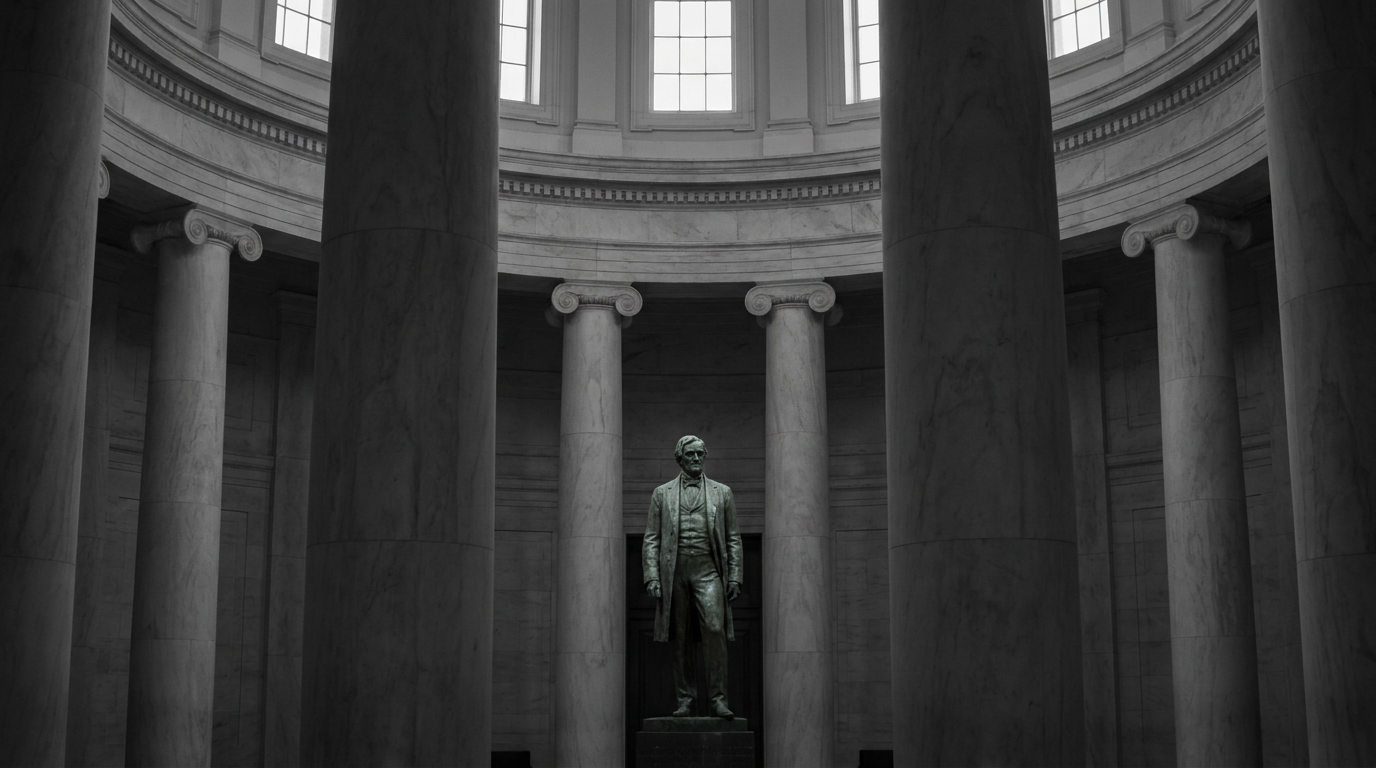
A lesser-known statue of Nathan Hale sits on the grounds of the U.S. Department of Justice headquarters in downtown Washington, D.C. The figure, described by local reporters as "hidden" or overlooked, is part of a short city-focused series that highlights smaller Revolutionary War monuments around the capital. Nathan Hale, who served as a spy for the Continental Army and was executed in 1776, is memorialized at the Justice Department site rather than among the city’s larger, better-known war memorials.
The sculpture is not one of the capital’s high-traffic attractions; it occupies a quieter corner of the DOJ complex and receives far fewer visitors than monuments on the National Mall. Its relative obscurity reflects the broader pattern of Washington’s layered historic landscape, where many memorials and plaques are tucked into federal building plazas, courtyards and side streets rather than on the main tourist routes.
Where to find it
The statue stands on the grounds of the Justice Department headquarters in downtown Washington. Visitors walking the federal campus or passing the building on foot can spot the memorial without detouring to the Mall, though it is not prominently marked among the city’s primary tourist stops. The statue’s placement means many daily commuters and Justice Department staff are more likely to see it than casual tourists.
Local reporting that documented the piece frames it as part of a set of lesser-known Revolutionary-era markers scattered through neighborhoods and federal sites across the District. That reporting aims to pull attention toward small, often missed monuments that illuminate different corners of the city’s historical memory.
Why Nathan Hale still resonates
Nathan Hale, a schoolteacher turned Continental Army spy, was captured by British forces and executed in 1776. He has long been remembered in American civic culture for words attributed to him shortly before his death, and his image appears in several memorials across the country. The Justice Department statue is one of those reminders — modest and tucked away, but part of the urban record marking Revolutionary War history in the federal city.
The presence of the Hale memorial at a federal agency also underscores how history and government spaces intersect in Washington. Federal campuses routinely host public art and memorials that reflect national narratives, but many of those works sit off the beaten path and require intentional seeking to appreciate.
For locals and visitors who prefer exploring neighborhood corners rather than the Mall, the Hale statue offers a quick historical stop in the heart of downtown. The story around the statue fits into a larger effort by local reporters and historians to widen the frame on the city’s commemorative landscape.
Keep an eye on other installments in the ongoing local series that profile forgotten or hidden Revolutionary War markers around the District. Those pieces may guide walkers and history-minded residents to more quiet corners of the city’s public history.