Gardens as Gallery: How Four DC Institutions Are Growing Art Into the City
Four DC museums feature garden & plant themes in current exhibitions, expanding how audiences encounter sculpture, painting & site-specific installations.
Sophie McAlister ·
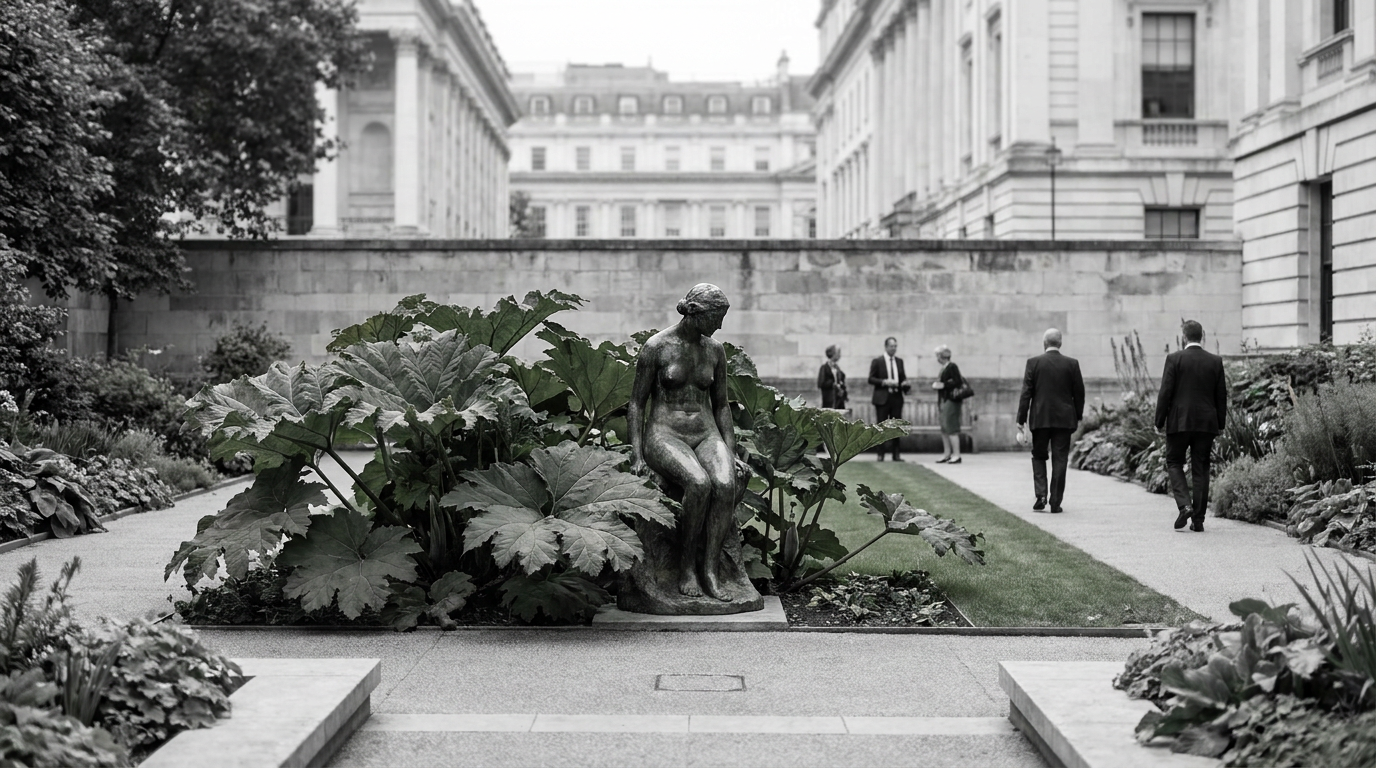
This spring, four Washington museums and galleries are staging shows and displays that place garden motifs and plant life at the center of contemporary and modern art presentations. The Phillips Collection in Dupont Circle, The Kreeger Museum in northwest Washington, The Underground gallery, and Calder Gardens are all running exhibitions or site-specific installations that use botanical subject matter to reframe sculpture, painting, and gallery environments, according to a May 13 feature in a local arts publication.
At each venue, curators use plants, landscape references, and garden histories to bridge fine art with horticultural spectacle. Some shows pair historical works with newer installations, while others transform public-facing spaces to invite passersby into an outdoor-orchestrated viewing experience. Programming ranges from gallery talks and walks to small-scale collaborations with local gardeners and designers.
How gardens reshape museum narratives
Museums in the city are employing garden themes to make familiar collections feel timely. At one institution, galleries that typically emphasize modernist line and form are juxtaposed with botanical prints or sculptural works that echo natural growth. Elsewhere, outdoor sculptures are sited within planted courtyards to highlight seasonal change as part of the exhibit narrative. Curators describe the approach as a way to link art history with civic space and to broaden visitor engagement beyond traditional gallery formats.
Institutional programming is also leaning on the tactile and sensory elements of gardens. Workshops, artist talks, and guided strolls allow visitors to experience artworks alongside living plants, while some installations employ plant material as a direct medium. Several venues have scheduled neighborhood-facing events to activate public plazas and sidewalks, inviting community members who might not normally enter museum spaces.
Neighborhoods and the local art circuit
The shows are spread across multiple Washington neighborhoods, reinforcing the city’s decentralized cultural ecosystem. Dupont Circle’s museum draws a steady stream of residents and tourists, while northwest locations attract nearby neighborhoods and university communities. Smaller spaces, including The Underground, are positioning themselves as experimental sites where emerging artists can test site-specific concepts that play with horticulture and scale.
Local galleries and museums say the garden motif also responds to broader audience interests in sustainability, urban green space, and outdoor programming. By integrating plant-focused aesthetics, institutions aim to reach audiences who prioritize environmental themes and to create programming that can shift with the seasons.
Ticketing approaches vary: some institutions incorporate garden-related exhibits into general admission, while others offer special events or limited-run installations that require separate tickets or reservations. Curators emphasize that careful conservation planning is essential where plant materials are used near delicate works.
As the city moves into summer, galleries are planning to keep garden-focused programming visible through patios, courtyards, and window displays. Several institutions are sequencing events to coincide with neighborhood festivals and public art trails to maximize cross-venue attendance.
Readers should watch institutional calendars for rotating programs, artist talks, and outdoor activations that will likely continue through the summer season.