How to Use the District’s Official Events Calendar to Track City life
The District maintains an official events calendar that lists public meetings, agency programs and community gatherings across neighborhoods. Residents can…
Sophie McAlister ·
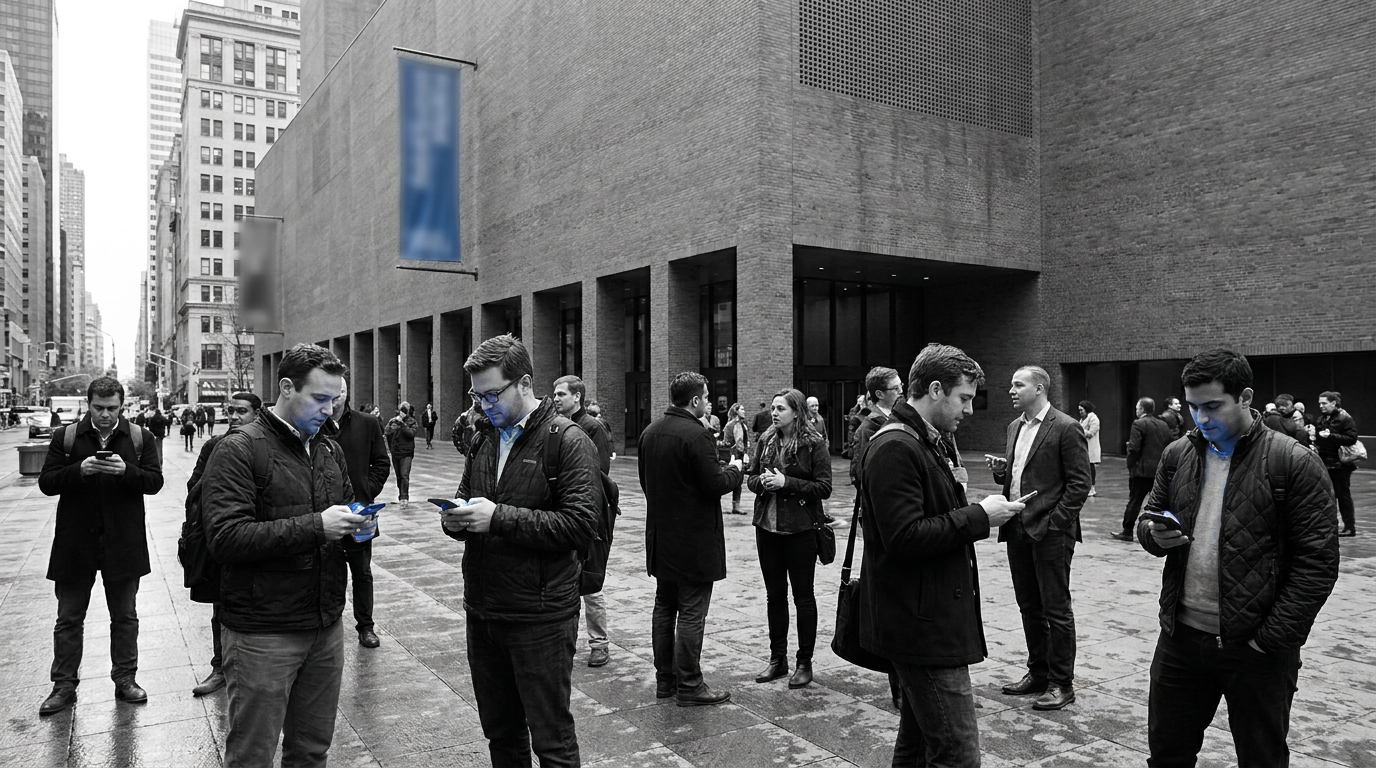
The District of Columbia maintains an official events calendar on its website that aggregates upcoming public meetings, agency programs and community gatherings across the city. The calendar serves as a central listing for events run or hosted by the District government and its offices, and it is available to residents and visitors year‑round.
The calendar is designed to help people find scheduled public hearings, neighborhood outreach sessions, community workshops, cultural events and other activities operated by city agencies and offices. Listings typically include dates, times and basic location information and point to the hosting office or agency responsible for the event. For many residents, the page is the quickest way to spot official opportunities to engage with municipal services and local decision‑making.
How residents and organizers use the city calendar
For residents, the calendar is a practical tool to track the civic schedule: public hearings, advisory commission meetings and service‑oriented programs often appear there first. Community groups and local organizers also reference the official listing when coordinating with city agencies or publicizing joint events. The calendar helps concentrate city-run programming in a single place so that residents do not need to search multiple agency pages to find government‑sponsored activities.
Agency staff use the listing to publish notices and to direct residents to fuller agenda materials or registration pages when required. Although the calendar itself provides summary details, most entries link to the specific office or event registration where participants can learn rules for attendance, submit comments or sign up for updates.
Practical tips for navigating official listings
City residents who rely on the calendar should check entries for any additional instructions, such as registration links or requirements for in‑person attendance. Because agencies maintain their own event notices, listings may include contact information for follow‑up questions and can point users to supplementary materials like agendas or event FAQs hosted on agency pages. For routine civic engagement—budget hearings, advisory meetings and community planning sessions—the calendar is often the first public notice.
Neighborhoods across the city—from Capitol Hill to Anacostia, U Street to Navy Yard—regularly appear in the calendar’s entries, reflecting a mix of local and citywide programming. For residents tracking issues in a particular ward or advisory neighborhood commission, checking the calendar alongside agency websites and neighborhood commission pages provides a fuller view of opportunities to participate.
Users who want alerts or deeper event details should follow the hosting agency directly or use the contact provided on each listing. Because the calendar is a centralized index, it complements agency newsletters and neighborhood channels rather than replacing them.
Looking ahead, watch for seasonal shifts as agencies roll out summer programs, public‑meeting cycles or budget‑related hearings—those windows often generate higher volumes of official events and public notices. Residents who want to influence local decisions should monitor the calendar ahead of key public comment periods.