

Myanmar faces ICJ ruling in Rohingya genocide case
The case filed by Gambia in 2019 places the Rohingya crisis before the UN’s top court after years of displacement and denial.
The International Court of Justice will rule on Nov. 19 in a case accusing Myanmar of genocide against the Rohingya, a Reuters timeline published by The Straits Times said.
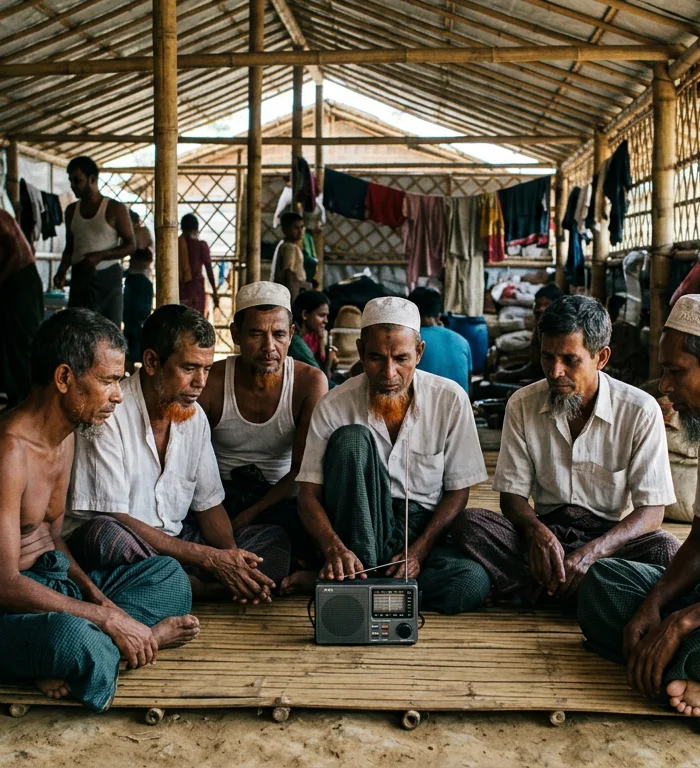
More than one million Rohingya refugees who fled Myanmar currently live in Bangladesh, mostly in Cox’s Bazar, according to the UN, keeping the crisis central to regional diplomacy and humanitarian policy.
The case was filed on Nov. 11, 2019, by Gambia, a predominantly Muslim country, which accused Myanmar of atrocities against the Rohingya. The Rohingya are a mostly Muslim minority in Buddhist-majority Myanmar.
The legal case followed a military operation in Rakhine State that began after the Arakan Rohingya Salvation Army, described in the timeline as a Muslim militia, attacked 30 police posts and a military base on Aug. 25, 2017.
Thousands of Rohingya crossed into Bangladesh from Aug. 26, 2017, as fighting between Myanmar’s military and ARSA intensified. On Sept. 11, 2017, the UN human rights high commissioner called the military operation “a textbook example of ethnic cleansing”.
Myanmar’s government said more than 2,600 houses were razed in Rohingya-majority areas in the week after the Aug. 25 attack. Medecins Sans Frontières later published survey results from refugee camps in Bangladesh that said at least 6,700 Rohingya were killed between Aug. 25 and Sept. 24, 2017, including at least 730 children below five years old.
Myanmar has rejected the genocide allegations. Aung San Suu Kyi appeared before the court in The Hague on Dec. 11, 2019, and described the allegations as “incomplete and misleading”.
The military admitted on Jan. 10, 2018, that soldiers killed 10 detained Rohingya at Inn Din village. Seven soldiers were sentenced in April 2018 and released early in May 2019, according to the timeline.
The ICJ ordered Myanmar on Jan. 23, 2020, to take urgent measures to protect Rohingya still in the country. On July 22, 2022, the court rejected Myanmar’s objections and ruled that it had jurisdiction under the Genocide Convention and that Gambia’s application was admissible.
Myanmar’s political context changed on Feb. 1, 2021, when the military staged a coup, arrested Aung San Suu Kyi and overthrew the elected government, triggering nationwide conflict.
Public hearings on the merits began on Jan. 12, 2026, when Gambia told judges that Myanmar targeted the Rohingya for destruction and made their lives a nightmare. Myanmar told the court on Jan. 16 that Gambia had not proven its case, after its foreign ministry called the allegations “flawed and unfounded in fact and law”.
The ICJ announced on Nov. 3, 2026, that it would deliver its judgment on Nov. 19.
Source: Reuters timeline published by The Straits Times, Nov. 19, 2026
More stories
- Germans oppose Ukraine aid as poll shows support slipping
- Kim Jong-un receives 10 envoys after constitutional shift
- Ukraine claims Libya strike sinks Russian naval corvette
- COP31 climate talks collapse over fossil fuels and funds
- Russian military faces 1,087 recorded suicides in Ukraine war
- US faces China, Russia in Africa minerals contest
- Trump attends APEC ahead of planned Xi and Putin meeting
- Riyadh weighs Yemen battlefield gains against war costs
- Bulgaria vote gives Yotova victory in preliminary count
- Iran crisis prompts UAE call for a diplomatic resolution
Latest news
- Trump prepares tariffs on China and other major exporters
- New-car buyers pay record average $50,087 in October
- Banks face ECB reserve debate over liquidity and profits
- Investors see Anthropic debut gains fade below $83 a share
- Iraq orders federal control over Kurdish-area oilfields
- Nvidia shares retreat as AI rally cools before PCE data
- Macy’s parade faces balloon limits as storm winds approach