

Moldova Integrates With European Power Grid to Eliminate Russian Energy Dependence
Moldova has launched a new high-voltage power line to Romania, securing direct access to the European energy grid and ending its historical dependence on…
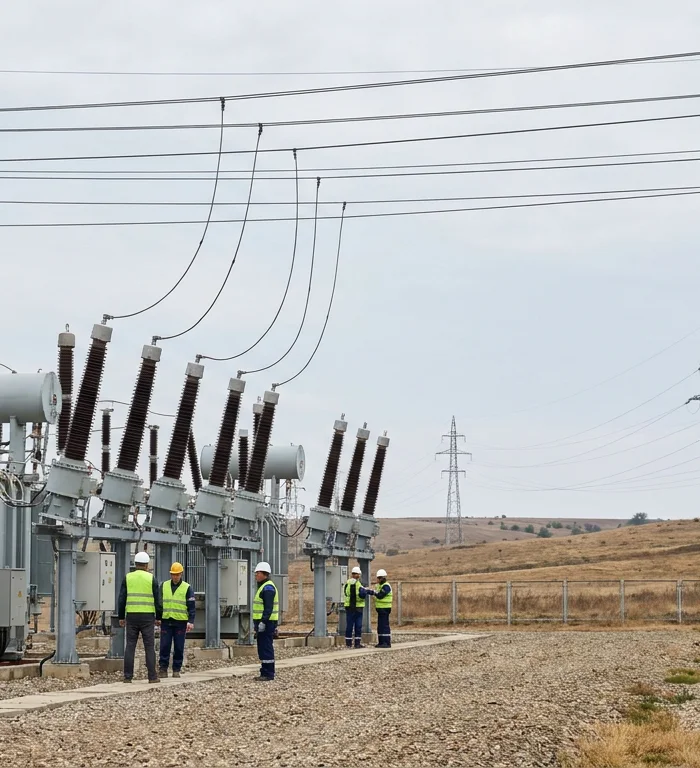
Moldova has officially inaugurated a 400-kilowatt high-voltage transmission line connecting the Vulcanesti region to the capital, Chisinau, and the Romanian power grid. This infrastructure project is designed to decouple the Moldovan energy sector from the Cuciurgan thermal power plant located in the pro-Moscow separatist region of Transnistria. The integration allows Moldova to access the European energy market, effectively ending its historical reliance on Russian gas and electricity supplies.
Government officials stated that the project is a critical component of national security, intended to mitigate the risk of energy-based political coercion. For decades, the country has been vulnerable to supply disruptions originating from Russian-controlled pipelines and regional power plants. By establishing this direct link to Romania, Moldova gains the ability to procure electricity from competitive European markets, reducing its exposure to price volatility and supply-side leverage exerted by Moscow.
These efforts are part of a broader strategy
This development follows a period of significant energy instability, characterized by domestic gas shortages and the implementation of state-of-emergency measures to manage supply. The current administration has confirmed that two additional high-voltage lines connecting to Romania are currently in development to further stabilize grid. These efforts are part of a broader strategy to align Moldova’s critical infrastructure with European Union standards.
The shift in energy policy coincides with heightened regional tensions in the Black Sea. Recent security incidents, including drone strikes on commercial shipping and alleged provocations near the Romanian coast, have prompted calls for increased NATO surveillance and defensive capabilities in the region. The transition to European energy sources is viewed by policymakers as a necessary step to insulate the country from the ongoing geopolitical conflict in neighboring Ukraine and the resulting regional security threats.
More stories
- Germans oppose Ukraine aid as poll shows support slipping
- Kim Jong-un receives 10 envoys after constitutional shift
- Ukraine claims Libya strike sinks Russian naval corvette
- COP31 climate talks collapse over fossil fuels and funds
- Russian military faces 1,087 recorded suicides in Ukraine war
- US faces China, Russia in Africa minerals contest
- Saudi officials report Aramco tower damage after attack
- Saudi officials report Aramco tower damage after attack
- Southern Africa faces 2027 El Niño poverty squeeze, Sihlobo says
- Armed men kill at least 48 civilians in Oromia, residents say
Latest news
- Trump prepares tariffs on China and other major exporters
- New-car buyers pay record average $50,087 in October
- Banks face ECB reserve debate over liquidity and profits
- Investors see Anthropic debut gains fade below $83 a share
- Iraq orders federal control over Kurdish-area oilfields
- Nvidia shares retreat as AI rally cools before PCE data
- Macy’s parade faces balloon limits as storm winds approach