

MicroZig bars LLM-generated code and prose
The Zig embedded project says the rule covers GitHub and Discord, including editing, translation, brainstorming and bug-finding with LLMs.
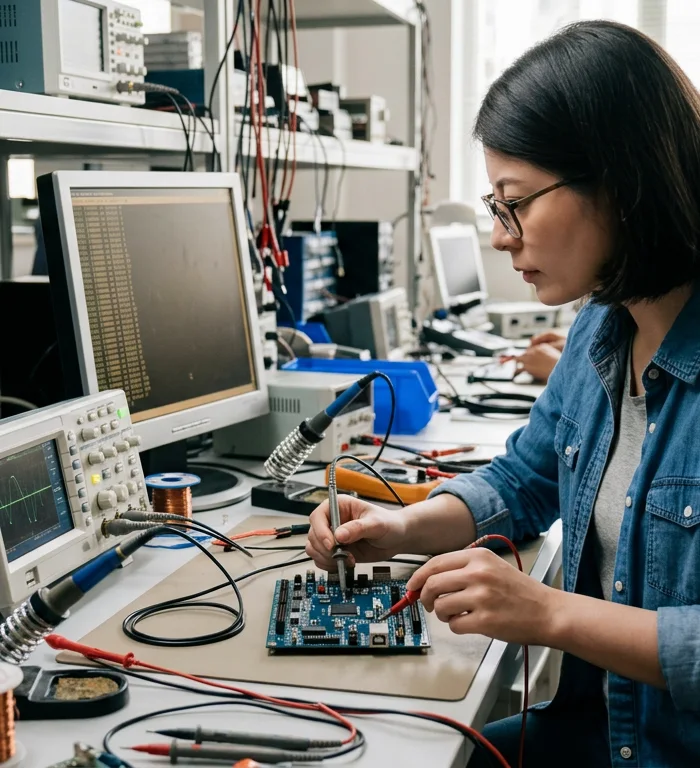
MicroZig barred LLM-generated code and prose across the Zig Embedded Group GitHub organization and Discord server under an 88-line code-of-conduct file updated on GitHub on Oct. 29.
The policy took effect Oct. 28 and drew 12 points and 12 comments on Hacker News after being posted there on Oct. 29, a small public signal for an open-source governance change.
The GitHub file says the code of conduct is “largely taken from Zig's Code of Conduct” and applies to spaces used for MicroZig and Zig Embedded Group project work. It describes those venues as reserved for focused technical collaboration.
The AI section is written as a blanket restriction. “No LLM-generated content, whether it be code or prose,” the file says. LLM means large language model, software that generates text or code from prompts.
The policy also says contributors may not paraphrase LLM output, use LLMs for spelling or grammar edits, translate with LLMs, use them for brainstorming comments, use them to find bugs, or discuss chatbot and LLM services in those project spaces.
Open-source projects rely on maintainer rules to manage contributions, reviews and community channels. This rule is unusually explicit because it reaches beyond submitted code into prose, comments, editing and process discussions.
The file does not say how maintainers will determine whether content involved an LLM. Its enforcement section names Matthew Knight and Felix Queißner as contacts and says participants may be removed for antagonistic or destructive behavior.
Source: GitHub code-of-conduct file, Zig Embedded Group/MicroZig, Oct. 29, 2026; Hacker News front-page listing, Oct. 29, 2026.
More stories
- Europe faces attribution gap after 16 cyber, physical incidents
- PIF backs Grand Theft Auto as Saudi players embrace game
- Signal limits screenshots to curb AI access to messages
- Cognition runs Devin Mac workspaces on EC2 in 6 AWS regions
- Salesforce engineers cut 600-failure triage to 90 minutes
- Türkiye Desk: GTA 6 puts console access and network demand in focus
- Most GPU jobs use under 20% memory in 319-GPU cluster
- 614 ICE Watch plans 250 volunteers near Columbus polls
- Blue Origin valuation pitch tests investor space appetite
- AI talent race pulls Nobel chemist toward Tsinghua labs
Latest news
- Trump prepares tariffs on China and other major exporters
- New-car buyers pay record average $50,087 in October
- Banks face ECB reserve debate over liquidity and profits
- Investors see Anthropic debut gains fade below $83 a share
- Iraq orders federal control over Kurdish-area oilfields
- Germans oppose Ukraine aid as poll shows support slipping
- Kim Jong-un receives 10 envoys after constitutional shift
- Ukraine claims Libya strike sinks Russian naval corvette