AI talent race pulls Nobel chemist toward Tsinghua labs
AI talent competition is pulling leading US scientists toward Chinese universities as Beijing weighs tighter controls on overseas research publishing.
Jason Kwon ·
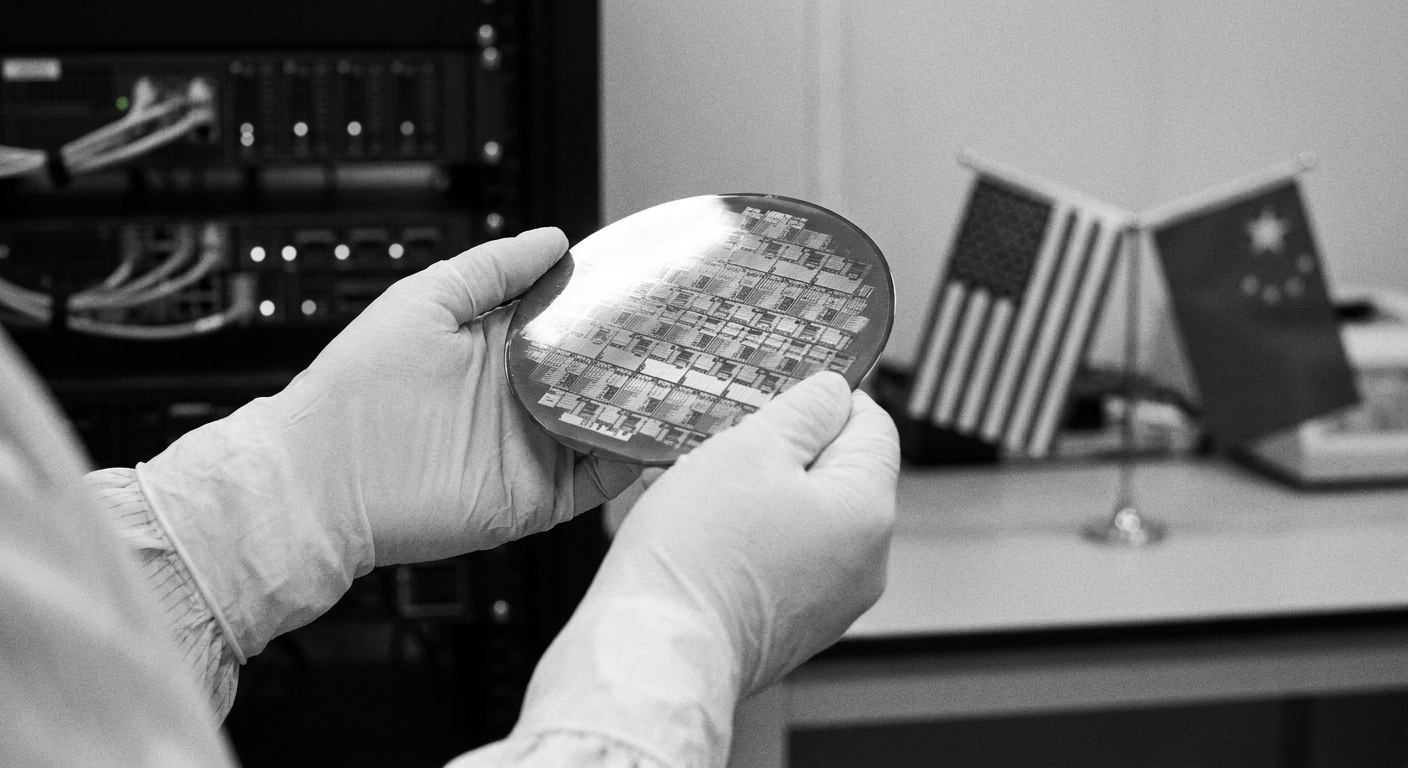
AI talent competition is drawing top US scientists to Chinese campuses as Beijing weighs tighter control over research outputs.
Two prominent US scientists are expected to move to Chinese universities this year, according to the source text, adding a high-profile academic front to the contest over artificial intelligence. One of them is Omar Yaghi, identified in the source as last year’s Nobel Prize for Chemistry winner, who is leaving Berkeley for Tsinghua University to run a new AI research center.
Tsinghua lands Yaghi
The move gives Tsinghua a globally recognized scientist at a moment when universities are becoming strategic assets in the AI race. The source did not name the second US scientist, so the verified public detail centers on Yaghi’s shift from Berkeley to one of China’s most prominent universities.
Yaghi’s appointment matters because AI research increasingly sits across disciplines rather than inside computer science alone. A chemistry Nobel recipient leading an AI center signals that Chinese institutions want scientific depth, not only software engineering, as they build research capacity.
The recruitment also reflects a broader pattern: talent flows are now part of national technology strategy. For China, attracting established researchers can help strengthen labs, mentor younger scientists and raise the visibility of domestic universities in fields linked to industrial policy.
Journals become a pressure point
Beijing is also examining ways to discourage Chinese researchers from publishing in foreign journals, the source said. The stated concern is that overseas publication may expose technological innovations before China can protect or apply them.
That tension cuts to the core of modern science. International journals give researchers recognition, peer review and access to global networks, but they also move technical findings across borders quickly and permanently.
China has long projected confidence about technology-led development, yet the source describes a sharper anxiety around AI. Workers worry about AI-driven job losses, while students and professionals face pressure to keep up with fast-moving tools and research cycles.
The source also cited 72-hour workweeks among some technology employees as a sign of that pressure. That figure should be read as a reported workplace pattern, not a verified national average, because the source did not provide a data table or official labor measure.
AI anxiety meets state ambition
AI occupies a central place in Xi Jinping’s stated ambition to remake China into a "rich and powerful" nation, according to the source. That makes the technology more than a commercial priority: it is tied to national strength, industrial upgrading and competition with the United States.
The same priority creates policy trade-offs. If China tightens control over research publication, it may reduce perceived leakage risk, but it could also make Chinese scientists less visible in global academic networks.
If recruitment from US universities continues, the global macro effect would be a deeper fragmentation of scientific labor markets. Tsinghua would gain prestige and research leadership, while universities and AI labs elsewhere would face stronger competition for senior scholars.
If publication limits become more restrictive, China’s universities could keep more research inside domestic channels and closer to state or industrial use. The wider academic sector would then face a harder split between open science norms and national technology-security rules.
If Beijing instead keeps foreign publication broadly open while adding selective controls around sensitive fields, the effect would be more targeted. Tsinghua could still attract global talent, Chinese researchers could preserve international standing, and the AI sector would avoid some of the isolation risk that comes with broad restrictions.
The open questions are concrete: whether the second scientist is identified, how the proposed journal policy is designed, and whether top researchers see China as a long-term base or a temporary opportunity. Those answers will determine whether this is a symbolic recruitment win or part of a larger redirection of global AI science.