China H200 chips approvals test Nvidia's AI trade limits
H200 chips may reach selected Chinese AI firms under a limited approval process, testing Beijing’s controls and Nvidia’s China sales path.
Mei Lin ·
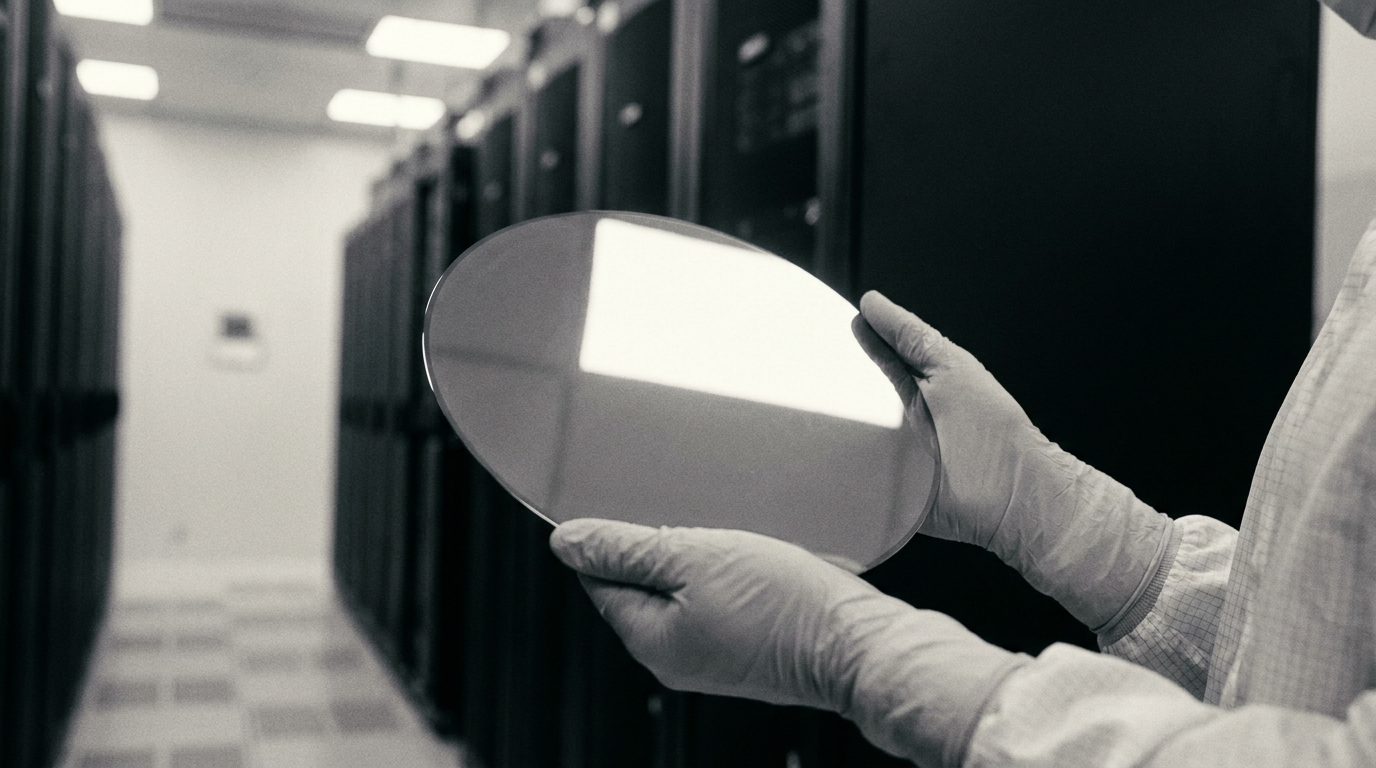
H200 chips could soon reach selected Chinese AI developers after Beijing signaled limited approvals for Nvidia processors, a technology news site reported.
The reported decision would give companies including Alibaba Group Holding Ltd., ByteDance Ltd. and DeepSeek a path to buy some of the advanced processors. The access would not be automatic: companies must tell officials how many chips they want and explain the intended use, according to the report.
Beijing weighs chip requests
The shift matters because China had moved slowly on allowing the U.S. technology into the country even after Washington cleared Nvidia to sell the H200 to Chinese customers in December. That created a two-sided bottleneck: Nvidia had a U.S. license route, while Chinese buyers still faced domestic permission checks.
The new process appears designed to keep central control over both volume and purpose. By requiring firms to justify demand, Chinese officials can support selected AI development while limiting broad dependence on a U.S.-made component at the center of a strategic technology race.
Alibaba, ByteDance and DeepSeek
Alibaba, ByteDance and DeepSeek sit at the core of China’s AI competition, with large model development requiring heavy computing capacity. The H200 processors are used to develop AI models, making access to them commercially important for companies trying to improve model performance and training efficiency.
For Nvidia, even limited approval would preserve a route into one of the world’s most important AI markets. The company is based in Santa Clara, California, and has been caught between U.S. export controls, Chinese technology policy and customer demand from firms building advanced AI systems.
Nvidia did not provide an immediate comment, according to the source report. The lack of company confirmation leaves key details unresolved, including the size of any permitted purchases, delivery timing and whether approvals would be granted case by case or through a broader quota system.
A narrow opening for Nvidia
The U.S. and China have turned advanced chips into a central bargaining point in their broader technology rivalry. Washington’s December clearance under President Donald Trump reduced one barrier for Nvidia, but Beijing’s caution showed that U.S. approval alone does not decide whether sales can proceed.
China’s approach reflects a balancing act. Domestic AI companies want access to powerful processors for model development, while policymakers are trying to reduce exposure to foreign technology that could be restricted again if relations worsen.
The wider chip sector will read the move as a test of how controlled access might work in practice. If China permits small, justified purchases, suppliers may gain revenue visibility without seeing a full reopening of the market; if approvals are slow or highly selective, companies will still plan around constrained supply.
Three paths for AI supply
If Beijing keeps approvals narrow, the global macro effect would be limited because chip flows would remain controlled rather than broadly liberalized. Nvidia would benefit from incremental China sales, while the AI hardware industry would continue to price in political risk around cross-border technology supply.
If approvals expand after companies demonstrate specific needs, Chinese AI developers could gain more computing capacity for model training. That would support Nvidia’s China revenue channel and may pressure rival chipmakers and domestic suppliers to match performance, availability or policy alignment.
If Chinese officials reverse course or delay permits, the effect would run through investment plans rather than immediate production lines. Nvidia would face continued uncertainty over China demand, and the sector would likely put more weight on alternative chips, local substitutes and compliance-heavy sales structures.
The main uncertainty is the approval threshold. Until officials disclose how many H200 processors can enter China, which buyers qualify and how use cases will be checked, the reported easing remains a controlled opening rather than a clear policy reset.