Mamdani says state primaries show voters want new politics
New York’s state primaries delivered progressive wins that Mayor Zohran Mamdani said reflect Democratic voters’ demand for a new political approach.
Lauren Collins ·
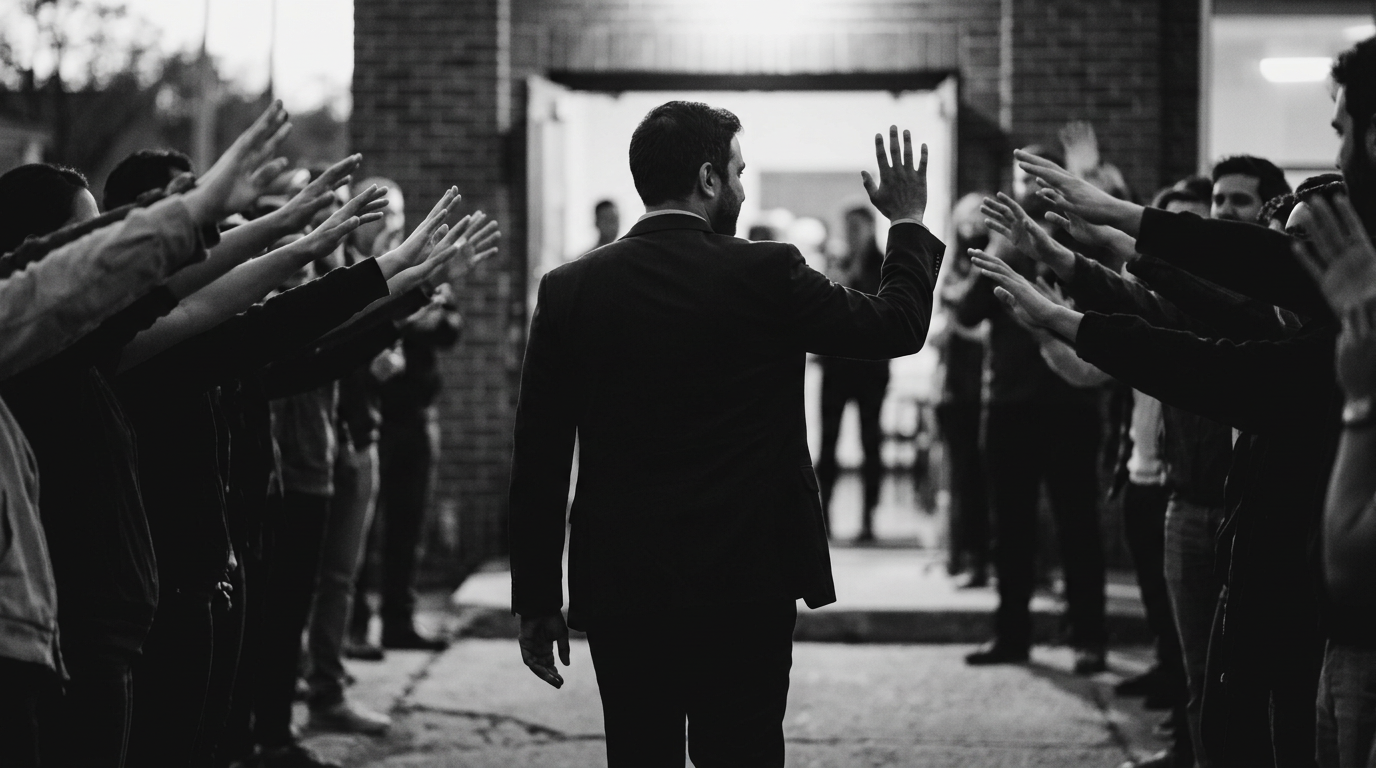
New York’s state primaries delivered a wave of progressive victories that Mayor Zohran Mamdani said signals Democratic voters are demanding “a new kind of politics.”
Speaking on ABC’s This Week , Mamdani argued the results reflected frustration among voters who feel the party has explained hardship without offering a clear plan to improve daily life.
Mamdani frames victories as a mandate for a new agenda
Mamdani, a Democrat, said the party has too often focused on diagnosing why New Yorkers are struggling rather than presenting a compelling vision to lower costs and improve living conditions. He described Tuesday’s outcomes as a citywide message about the style of leadership Democratic primary voters want.
He pointed to the breadth of the results across New York City as evidence that the electorate is looking for candidates who pair critique with tangible commitments. Mamdani did not outline a specific policy package in the interview, but he emphasized that voters want solutions rather than explanations.
The mayor’s comments came as party leaders and campaign operatives assessed how a set of insurgent campaigns overcame better-known opponents. The contests have also reignited debates about how Democratic candidates navigate foreign policy issues—particularly Israel—alongside local concerns such as affordability and public services.
Progressive challengers topple incumbents in key contests
Tuesday’s Democratic primary results reverberated through New York’s political establishment after several Mamdani-backed candidates running on democratic socialist platforms defeated higher-profile rivals. The upsets were notable both for who lost and for the coalitions that formed to win.
Former New York City Comptroller Brad Lander defeated Representative Daniel Goldman, according to the results cited in the aftermath of the primaries. In another race, Darializa Avila Chevalier won the Democratic nomination over Adriano Espaillat, who chairs the Congressional Hispanic Caucus.
Elsewhere, Assemblywoman Claire Valdez defeated Brooklyn Borough President Antonio Reynoso in an open primary contest. Taken together, the victories marked a strong night for left-aligned candidates who campaigned on a platform described as democratic socialist and who benefited from organized progressive backing.
The outcomes also highlighted the vulnerability of incumbents linked to positions that have become flashpoints within the Democratic base. The defeated candidates were described as supporters of Israel, a stance that has drawn sharper scrutiny in some primary electorates as activists push for different approaches to the conflict and U.S. policy.
What the results suggest for New York Democrats next
While primary electorates are narrower than general-election voting pools, the scale of the wins in the nation’s largest city is likely to shape strategy for future contests. Progressive groups may interpret Tuesday’s slate as proof that coordinated endorsements and message discipline can overcome establishment advantages.
For mainstream Democratic leaders, the results present a choice between adapting to a more left-leaning base or risking further intra-party defeats. Mamdani’s framing suggests a push toward more explicit economic messaging aimed at voters who feel squeezed by costs and see politics as failing to deliver improvements.
The primaries also underscore how international issues can intersect with local elections, particularly when candidates’ records become shorthand for broader ideological divides. In the weeks ahead, attention will turn to whether the winners consolidate support across the party and how opponents recalibrate ahead of the general election cycle.
Next steps will include party efforts to unify behind nominees, fundraising tests for the newly nominated candidates, and whether additional incumbents adjust their positioning in anticipation of similar challenges. The immediate implication is clear: in these state primaries, a progressive message proved powerful enough to reshape the city’s Democratic political landscape.