Lula election pitch frames Brazil vote as democracy test
Lula framed Brazil's 2026 vote as a choice over democracy after casting his ballot, with runoff rules keeping October 25 in view.
Sofia Reyes ·
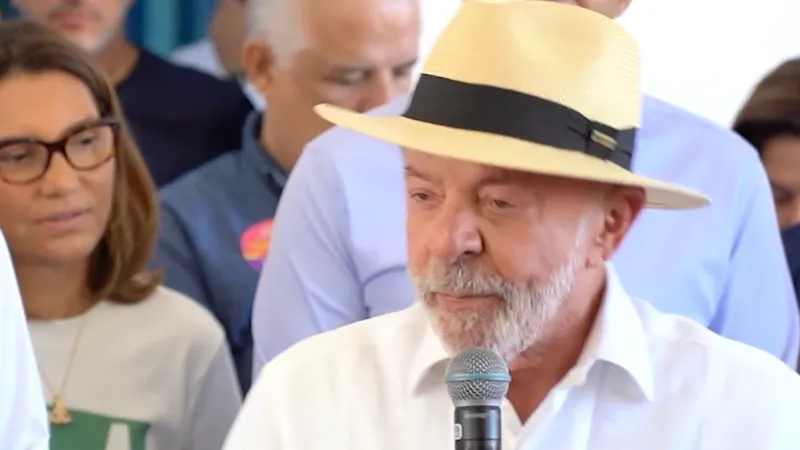
Lula cast his ballot Sunday in Sao Bernardo do Campo, framing Brazil's 2026 vote as a test of democracy. The election sets the 2027–2030 presidency.
Luiz Inacio Lula da Silva voted at the Joao Firmino Correia de Araujo State School in the Assuncao neighbourhood of Sao Paulo state. Speaking afterward to journalists, the president and re-election candidate said the result should be treated as the voters' decision.
Ballots over published surveys
Lula sought to move attention from pre-election polling to the official count, saying the only number that would matter was the one produced after voting closed. Polls had been published before election day, but he did not treat them as a substitute for the result.
"The people own the country. The people own democracy," Lula said, according to his remarks after voting. He said polls, whether favorable or unfavorable, would be overtaken by the ballot count once voting ended at 17:00.
Democracy frames Lula's appeal
The president described the choice before voters in stark political terms, contrasting the strengthening of democratic rule with what he called "barbarism." He also set up the vote as a contest between development and regression, and between economic growth and backwardness.
Those phrases made democracy the center of his closing message rather than a narrower claim about party management or campaign tactics. The framing also gave Lula a way to link his record in office with a broader argument about Brazil's political direction.
Government record enters the campaign
Lula said his confidence came from both his administration's record and the work completed during the campaign. He cited inflation control, a recovery in economic growth, a higher minimum wage and advances in education as achievements of his government.
Those claims were presented by Lula as reasons for voters to renew his mandate, not as independently verified measures in the remarks provided. The immediate political test is whether that record translates into more than half of valid votes in the first round.
Runoff rule sets October date
Brazil's 2026 election will choose the president and vice president for the 2027–2030 term. If no candidate receives more than 50% of valid votes in the first round, the two leading candidates will move to a second vote on October 25.
That threshold makes Sunday's count more than a measure of first-round strength. A first-round victory would settle the presidency immediately, while a runoff would extend the contest and force the top two campaigns to rebuild their coalitions for another three weeks.
Campaign paths after the count
If Lula clears the 50% valid-vote mark, the macro effect would be earlier clarity on the leadership that foreign governments and investors deal with from 2027. For Lula, the mechanism would be a direct mandate to defend his governing record; for Brazilian business sectors, the campaign overhang would narrow sooner.
If no candidate reaches that mark, the runoff path shifts attention to October 25 and to the alliances each finalist can assemble. In that scenario, the global macro signal remains provisional, Lula faces a second test of voter confidence, and companies operating in Brazil would wait longer for a settled political direction.
The main open question is not what Lula said after voting, but how many valid ballots align with that message. The answer will determine whether Brazil moves directly into a new presidential term or into another round of campaigning.