

Medicalization of Loneliness Risks Misallocating Public Health Resources
Treating loneliness as a medical condition may misdirect resources and fail to address the structural social causes of isolation, according to recent research.
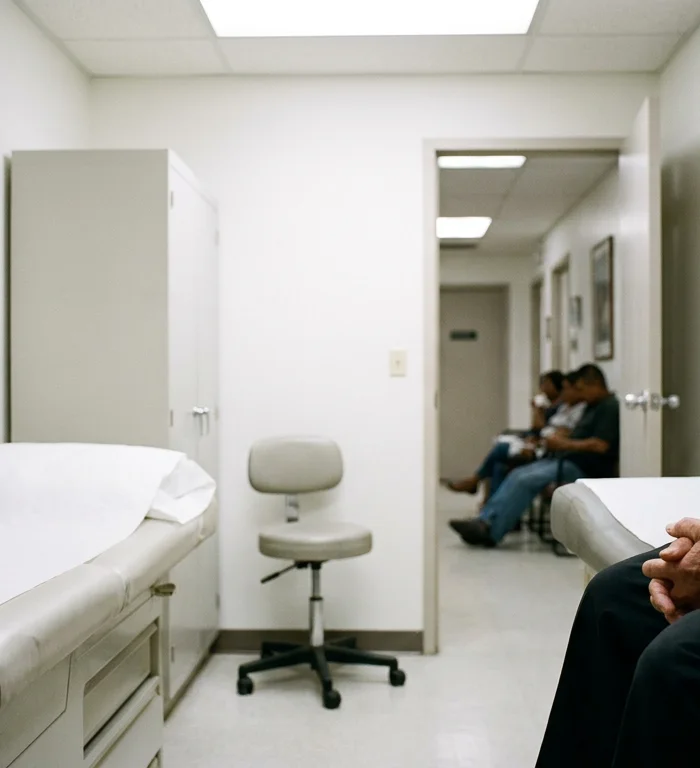
Recent research indicates that framing chronic loneliness as a clinical medical condition may be an ineffective strategy for addressing its root causes. While studies link social isolation to a 30% increase in premature mortality and significant healthcare expenditures—including an estimated $6.7 billion annual cost to Medicare for older adults—the medicalization of the issue risks shifting responsibility away from social and structural policy.
Analysts suggest that the healthcare system lacks the institutional capacity to resolve the underlying drivers of isolation, such as community fragmentation and labor market structures. By prioritizing clinical interventions, policymakers may inadvertently divert limited resources from preventive social programs that could address isolation before it manifests as a physical health crisis.
Evidence suggests that the push to categorize loneliness as a medical concern originated largely from academic, government, and insurance sectors rather than clinical practitioners. This trend has led to the exploration of pharmaceutical and clinical screening interventions, which critics argue are insufficient to replace the necessity of robust social infrastructure.
Institutional stakeholders are advised to evaluate the limitations of clinical-based responses to social phenomena. Future policy frameworks may require a shift toward "upstream" interventions that focus on community development and social policy, rather than relying on the healthcare system to manage outcomes that are fundamentally social in nature.
More stories
- Nigeria's family-planning budget falls 97%
- Peter Attia reviews cold therapy claims on longevity
- Dietitians advise small swaps for plant-based eating
- TikTok dementia videos mislead in 66.4% of sample, researchers say
- Aberdeen Royal Infirmary faces police inquiry call over 19 deaths
- Bariatric surgery group loses 28.2% after GLP-1 use
- Facial AI study links cancer survival with apparent age
- Shamonda virus case in France marks first human infection
Latest news
- Duterte faces ICC trial over 85 alleged murders, 2 attempts
- Norse Atlantic suspends flights in urgent rescue funding bid
- Bardella denies antisemitism claims over teenage messages
- Retailers rethink Black Friday as discount fatigue grows
- Japan data centers face lawsuits over residential sites
- S&P puts Nvidia credit rating on watch over board concerns
- Musk pledges two SpaceX shares per child in new US giveaway
- Washington targets China in new tariff push on trade ties