

Shamonda virus case in France marks first human infection
France has reported the first documented human Shamonda virus infection; the patient died, Tedros Adhanom Ghebreyesus said.
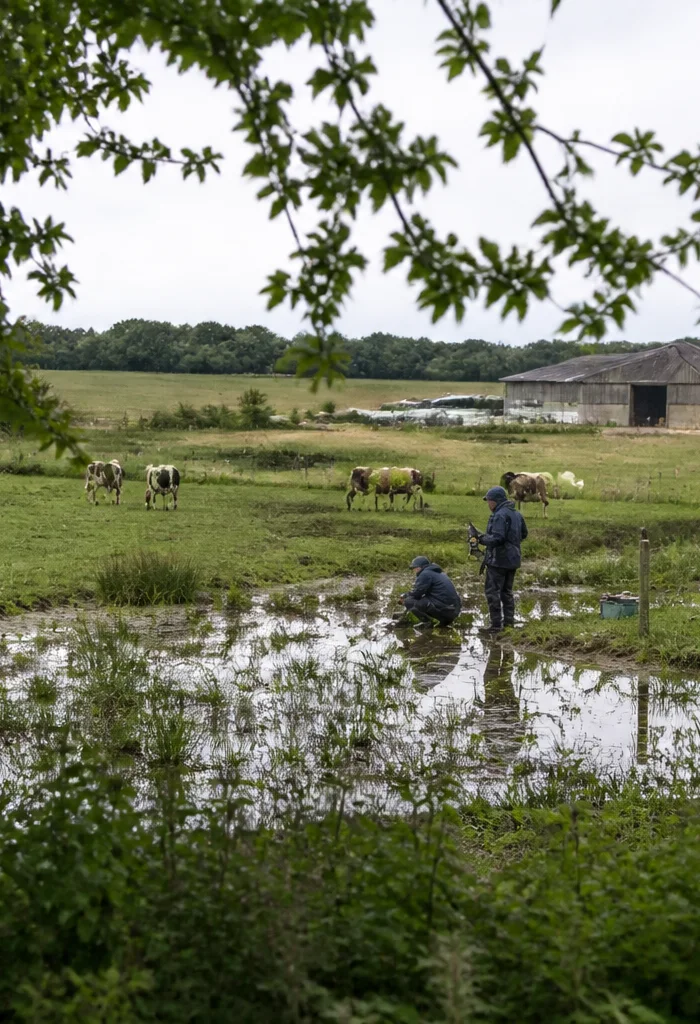
France has reported the first documented human Shamonda virus infection; the patient died, Tedros Adhanom Ghebreyesus said.
French authorities are investigating how the infection occurred and whether it presents a public health risk, according to Tedros's statement. The World Health Organization (WHO) is communicating with those authorities as they gather information about the patient's exposure and potential transmission pathways.
Human case extends the animal record
Shamonda had previously been identified only in animals, Tedros said. The French report therefore extends the documented record to a human patient, but his statement does not establish whether this was an isolated event or whether other human infections have gone undetected.
Tedros identified cattle and horses, alongside sheep and goats, as animals primarily affected by the virus. That animal history is relevant to the investigation: he said the patient had been in a location with viral circulation among animals and the presence of Culicoides midges.
The patient's immune defenses were impaired, which Tedros said increased vulnerability both to infection and to serious illness. His statement did not provide a clinical timeline or explain the medical findings behind the identification of Shamonda in this patient.
Midge exposure remains an investigative lead
Tedros described bites from midges, small insects resembling flies, as the suspected means of transmission among animals. He also said additional research was necessary to clarify transmission, leaving the route by which the French patient became infected unresolved.
The presence of Culicoides midges and infected animals gives investigators an exposure setting to examine. Neither detail, on its own, demonstrates that an insect transmitted the virus to the patient; Tedros did not announce a confirmed chain linking an animal, an insect and the human infection.
The distinction between a suspected animal transmission pathway and an established human pathway is central to interpreting the report. The statement provides no finding on transmission between people, and the identification of a human infection does not itself resolve that question.
French inquiry examines public health risk
The immediate investigation covers the origin of the infection, possible transmission mechanisms and the potential danger to public health, Tedros said. His account gives no timetable for conclusions and does not announce new public precautions or an assessment of risk to the wider population.
If investigators establish a midge-associated exposure, that finding would help explain this patient's infection without, by itself, establishing how frequently humans become infected. If the pathway remains unresolved, the relationship between local animal circulation and the human case would remain an investigative question rather than a demonstrated explanation.
The reported death and the patient's impaired immunity are important clinical details, but Tedros's statement does not specify whether Shamonda caused the death. Further findings from French authorities are needed to clarify that distinction, alongside the route of infection and the public health assessment.
More stories
- Facial AI study links cancer survival with apparent age
- India caps margins on 137 cancer drugs
- Obakulactone reduces joint swelling in arthritis-model rats
- England maternity units face closure risk at up to 20 sites
- Delayed hepatitis B dose may raise child infections 83%
- Harvard experts weigh GLP-1 priorities after 1-in-8 uptake
- Coffee consumption guidance shifts in new AHA heart report
- Ebola outbreak exposes gaps in global health defenses again
Latest news
- Iran phone buyers face 30% import duties
- Bruno Fernandes keeps United captaincy after Como criticism
- Oil rises as Aramco staff reportedly told to leave offices
- Damages dispute puts Trump finances at center of lawsuit
- Venezuela protests seek elections as vote dates stay unset
- Citi gets China securities license, now faces scale test
- Xizang earthquake blocks highway as crews build shelters
- Typhoon Champi weakens but keeps Taiwan largely shut down