

Iran phone buyers face 30% import duties
Commercial imports have fallen sharply, while traders reroute devices through Dubai, Oman and Iraq and consumers struggle against an $83 monthly wage…
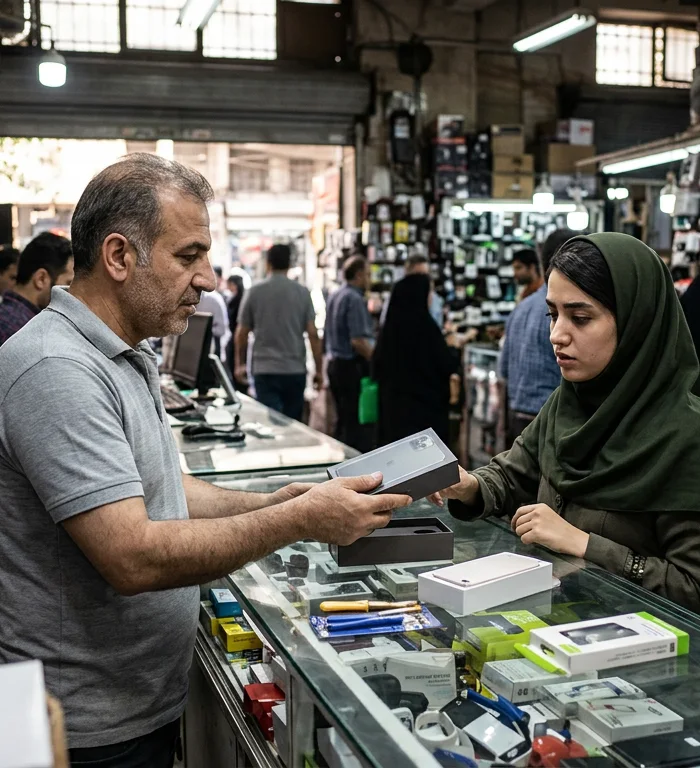
Iranian mobile-phone buyers face government import duties of up to 30% on devices valued above €900, Al Jazeera reported on October 23, as sanctions and trade restrictions raise electronics costs.
The strain is widening as commercial phone imports dropped to about 1 million units in the first five months of the current Iranian year from 3.16 million a year earlier, customs chief Foroud Asgari told state media in mid-August.
Al Jazeera said Apple's iPhone 18 lineup, released in the United States on September 18, appeared in downtown Tehran within days even though Apple has no physical presence in Iran because of international sanctions.
“These things can’t stop a mobile phone seller,” a phone and accessories trader in Tehran’s Charsou Mall told Al Jazeera, requesting anonymity for security reasons. The trader said bringing phones into Iran has become more complex, slower and more expensive.
The report described a market still supplied with foreign electronics, but at prices increasingly detached from local purchasing power. A 15-inch MacBook Air M4 sold in Tehran this week for the rial equivalent of more than $1,450, about 6% above an average retailer in the United Arab Emirates.
A one-terabyte PlayStation 5 Slim disc-edition console cost about $730, about 11% more than some US retailers, Al Jazeera reported. The higher prices show how trade disruption and domestic fees are filtering into consumer electronics.
Trade routes have narrowed as many imported electronics reach Iran through Dubai, but Al Jazeera said the nearly eight-month war with the US and Israel has disrupted Strait of Hormuz trade. The UAE halted trade, commercial exchanges and financial transactions with Iran on August 19, according to the report.
Some traders shifted to passengers arriving from Oman, Al Jazeera reported. That channel also weakened after US sanctions on all Iranian airlines, and on entities serving them, took effect in September.
The Tehran trader said “most of the phones are now smuggled into the country” and that many pass through Sulaimaniyah in Iraq’s Kurdish region before entering Iran by land.
Iran’s registration system adds another cost layer. Imported phones can connect to mobile service for only 30 days unless the buyer pays a government fee, according to the report. Duties rise by device value: up to 6% for phones below €600, up to 15% for phones from €600 to €900, and up to 30% above €900.
Al Jazeera said other levies and domestic “warranties” can push extra charges on some devices to more than half the final price. Registered devices still face internet filtering and shutdowns, while US sanctions leave global payment methods and many international services unavailable to Iranians, according to the report.
State-linked Tasnim news site said about $1.6 billion of mobile phones were imported commercially in the Iranian year ending March 2026, with as much as 20% priced above $600. It said passengers brought in $470 million of phones, mostly higher-spec devices. Al Jazeera said there are no clear figures for smuggled phones.
The affordability gap is large, with the monthly minimum wage plus basic government subsidies for an average married worker equal to about $83, Al Jazeera said. The rial traded at about 2.64 million per US dollar in Tehran on Monday, slightly stronger than a record low earlier in October.
Afsaneh, a 27-year-old Tehran teacher, told Al Jazeera she had considered replacing her iPhone 13 with last year’s iPhone 17 but would need to sell her current phone, use savings and borrow from her parents. “A lot of people are one failure of a major electronic device away from getting into serious debt,” she said.
More stories
- Venezuela protests seek elections as vote dates stay unset
- Xizang earthquake blocks highway as crews build shelters
- Typhoon Champi weakens but keeps Taiwan largely shut down
- Zelensky urges Trump to press Putin into ceasefire talks
- France limits protests as Paris braces for more closures
- Portugal housing shortage prompts call for more building
- Ethiopia's coffee sector faces $453m EU export risk
- EU faces Vietnam rights test over $57.9bn trade gap
Latest news
- Facial AI study links cancer survival with apparent age
- Shamonda virus case in France marks first human infection
- Bruno Fernandes keeps United captaincy after Como criticism
- Oil rises as Aramco staff reportedly told to leave offices
- Damages dispute puts Trump finances at center of lawsuit
- Citi gets China securities license, now faces scale test