Lawmakers press Iran ceasefire deal after briefings
Iran ceasefire briefings by Rubio and other officials left lawmakers cautious, as Congress also reviews an $87.6 billion request tied to the war.
Atlas Newsdesk ·
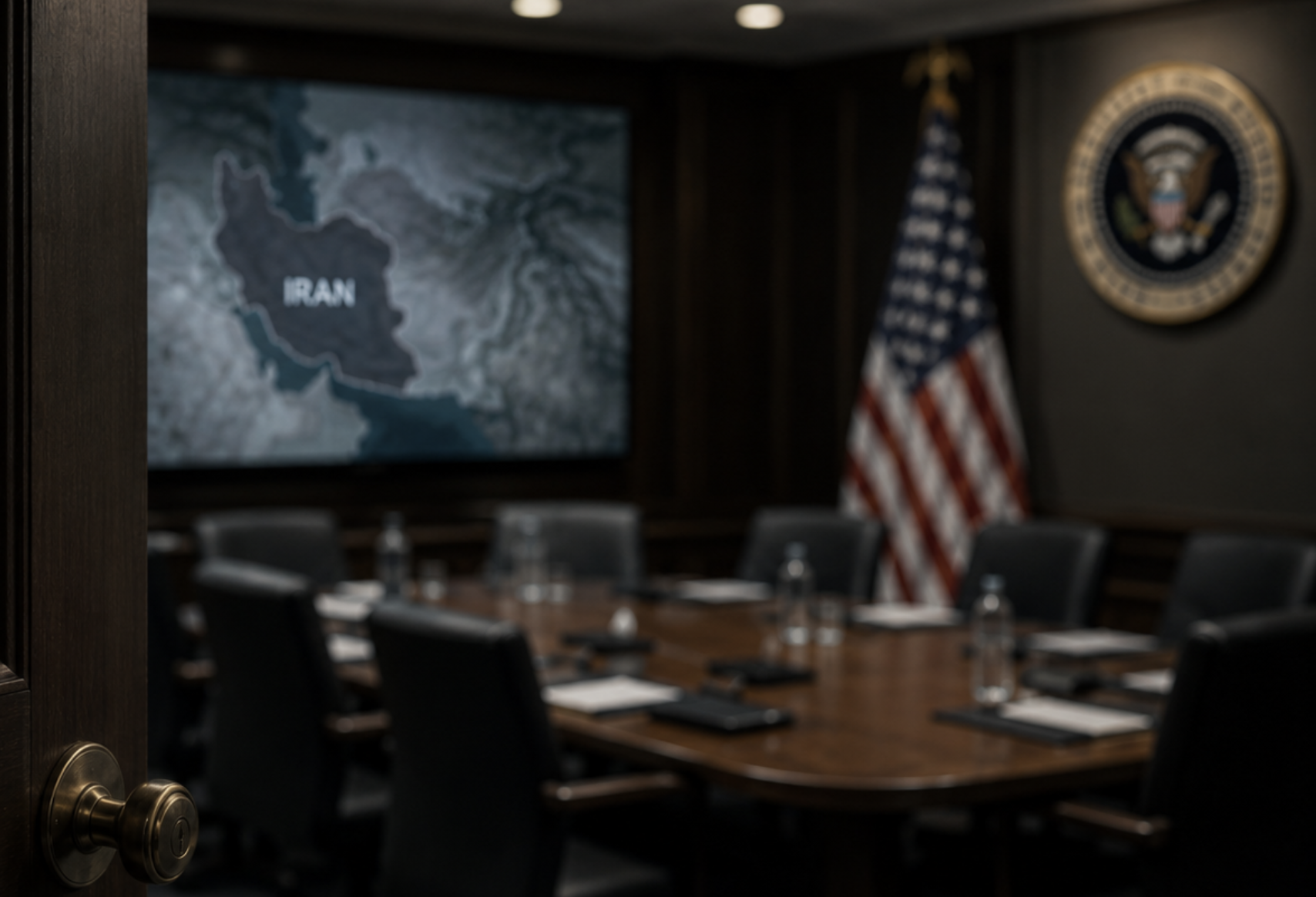
Iran ceasefire briefings from senior Trump administration officials left lawmakers voicing fresh doubts, even as some said the deal may still offer a path forward.
Secretary of State Marco Rubio and White House envoy Steve Witkoff provided phone briefings to House and Senate members, according to lawmakers familiar with the talks. A separate, smaller classified session was later led by deputy national security adviser Andy Baker for congressional leaders.
The briefings came as Congress weighs both the durability of the ceasefire and the administration’s related funding request. Several lawmakers indicated the closed-door updates did not fully resolve questions about what, if anything, has changed since fighting ended.
Lawmakers weigh optimism against distrust of Tehran
House Foreign Affairs Committee Chair Brian Mast, a Republican from Florida, said Iran’s track record complicates confidence in any agreement. Mast told reporters that Iran does not “operate in truthfulness,” while also arguing there are reasons for guarded optimism.
Democrats on the House Foreign Affairs Committee signaled they remain unconvinced that the briefings demonstrated meaningful new gains. Rep. Greg Meeks of New York, the committee’s top Democrat, said he did not hear information indicating major progress after the war beyond what he believed had been achieved beforehand.
Those comments underscored a central concern on Capitol Hill: whether the Iran ceasefire represents a durable shift in the conflict or a temporary pause. The skepticism also reflects the limited ability of lawmakers to discuss specifics from classified sessions.
Closed-door sessions outline administration posture
Rubio and Witkoff briefed House and Senate lawmakers by phone, a format that can rapidly reach large groups but often leaves little time for extended questioning. The subsequent classified briefing with Baker was described as smaller and aimed at congressional leaders, signaling the administration’s intent to share more sensitive details with a narrower audience.
The mixed reaction suggests the administration may face continued scrutiny as it seeks to define the ceasefire’s terms, enforcement mechanisms, and benchmarks for success. In Congress, support can depend not only on the agreement’s stated goals but also on confidence in verification and compliance.
While the administration has not publicly released a detailed framework tied to these briefings, lawmakers’ statements pointed to a continuing information gap. That gap is likely to shape upcoming oversight and funding debates, particularly if members believe the ceasefire lacks enforceable commitments.
$87.6 billion war funding request adds pressure
Alongside the Iran ceasefire discussions, lawmakers are reviewing a large new spending request tied to the conflict. Hill leaders said they are still digesting the administration’s $87.6 billion ask intended to cover war-related costs.
The size of that request raises immediate questions about priorities, timelines, and accountability. Major supplemental funding packages often require detailed justifications, and skepticism over the ceasefire could influence how aggressively lawmakers press for conditions, reporting requirements, or restrictions.
The funding debate also connects directly to claims of progress. If lawmakers remain uncertain about postwar gains, they may demand clearer metrics for how additional resources would reinforce the ceasefire or prevent renewed hostilities.
Next steps are expected to include follow-up briefings and more pointed questioning as committees examine both the ceasefire’s viability and the cost of the war. The administration’s ability to demonstrate measurable outcomes and credible enforcement will likely determine whether doubts on Capitol Hill ease or intensify.