Trump firing power widened as Supreme Court backs removals
Trump firing power expanded after the US Supreme Court said presidents may remove leaders of independent agencies, in a 6-3 ruling tied to the FTC.
Lauren Collins ·
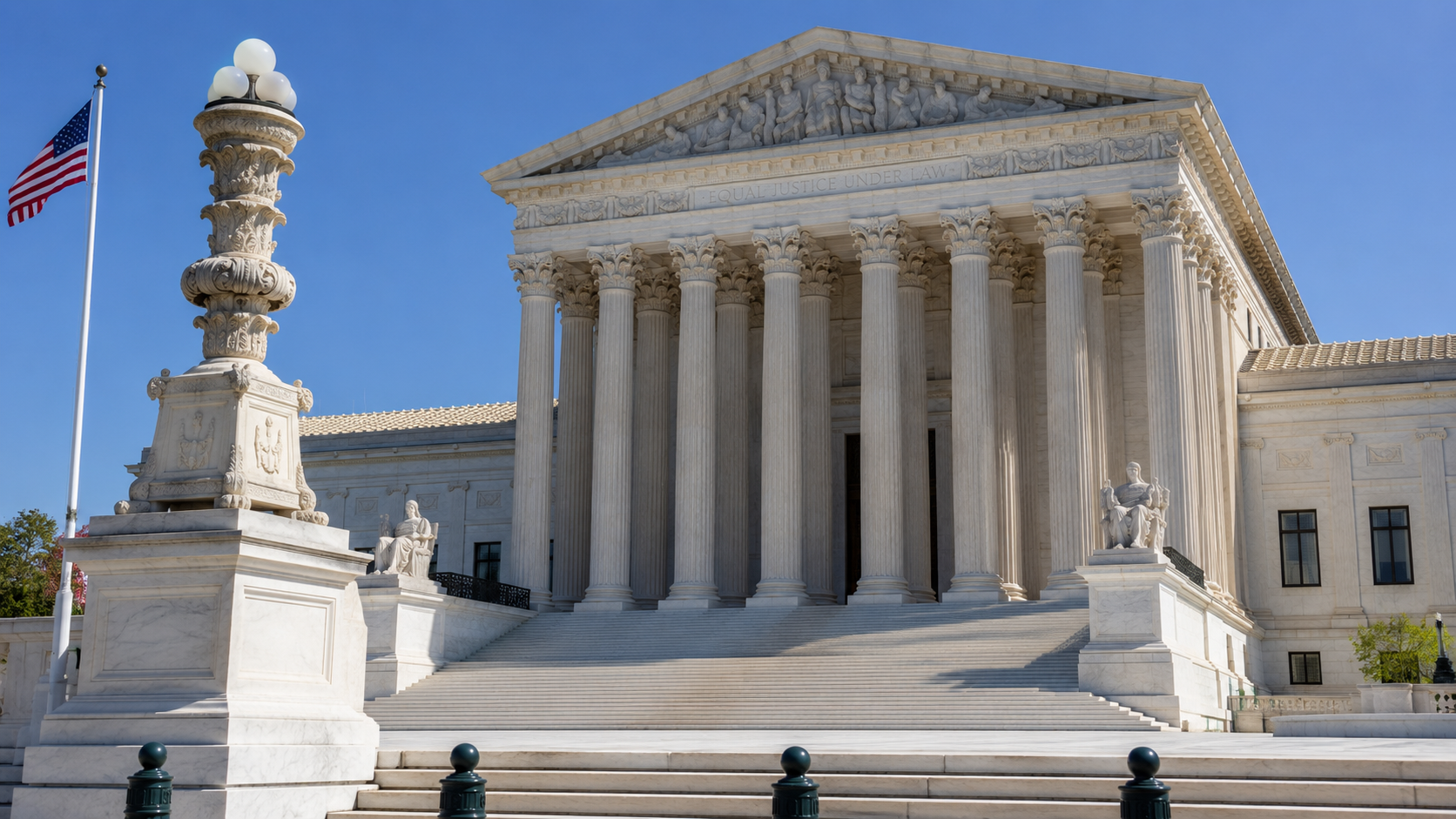
Trump firing power grew Monday after the US Supreme Court held that presidents may dismiss leaders of independent agencies and commissions, reversing decades of limits on removals.
The decision came in Trump v Slaughter , a case arising from the White House’s March 2025 removal of Federal Trade Commission (FTC) member Rebecca Slaughter. The court split 6-3, with Justices Sonia Sotomayor, Elena Kagan and Ketanji Brown Jackson dissenting.
The ruling marks a sharp change in how Washington has treated so-called independent regulators, which Congress designed to operate with some distance from direct political control. For roughly 90 years, prior Supreme Court precedent had generally allowed “for-cause” protections that prevented presidents from firing certain commissioners without specific justification.
Case stems from March 2025 FTC dismissal
Slaughter, a member of the FTC, was removed by the Trump administration in March 2025. According to court filings and public accounts cited in the case, she was notified by email that her continued service would conflict with the administration’s priorities.
After she was terminated, Slaughter sued, arguing that she could not be removed absent cause under the statutory framework governing the FTC. A lower court sided with her and ordered her reinstatement, setting the stage for Supreme Court review.
The Supreme Court’s new decision overturns that lower-court outcome and, more broadly, rejects the long-running approach that insulated many independent agency leaders from at-will removal. The majority concluded that the president’s authority to remove principal officials cannot be constrained in the way earlier cases allowed.
Majority shifts balance toward the White House
Independent agencies such as the FTC typically have multi-member commissions, staggered terms, and limits on how many commissioners may come from the same political party. Those design features were intended to promote continuity and reduce abrupt shifts in enforcement from one administration to the next.
The court’s ruling re-centers control over agency leadership inside the executive branch. In practical terms, it gives the president greater leverage to replace commissioners and chairs across independent bodies, potentially accelerating policy changes in areas like competition enforcement, consumer protection, and other regulatory arenas overseen by commissions.
The 6-3 split reflects the court’s ideological divide over separation of powers. The three dissenting justices warned that eliminating longstanding protections could weaken the independence Congress sought to preserve and could increase the risk of regulatory decision-making being shaped by short-term political pressures.
Implications for regulators and pending litigation
The immediate effect of the ruling is to validate the March 2025 removal that triggered the case and to block the reinstatement ordered by a lower court. It also establishes a broad precedent likely to affect future disputes involving other independent agencies and commissions.
For regulated industries, the decision could raise uncertainty about how stable enforcement priorities will remain across election cycles. Leadership changes may now occur more quickly after a new administration takes office, potentially altering guidance, enforcement intensity, and settlement policies.
For agency personnel and commissioners, the ruling changes the calculus of tenure and political independence. Commissioners who previously relied on statutory job protections may face heightened exposure to removal when their votes or public stances diverge from White House objectives.
Next, legal attention is expected to shift to how broadly the ruling will be applied beyond the FTC and whether Congress can craft alternative structures that survive judicial review. In the near term, the decision is poised to influence how the Trump administration approaches leadership across commissions and how quickly regulatory agendas can be reset.