

German Budget Negotiations Face Fiscal Constraints and Structural Spending Disputes
German budget negotiations are stalled by disputes over record spending, tax policy, and the fiscal impact of international aid commitments.
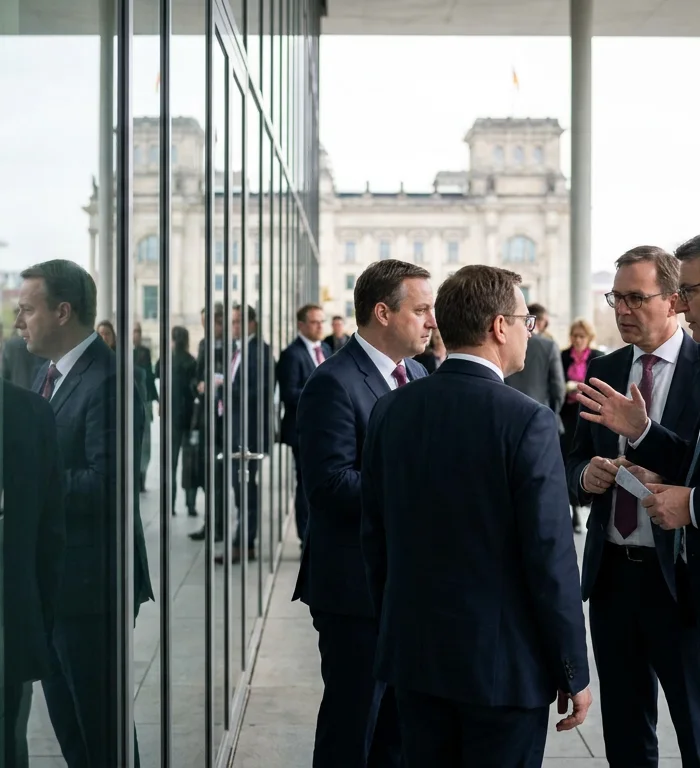
The German federal budget remains subject to intense parliamentary negotiations as the government faces record expenditure levels. Disagreements persist within the budget committee regarding potential tax adjustments and the prioritization of state spending. Fiscal oversight bodies have signaled concerns regarding the current administrative expansion, advocating for the elimination of entire ministerial departments to address structural deficits.
Despite national tax revenues approaching $1.06 trillion, critics argue that the state suffers from a systemic expenditure problem. Proposals to expand subsidies for electric vehicles have faced significant pushback, with analysts warning that such measures could exacerbate fiscal instability. The ongoing debate highlights a fundamental tension between maintaining current social and industrial support programs and achieving long-term budgetary consolidation.
At the European Political Community summit in Dublin
Simultaneously, international commitments are complicating domestic fiscal planning. At the European Political Community summit in Dublin, proposed aid packages for Ukraine have become a point of contention. Political leadership has linked future financial support to strict conditions regarding the broader European Union budget, drawing criticism from other member states. These external obligations are increasingly viewed as a potential strain on national fiscal capacity.
Geopolitical developments, including a potential large-scale prisoner exchange between Ukraine and Russia, continue to influence the diplomatic environment in which these financial decisions are made. Policymakers must now balance the pressure of domestic fiscal reform against the necessity of maintaining international security commitments. The outcome of these budget negotiations will likely define the government's economic policy trajectory for the remainder of the legislative period.
More stories
- Germans oppose Ukraine aid as poll shows support slipping
- Kim Jong-un receives 10 envoys after constitutional shift
- Ukraine claims Libya strike sinks Russian naval corvette
- COP31 climate talks collapse over fossil fuels and funds
- Russian military faces 1,087 recorded suicides in Ukraine war
- US faces China, Russia in Africa minerals contest
- Bundeswehr faces misconduct gap as few as one-sixth reported
- Megaspeed’s 2024 affiliate filings widen Nvidia chip scrutiny
- Singapore faces 400-post Indonesia disinformation push
- Royal Navy expands 10-country drone plan after Russian activity rises 41%
Latest news
- Trump prepares tariffs on China and other major exporters
- New-car buyers pay record average $50,087 in October
- Banks face ECB reserve debate over liquidity and profits
- Investors see Anthropic debut gains fade below $83 a share
- Iraq orders federal control over Kurdish-area oilfields
- Nvidia shares retreat as AI rally cools before PCE data
- Macy’s parade faces balloon limits as storm winds approach