

Australia Backs US-Israel Strikes, Faces Internal Dissent
Australia's government backed US-Israel strikes on Iran, sparking internal Labor Party dissent over international law and foreign policy alignment.
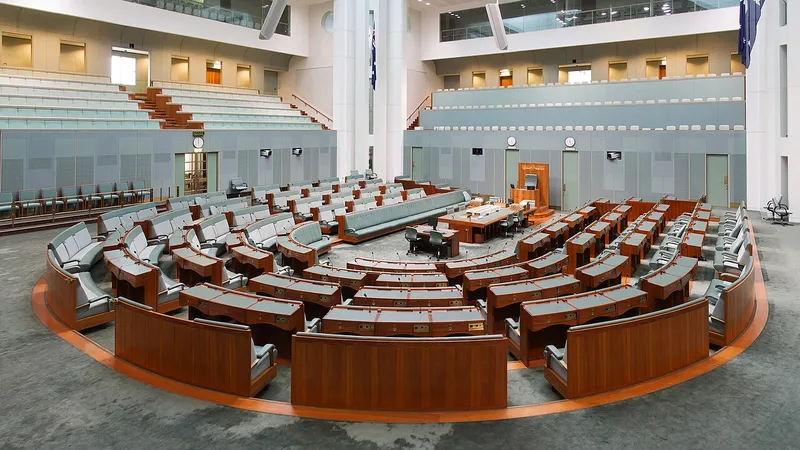
The Australian government, under Prime Minister Anthony Albanese, publicly supported recent US and Israeli military actions against Iran in late February. This endorsement, also articulated by Foreign Affairs Minister Penny Wong and Defence Minister Richard Marles, occurred swiftly following the initial strikes.
This rapid backing, however, has generated significant internal debate within the ruling Labor Party. Several Labor Members of Parliament (MPs) have privately expressed concerns regarding the legality of these strikes under international law, particularly noting the absence of such references in the government's official statements.
Government's Stance and Deployments
Internal Party Disagreement
This internal friction contrasts with the government's more measured response to previous US strikes on Iranian nuclear facilities in June of the prior year, where endorsement was notably delayed. The ongoing discussions are anticipated to intensify leading up to Labor's national conference scheduled for July.
International Law Concerns
Historical Context and Implications
The debate within the Labor Party is not merely an internal matter but reflects broader societal discussions about Australia's role in global conflicts and its adherence to international legal norms. The outcome of these internal party discussions, particularly at the upcoming national conference, could influence the future direction of Australia's foreign policy and its engagement with international security issues.
Implications
Country Impact: Australia's foreign policy faces scrutiny, with internal political divisions potentially impacting its diplomatic stance and alliance management. The debate could reshape the Labor Party's platform on international interventions.
Industry Impact: No direct industry-specific implications are immediately apparent from the source material. However, defense sector engagements could be influenced by future policy shifts.
Market Impact: No direct market implications are specified. Geopolitical tensions in the Middle East, however, generally carry risks for global energy markets and investor sentiment, which could indirectly affect Australian markets.
More stories
- Germany rejects Russian diesel deal as Merz backs curbs
- Kyiv challenges energy ceasefire as Russia reports talks
- Lavrov urges Lebanon ceasefire after talks with minister
- Zelensky Backs Energy Ceasefire, Says Russia Resists
- Saudi airport attack kills 13, strains missile defenses
- Morocco draws $6 billion China EV supply-chain push
- Ukraine Deploys Drone Interceptors to Jordan
- Spain Pardons 53 Franco-Era Repression Victims
- Madagascar Military Leader Dissolves Government
- UK Government Eyes Energy Price Cap Intervention