Ukraine Deploys Drone Interceptors to Jordan
Ukraine deployed drone interceptors and personnel to Jordan on March 7, 2026, at the U.S.'s request, to counter Iranian drone threats.
Lauren Collins ·
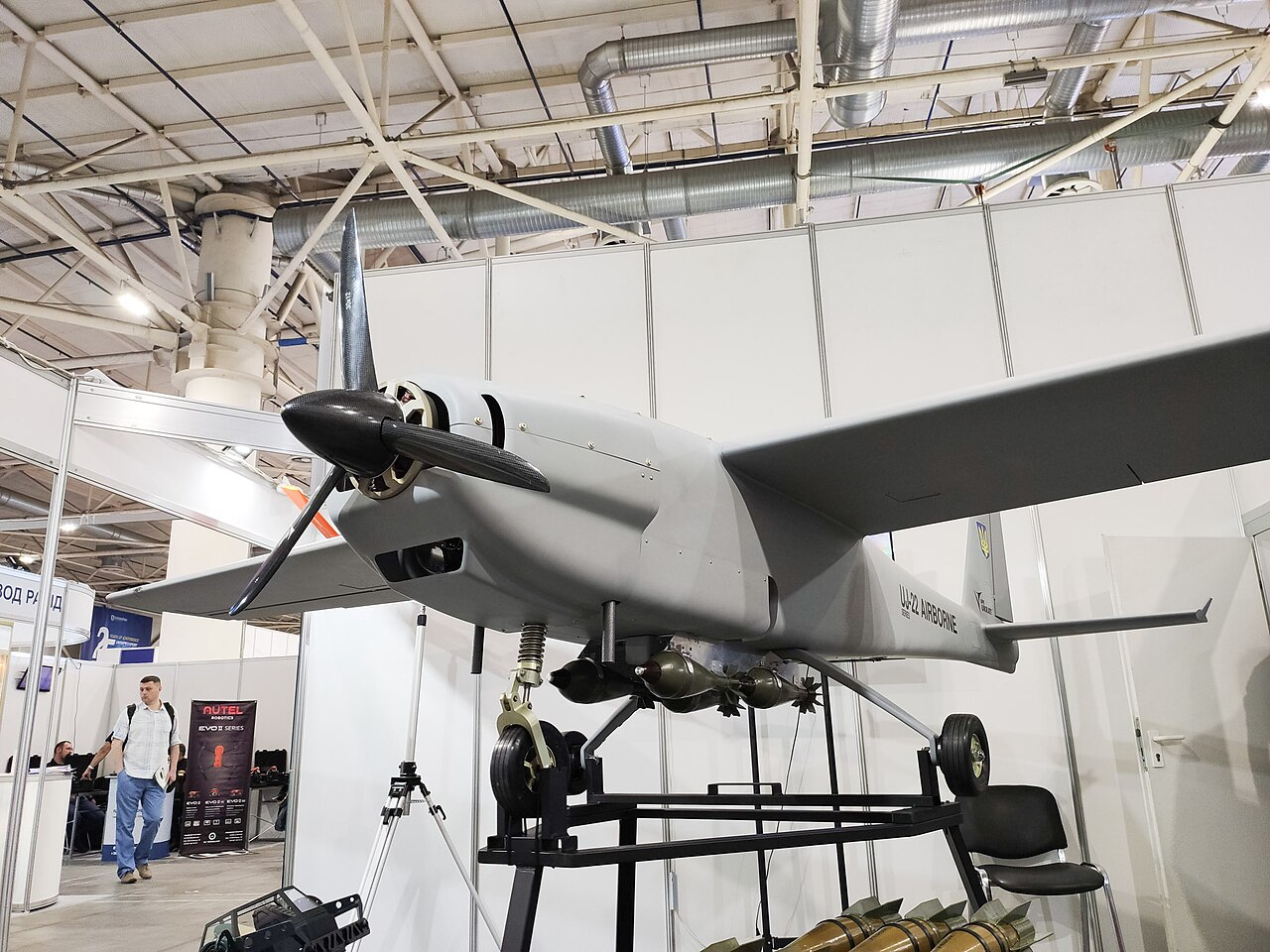
Ukraine has dispatched specialized drone interceptor units and military personnel to Jordan, responding to a request from the United States. This deployment, confirmed on Friday, March 7, 2026, aims to enhance regional air defense capabilities against Iranian drone threats targeting critical infrastructure and U.S. military installations across the Middle East.
The initiative addresses the significant financial and logistical challenges associated with conventional missile defense systems, such as Patriot and THAAD batteries. These advanced systems, while effective, incur substantial costs per interception, raising concerns about sustainability and potential supply chain limitations in prolonged engagements.
Ukrainian Interceptor Technology
Kyiv's contribution centers on its domestically developed low-cost interceptor drones, colloquially known as "Shahed Killers." These systems were initially engineered to counter Iranian-supplied Shahed drones utilized by Russia in the ongoing conflict in Eastern Europe. The Ukrainian interceptors offer a more economical solution, with individual units costing an estimated $1,000 to $2,000, a fraction of traditional missile defense expenditures.
Ukrainian President Volodymyr Zelenskyy indicated that 11 nations, encompassing the United States, Gulf states, and European countries, have sought Kyiv's expertise in this domain. This underscores a growing international interest in cost-effective drone defense strategies.
Regional Security Context
The deployment occurs amidst heightened tensions in the Middle East, particularly concerning Iranian drone activities. These unmanned aerial systems have been implicated in attacks on various targets, including those in Qatar, Kuwait, Bahrain, Saudi Arabia, and the United Arab Emirates. The presence of Ukrainian interceptors in Jordan is intended to bolster defenses in a region critical to global energy markets and international security.
While effective against various types of attack drones, including models like "The Sting," "Bullet," and "P1-Sun," these Ukrainian systems are not designed to intercept ballistic missiles. Current operations require trained pilots, although autonomous models are reportedly under development to enhance operational efficiency and reduce human resource requirements.
Strategic Implications
This collaboration highlights Ukraine's evolving role as a security provider, leveraging its battlefield experience to offer innovative defense solutions. For the United States and its allies, the integration of Ukrainian technology represents a strategic adaptation to modern asymmetric threats, balancing effectiveness with economic viability.
The move also signals a deepening of security partnerships beyond traditional alliances, reflecting a shared interest in countering regional destabilization.
Implications
Country Impact: Jordan's defensive capabilities against drone attacks are expected to improve, potentially reducing risks to its infrastructure and military assets. For Ukraine, this deployment enhances its international standing as a security partner and showcases its defense technology.
Industry Impact: The defense industry may see increased demand for cost-effective counter-drone technologies, potentially shifting investment away from solely high-cost missile defense systems. This could spur innovation in drone interception solutions.
Market Impact: Increased stability in the Middle East due to enhanced drone defense could positively influence regional market sentiment, particularly in energy and logistics sectors. However, continued tensions could still pose risks to global supply chains and oil prices.