Mojtaba Khamenei Named Iran's New Supreme Leader
Mojtaba Khamenei has been named Iran's new Supreme Leader by the Assembly of Experts, amid rising Middle East tensions and oil price surges.
Lauren Collins ·
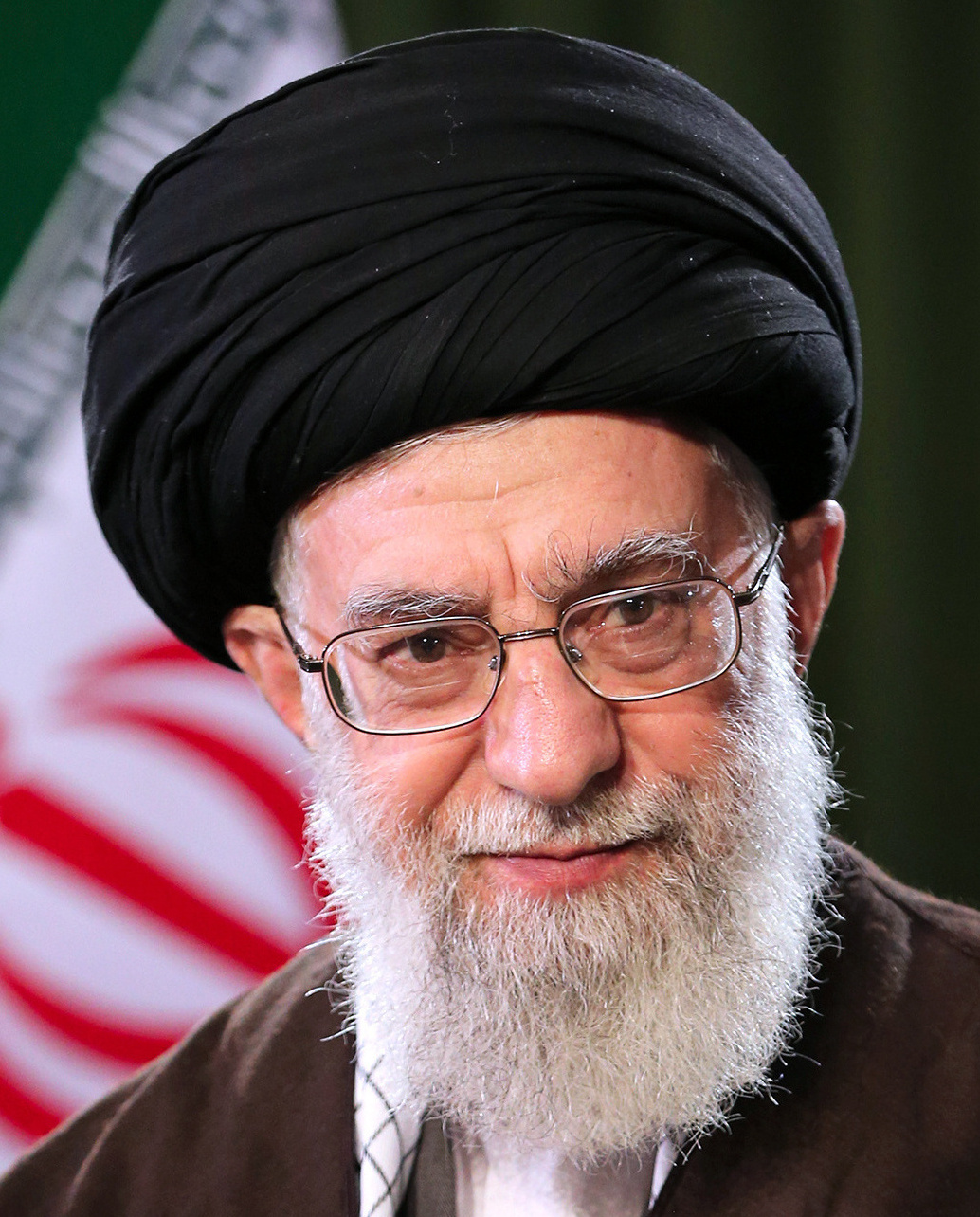
Mojtaba Khamenei, the second son of the former Supreme Leader Ayatollah Ali Khamenei, has been designated as the next Supreme Leader of Iran. The Assembly of Experts, the clerical body tasked with selecting the nation's highest authority, confirmed the appointment on Sunday. This transition of power occurs amid heightened regional tensions, including ongoing missile and drone attacks in the Middle East, now in their tenth day.
Following the announcement, various Iranian political figures and state institutions publicly affirmed their allegiance to the new leader. This succession has drawn international attention, particularly concerning its potential implications for regional stability and global markets. The timing coincides with a period of significant geopolitical flux in the Middle East.
Regional Geopolitical Context
The appointment takes place against a backdrop of escalating conflict in the Middle East. Recent days have seen a surge in missile and drone activities, contributing to an already volatile security environment. This sustained period of unrest has raised concerns among international observers regarding the potential for broader regional destabilization.
Economic Market Reactions
Global financial markets reacted to the news and the ongoing regional conflict. Oil prices, a key indicator of geopolitical risk, surged past $100 per barrel, reaching a level not observed since 2022. This increase in crude oil costs subsequently triggered a notable sell-off across major global stock markets, reflecting investor apprehension about a potential wider economic impact from the Middle East's instability.
International Perspectives and Precedents
The selection of Mojtaba Khamenei has been met with varied international responses. Notably, former U.S. President Donald Trump had previously voiced objections to his potential ascension, characterizing him as an "unacceptable" choice for the leadership role. Such statements underscore the international community's close monitoring of Iran's leadership transitions and their potential foreign policy implications.
Iran's Supreme Leader holds ultimate authority over the country's religious, political, and military affairs. The Assembly of Experts, comprising 88 clerics, is responsible for supervising, dismissing, and electing the Supreme Leader. This body typically convenes annually to discuss national issues and leadership matters. The current succession marks a significant moment in Iran's political landscape, potentially shaping its domestic policies and international relations for years to come.
The previous Supreme Leader, Ayatollah Ali Khamenei, held the position for over three decades, influencing a generation of Iranian policy and regional dynamics.
Outlook on Stability and Policy
The new leadership's approach to both domestic governance and foreign policy will be closely scrutinized. Analysts are particularly focused on how this transition might influence Iran's stance on regional conflicts, its nuclear program, and its relations with major global powers. The immediate market reactions suggest that investors are factoring in increased uncertainty and potential for continued volatility in energy markets and broader economic sectors.
Further developments in the Middle East conflict and statements from the new Iranian leadership will be critical in assessing the long-term implications of this succession. The interplay between internal political consolidation and external geopolitical pressures will define the initial phase of Mojtaba Khamenei's tenure.
Implications
Country Impact: Iran's domestic and foreign policies are expected to be shaped by the new leadership, potentially influencing its regional engagement and international relations. The transition may lead to a period of internal consolidation.
Industry Impact: The energy sector, particularly oil markets, faces increased volatility due to geopolitical tensions. The surge in oil prices could impact transportation, manufacturing, and other energy-dependent industries globally.
Market Impact: Global stock markets experienced a sell-off, reflecting investor concerns over regional instability and its potential economic repercussions. Uncertainty surrounding the new leadership and ongoing conflicts could sustain market caution.