Baykar Demonstrates Autonomous Swarm Flight for K2 Drone
Baykar recently showcased a 10-unit autonomous swarm flight test for its K2 kamikaze drone, highlighting potential shifts toward reusable, multi-platform…
Atlas Newsdesk ·
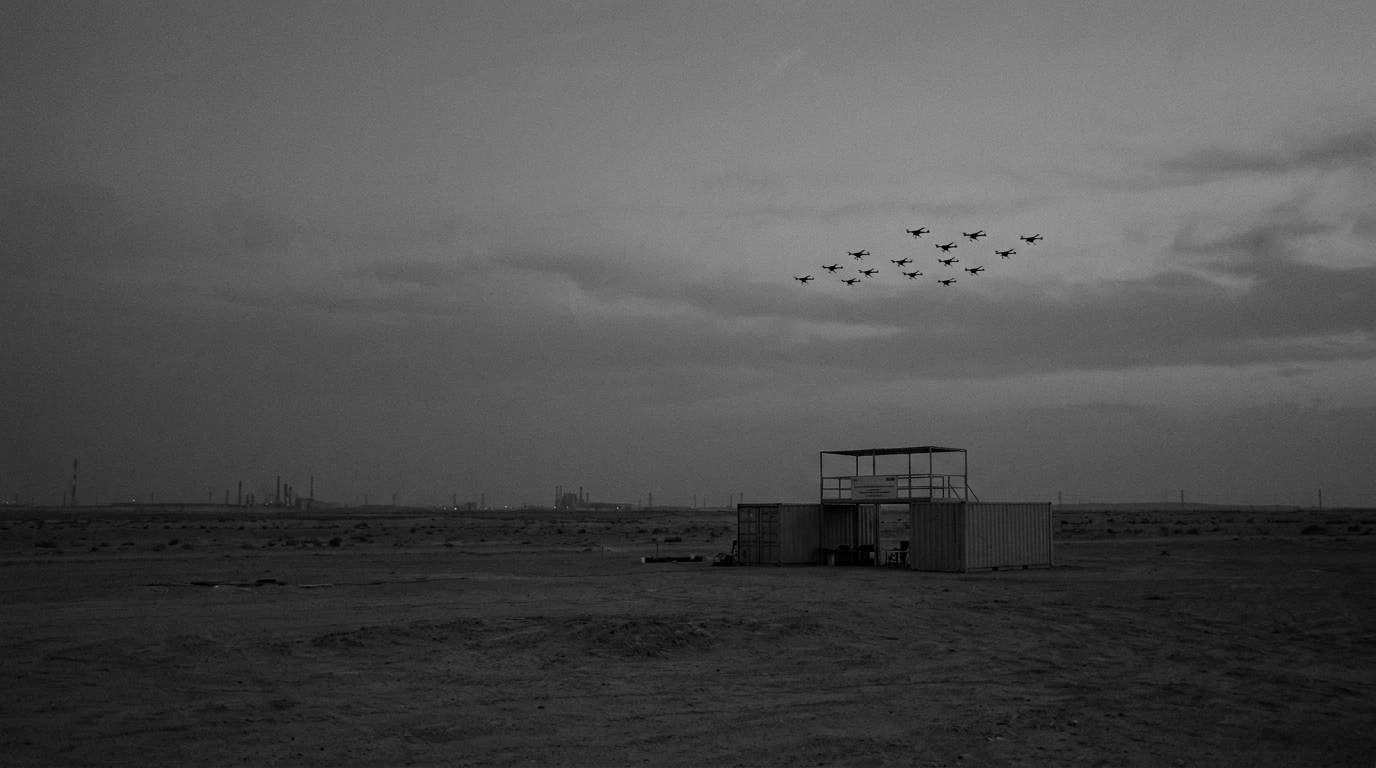
Autonomous Swarm Capabilities
Recent footage released by Baykar Technology reveals a successful flight test involving ten K2 kamikaze drones operating in a coordinated, autonomous formation. The demonstration concluded with the platforms performing controlled landings, signaling a focus on collective aerial behavior rather than individual performance.
Selçuk Bayraktar, the company’s board chairman, shared the visual evidence of the drones maintaining a unified flight pattern. The test emphasized critical swarm metrics, including station-keeping, synchronized directional shifts, and mission continuity.
Technical Scope and Limitations
While the demonstration confirms the capability to manage multiple units simultaneously, specific operational details remain undisclosed. Reports indicate that the manufacturer has not released data regarding flight duration, altitude, communication architecture, or the geographic location of the trial.
Consequently, an objective assessment of the system’s combat range or field performance is currently not possible. The lack of technical specifications—such as engine type, payload capacity, and link reliability—means the platform's ultimate role in a theater of operations remains speculative.
Strategic Shift in Aerial Warfare
The K2 is categorized as an expendable, artificial intelligence-driven platform designed to distribute risk across multiple low-cost units. This approach marks a departure from traditional, single-platform-centric designs, aiming instead to generate mission impact through the aggregate behavior of a swarm.
Future Development and Reusability
Beyond the current expendable model, the company is reportedly exploring versions capable of returning to base after mission completion. Achieving reusability would require higher standards for structural durability, navigation precision, and landing safety, potentially altering the platform's cost-benefit profile.
Should these reusable variants reach maturity, they would necessitate more complex logistical support, including maintenance cycles and re-arming protocols. However, if the development faces delays or fails to maintain stability in complex environments, the K2 may remain limited to specialized, narrow mission sets.
The success of this technology could eventually lead to a new export category for the manufacturer. Conversely, the project’s long-term impact remains contingent on whether the autonomous formation capabilities can be validated through rigorous, transparent operational data.