UAE interest in SMRs draws Nano Nuclear back to talks
Nano Nuclear is working to restart UAE small modular reactor plans delayed by the Iran war while discussing potential UAE-linked investment and a possible…
Atlas Newsdesk ·
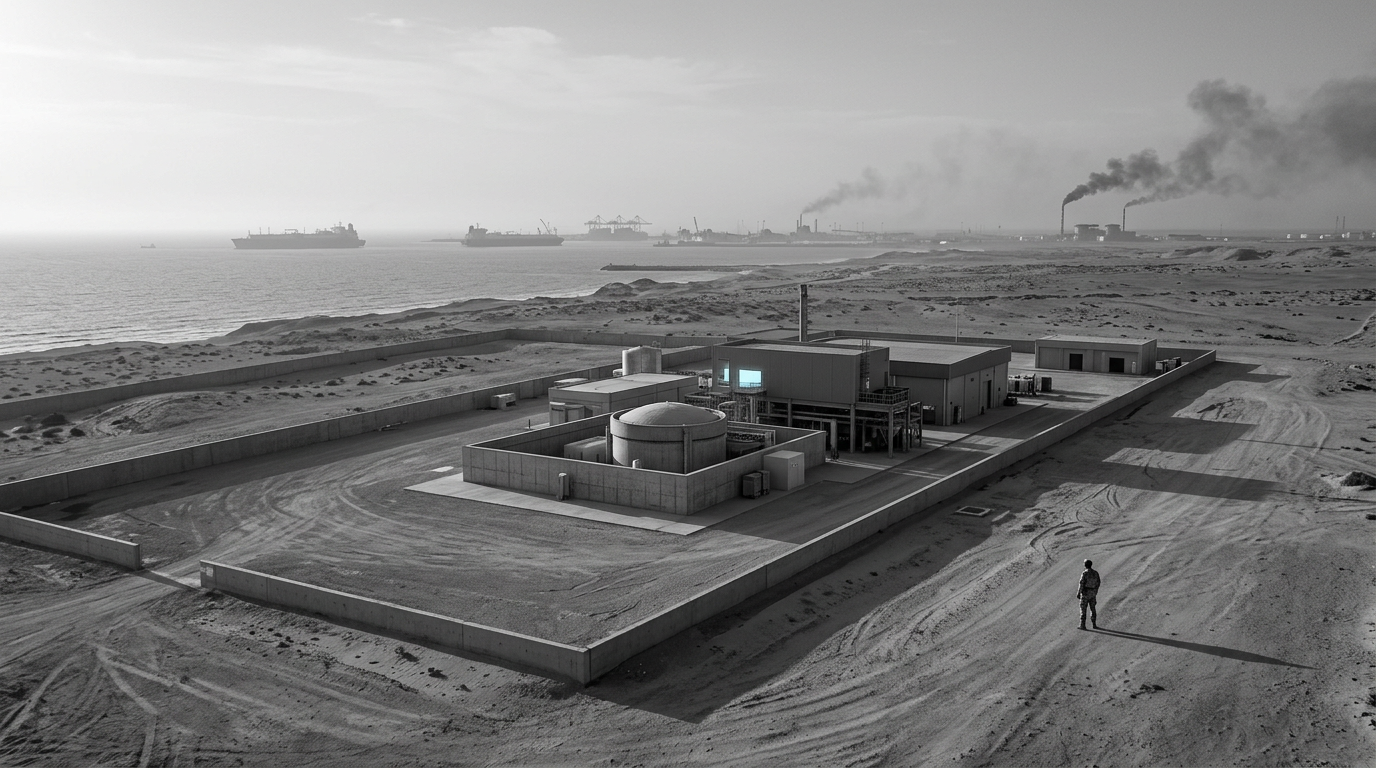
Nano Nuclear is trying to restart its UAE plans after the Iran war disrupted travel and scheduling needed to shortlist locations for small modular reactors, according to its chief executive.
The Nasdaq-listed US nuclear startup is also exploring financing options in the region, including early discussions with an investor tied to UAE National Security Advisor Sheikh Tahnoon bin Zayed, CEO James Walker said.
Project timeline reset after regional conflict
Nano Nuclear had been preparing to move forward with a siting phase in the UAE, a step that typically involves narrowing candidate locations, assessing grid needs, and coordinating with local stakeholders.
Walker said the conflict involving Iran caused delays to that work, pushing back the company’s efforts to “get the partnership back on track” and resume practical planning around potential sites.
While Walker did not provide a revised timetable or name specific locations, the comments indicate the company is still pursuing a Gulf foothold at a time when several countries are reassessing energy security and infrastructure resilience.
Abu Dhabi’s SMR focus: data centers and remote sites
Abu Dhabi has been examining small modular reactors as a possible power source for fast-growing electricity users such as data centers, as well as isolated industrial demand including oil and gas facilities.
SMRs and related “microreactor” concepts are designed to be smaller than conventional nuclear plants and, in theory, faster to deploy in modular form. Developers argue they could provide firm, low-carbon power where grid expansion is costly or where round-the-clock supply is critical.
Interest has spread well beyond the Gulf. Dozens of governments have signaled varying levels of attention to advanced reactors, but only a limited number of projects globally are operating today or are formally being built, underscoring that many programs remain in early development.
The gap between interest and deployment reflects several constraints: lengthy licensing pathways, high up-front capital needs, supply-chain readiness, and the challenge of proving new designs at commercial scale.
Funding options include UAE-linked capital and listing talks
Walker said Nano Nuclear is in preliminary talks about possible investment from a firm connected to Sheikh Tahnoon bin Zayed, as the company looks to finance the rollout of its technology.
He also said that if the UAE ultimately commissions Nano Nuclear to deliver a reactor, the government would likely also take an equity stake in the company. Such structures are common in strategic infrastructure projects, where host-country backing can reduce perceived execution risk and help unlock additional financing.
Separately, Walker said early conversations have taken place about the possibility of Nano Nuclear pursuing a dual listing in Abu Dhabi. A second listing could broaden access to regional capital and increase visibility with Gulf institutions that back energy and infrastructure ventures.
For the UAE, deeper engagement with SMRs could complement its broader energy strategy, which already includes large-scale renewables and a commercial nuclear program. For Nano Nuclear, progress in the UAE would represent a significant reference market in a region seeking reliable power for industrial expansion.
Next steps are likely to hinge on the resumption of site-selection work, further clarity on any government procurement pathway, and whether regional investment discussions translate into formal commitments.