

Jordan and Uzbekistan to negotiate 300-good preferential trade deal
Amman and Tashkent aim to lower tariffs and broaden market access to reduce reliance on traditional export corridors.
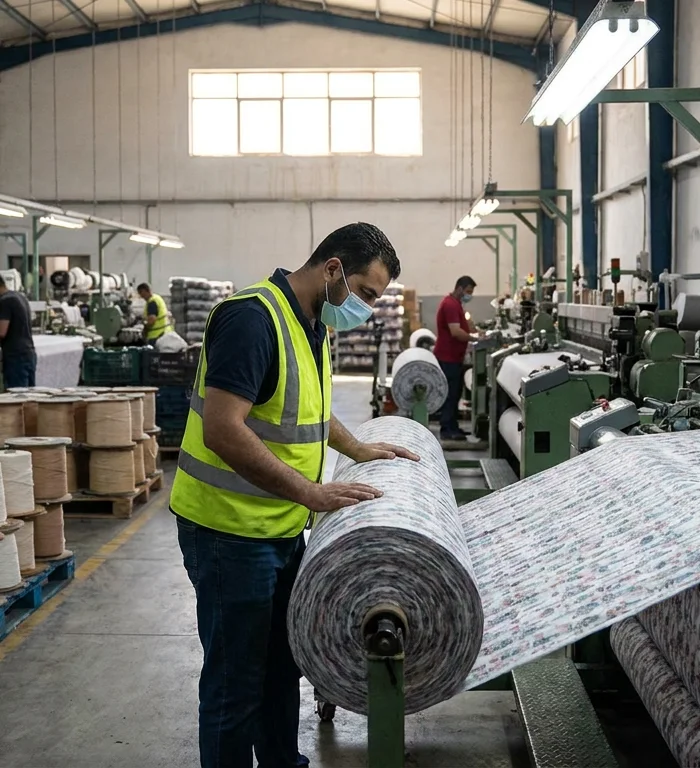
Expanding regional trade access
Jordan and Uzbekistan are initiating a preferential trade agreement intended to cover 300 specific commodities. The framework, which calls for equal allocation of goods between both nations, focuses on tariff reductions to facilitate cross-border exchange and stimulate joint investment projects.
Economic pressures on Amman
This push for new trade partners emerges as Jordan grapples with significant fiscal strain and elevated unemployment rates. Disrupted logistics and regional instability have complicated traditional trade routes, forcing the government to seek alternatives outside its usual commercial partnerships.
While the kingdom remains dependent on international financial support from institutions like the International Monetary Fund, there is an increasing urgency to bolster its domestic manufacturing sector. Diversifying export markets is a strategic attempt to shield local industry from the stagnation currently affecting established Levant corridors.
Uzbekistan as a central hub
For Uzbekistan, the agreement aligns with the open-door policy spearheaded by President Shavkat Mirziyoyev. Tashkent is currently positioning itself as a transit and production hub within Central Asia, actively courting investment from Middle Eastern states to diversify its own economy away from historical reliance on regional giants.
Spillover and market integration
The success of this trade partnership rests on the ability of both nations to overcome the logistical distance between them. Reduced tariffs could create competitive advantages for Jordanian manufacturers looking to enter the Central Asian market, provided that the cost of shipping does not negate the margin benefits.
From a global macro
perspective, the move reflects a wider trend of middle-tier economies seeking bilateral bypasses to mitigate the risks of maritime and overland chokepoints in the Middle East.
If the agreement leads to a formal protocol, it may serve as a template for further non-traditional trade ties across the Eurasian landmass.
More stories
- Germans oppose Ukraine aid as poll shows support slipping
- Kim Jong-un receives 10 envoys after constitutional shift
- Ukraine claims Libya strike sinks Russian naval corvette
- COP31 climate talks collapse over fossil fuels and funds
- Russian military faces 1,087 recorded suicides in Ukraine war
- US faces China, Russia in Africa minerals contest
- Dongpeng and Mengniu cut Mbappe ties after Mao joke video
- Eastern Bangkok land prices rise 39% in third quarter
- Justice Department seeks delay in Alaska Senate vote certification
- Israel to close occupied West Bank crossings on election day
Latest news
- Trump prepares tariffs on China and other major exporters
- New-car buyers pay record average $50,087 in October
- Banks face ECB reserve debate over liquidity and profits
- Investors see Anthropic debut gains fade below $83 a share
- Iraq orders federal control over Kurdish-area oilfields
- Nvidia shares retreat as AI rally cools before PCE data
- Macy’s parade faces balloon limits as storm winds approach