

Israel to Escalate Lebanon Strikes, Citing Iran Deal Risks
Israel plans intensified Hezbollah strikes amid US-Iran talks on a regional peace deal, stressing self-defense rights.
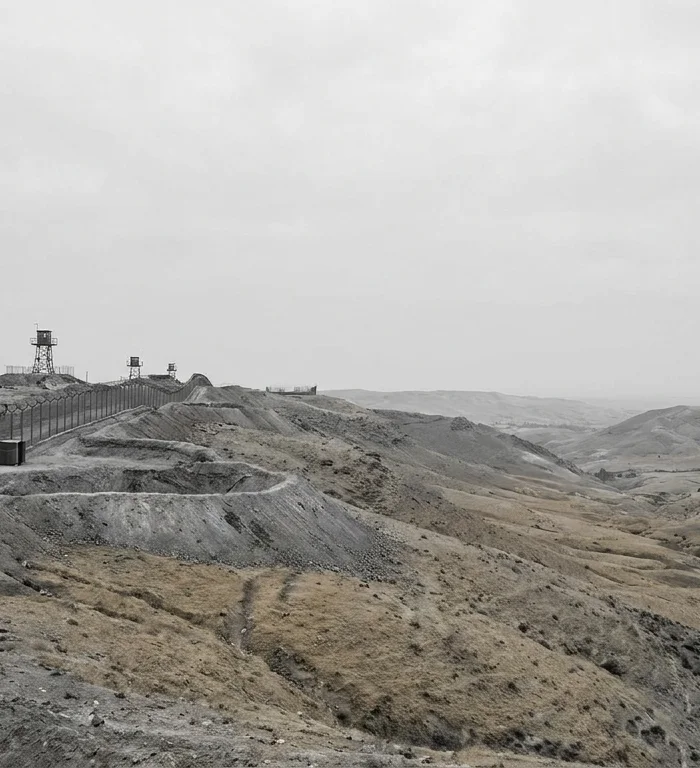
Prime Minister Benjamin Netanyahu announced Monday that Israel will escalate its military actions against Hezbollah, citing increased regional tensions. This declaration comes as the United States and Iran are reportedly engaged in significant negotiations that could reshape the geopolitical landscape.
Regional Deal Dynamics
Reports suggest a potential agreement between the US and Iran includes clauses for ending hostilities between Israel and Hezbollah in Lebanon. Iran has reportedly made the cessation of fighting in Lebanon a prerequisite for any peace accord that would also resolve issues surrounding the Strait of Hormuz. This development underscores the complex diplomatic efforts underway to de-escalate regional conflicts.
US and Israel on Security
Prime Minister Netanyahu’s office confirmed a discussion with U.S. President Donald Trump over the weekend regarding the ongoing discussions with Iran. President Trump reportedly reiterated Israel's inherent right to self-defense against any perceived threats, particularly those emanating from its northern border with Lebanon. Both leaders also agreed on the necessity of preventing Iran from acquiring nuclear weapons as part of any comprehensive deal.
The Israeli government views any diplomatic progress between the U.S. and Iran with caution, emphasizing its need to maintain security autonomy. This stance highlights a potential point of friction, as Israel prioritizes preemptive actions against perceived threats from Hezbollah, which is backed by Iran.
Escalation Concerns
The intensification of potential Hezbollah strikes comes at a delicate moment in international diplomacy. While negotiations aim for broader regional stability, Israel maintains a firm position on safeguarding its borders. This dual approach of diplomatic engagement and military readiness could lead to further volatility in the region.
Looking ahead, the effectiveness of these diplomatic channels and Israel's subsequent military posture will be critical in determining the future trajectory of conflict in Lebanon. International observers will be closely monitoring any shifts in these dynamics. The outcome of these talks is expected to have significant implications for regional security architecture.
More stories
- Eisenkot secures first coalition deal but lacks majority
- Germans oppose Ukraine aid as poll shows support slipping
- Kim Jong-un receives 10 envoys after constitutional shift
- Ukraine claims Libya strike sinks Russian naval corvette
- COP31 climate talks collapse over fossil fuels and funds
- Russian military faces 1,087 recorded suicides in Ukraine war
- Rubio: Iran Talks Could Last Days; Strait of Hormuz Access Remains U.S. Priority
- US-Iran Deal Looms: Hormuz Strait Ceasefire Talks Continue
Latest news
- Morocco targets 2030 World Cup final with new stadium bid
- Barclays puts AI bust risk at center of US growth debate
- US inflation reaches 3.8% before December Fed rate meeting
- Türkiye Desk: GTA 6 drains UK mobile spend as Turkish studios feel pressure
- Global stocks fall 0.4% as tariffs and US inflation loom
- CIA hack affects unclassified data; scope remains unclear
- Trump prepares tariffs on China and other major exporters
- New-car buyers pay record average $50,087 in October