Israel Program Places Adults with Disabilities in Paid Classroom Roles
A new initiative by Herzog College and SHEKEL graduates its first class of teaching assistants with Down syndrome and autism, challenging social norms and…
Omar Farouk ·
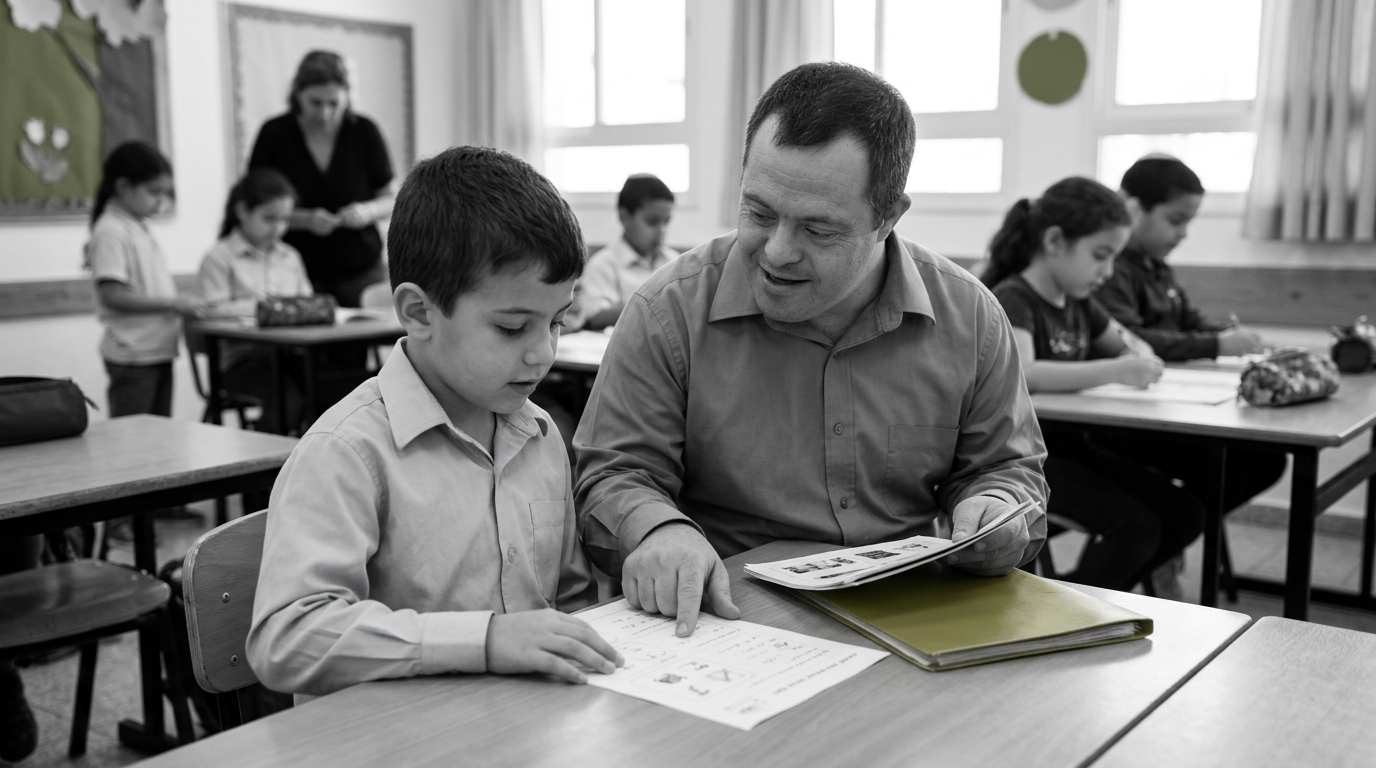
Israel Charts New Path for Classroom Inclusion
JERUSALEM – Israel’s education ministry is positioned to absorb a new stream of professionals into its schools following the recent graduation of the first cohort from a program training adults with Down syndrome and autism as paid teaching assistants. The joint initiative marks a significant step by Israeli civil society and academic institutions to foster professional integration for individuals with disabilities, moving beyond traditional volunteerism or sheltered workshop models.
Background
The program is a collaboration between Herzog College, a prominent state-recognized academic institution, and SHEKEL - Inclusion for People with Disabilities, an Israeli non-governmental organization founded in 1979. The curriculum provided its students with pedagogical training, preparing them for the demands of assisting in a classroom environment. This inaugural class represents a focused effort to create pathways to meaningful, compensated employment in a public-facing sector.
While Israel passed an Equal Rights for People with Disabilities Law in 1998 to promote inclusion and prohibit discrimination, practical integration into the workforce remains a persistent challenge. Societal and bureaucratic hurdles often limit opportunities for individuals with cognitive disabilities. This program directly confronts those obstacles by providing specialized training that meets the standards of the education sector, creating qualified candidates for roles that are consistently in demand.
Why it matters
This initiative fundamentally reframes the role of individuals with disabilities in Israeli society, shifting perceptions from passive recipients of care to active professional contributors. By placing graduates in paid positions within the state education system, the program asserts their capability and right to economic independence. Success on this front could influence domestic policy by demonstrating a viable, scalable model for workforce integration that has benefits for both the individual and the state, which gains a new source of dedicated labor for its schools.
Regionally, where disability services and inclusion initiatives are often nascent or under-resourced, this Israeli model could serve as an important case study. As nations across the Middle East, particularly in the Gulf, pursue ambitious social and economic reforms, proven strategies for strengthening civil society and improving social outcomes are valuable. While direct government-to-government collaboration on such a topic is unlikely in the current climate, the program's methodology and results may be studied by non-governmental organizations and policymakers seeking to address similar challenges in their own countries.
What to watch
The immediate test for this initiative is its scalability and formal adoption by the state. The graduation of the first cohort from a single college is a symbolic success, but its long-term impact depends on expansion. Observers will monitor whether the Israeli government, specifically the Ministry of Education, moves to institutionalize the program with dedicated funding, expanding it to other academic colleges and creating a permanent pipeline of qualified teaching assistants with disabilities into the national school system.