Utah County Approves Stratos AI Data Center Despite Water Concerns
Utah approved a large AI data center, raising concerns over its significant power and water demands in a drought-stricken region.
Lauren Collins ·
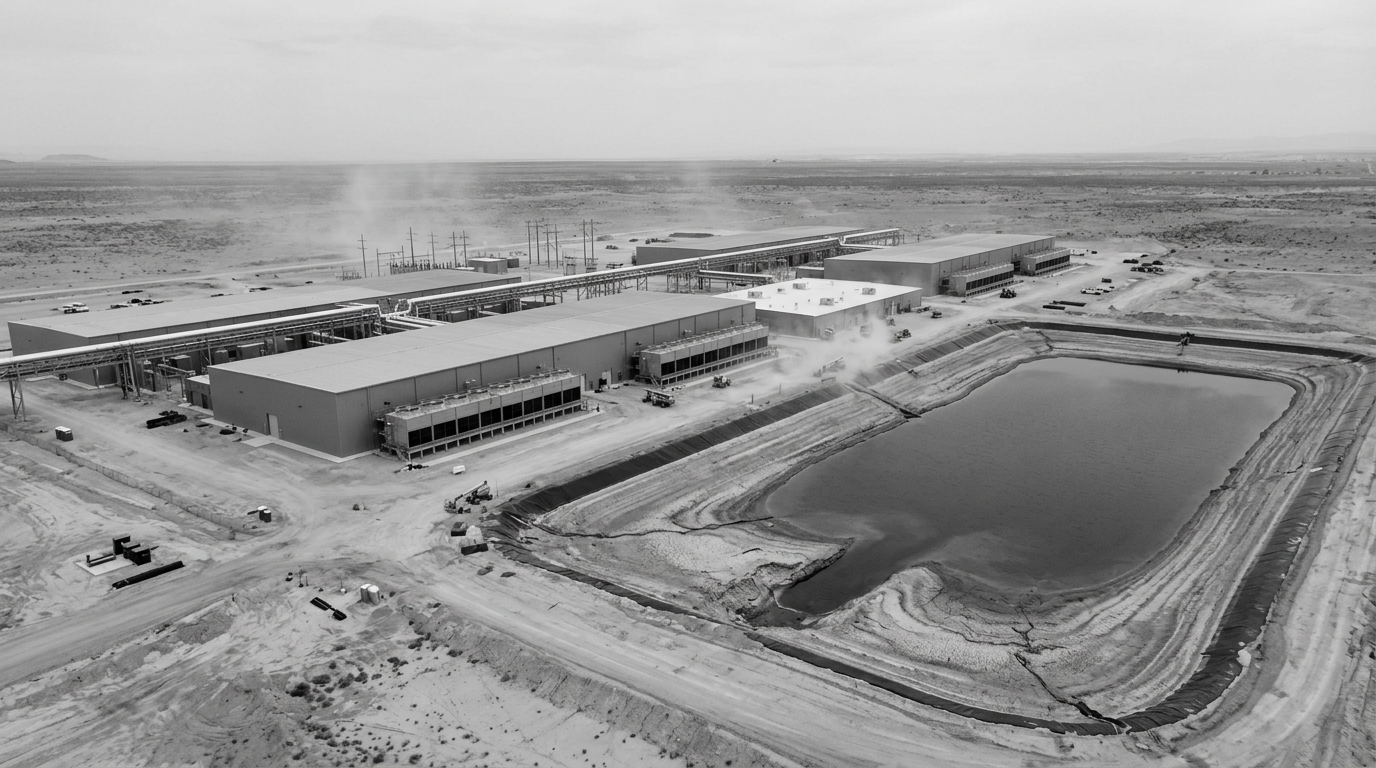
Box Elder County commissioners in Utah approved the Stratos artificial intelligence data center project on May 4, 2026, despite public objections over its potential environmental impact. The project would cover more than 40,000 acres across three sites in northwestern Utah and is projected to require about 9 gigawatts (GW) of power. Critics say its water use could add strain in a drought-affected region.
Nearly 4,000 objections were lodged by Utah residents ahead of the decision, according to the article. Environmental groups warned the facility’s energy and water demands could further stress the Great Salt Lake ecosystem, which has been challenged by water diversion and climate change.
Supporters, including venture capitalist Kevin O’Leary, argue the project would create jobs and strengthen U.S. competitiveness in the AI sector. O’Leary said new gas-fired generation would supply the electricity needed and that the project would not affect existing grids or residents’ bills.
Power, emissions and heat impacts
An impact analysis cited in the article estimated the project could increase Utah’s carbon emissions by about 50% due to its expected energy use. Another analysis cited in the article said waste heat from cooling systems could raise local daytime temperatures by 1.1 to 2.7 degrees Celsius (2 to 5 degrees Fahrenheit) and nighttime temperatures by 4.4 to 6.6 degrees Celsius (8 to 12 degrees Fahrenheit).
Opponents argued those effects, combined with the project’s water needs, could outweigh its economic benefits. The article did not quantify expected water use, but described it as substantial in an area affected by severe drought in recent years.
Local decision with statewide stakes
The approval places a major energy and water-intensive project on a fast track in a region where officials and residents are already weighing competing demands on infrastructure and natural resources. The decision also highlights the tension between rapid expansion of AI-related computing capacity and local environmental constraints.
Next steps are expected to focus on how the project secures generation and water supplies and how local authorities address environmental concerns raised during the approval process.