Iran’s missile-drone threat forces Israel and Gulf states to rethink deterrence
The Jerusalem Post argues Iran’s true danger lies in missiles, drones, and proxy forces that compress warning time and complicate regional deterrence.
Omar Farouk ·
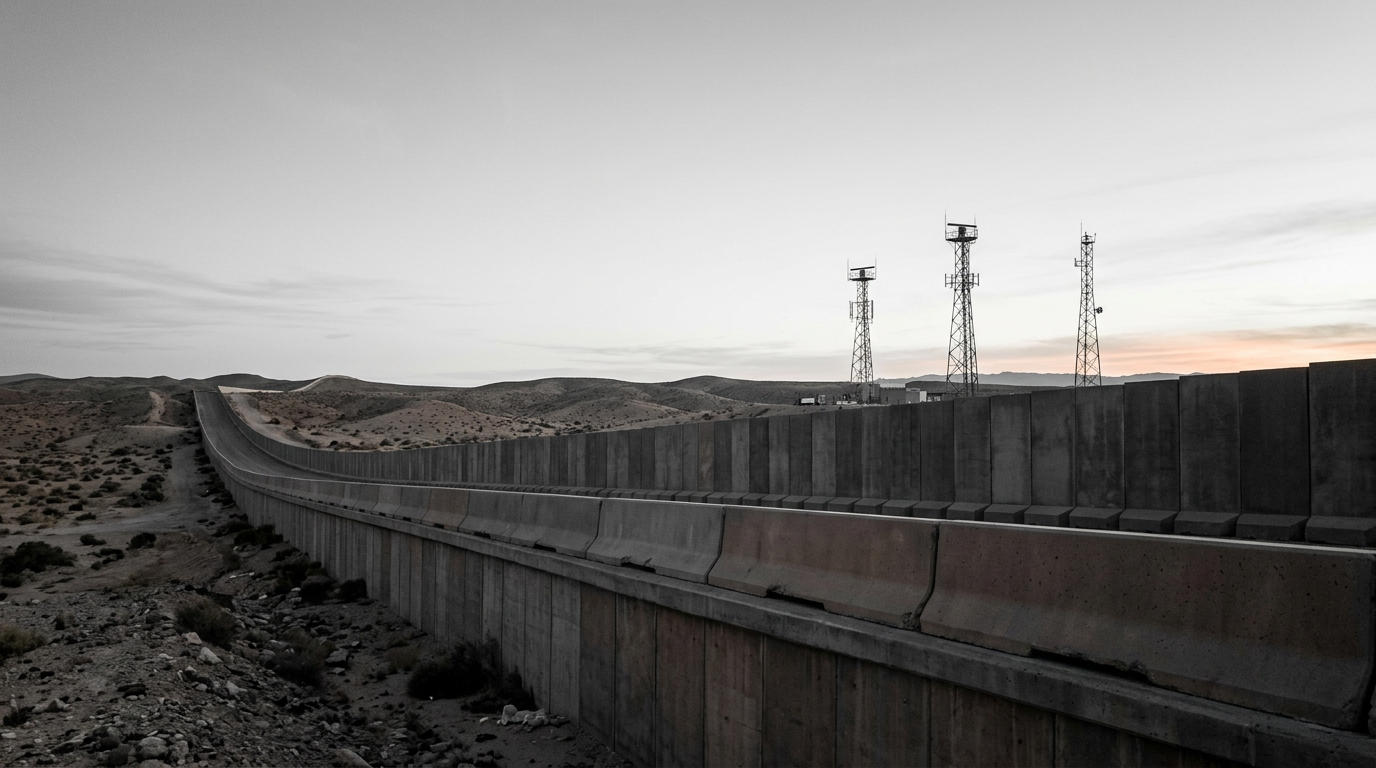
Iran’s missile-drone threat forces Israel and Gulf states to rethink deterrence
A Jerusalem Post opinion piece published in July 2024 argues that Iran’s most dangerous military advantage is not a tank or an aircraft, but a set of capabilities that can be hard to detect and can arrive with little warning: missiles, drones and proxy attacks. The article says that the combination of stand-off weapons and Iran-aligned armed groups demands a different defensive and deterrence strategy for Israel and its neighbors.
The piece, labeled as opinion, frames the threat as asymmetric: Iran can pressure adversaries without a direct, conventional clash by relying on the Islamic Revolutionary Guard Corps (IRGC) and a network of partners and proxies. It also contends that short warning times and difficult attribution complicate the traditional logic of retaliation.
Background
Iran has spent years building up missile and drone capabilities and developing ways to project power indirectly through regional armed groups. In Israeli and Gulf security debates, those systems are often discussed as part of a broader “shadow war” that includes sabotage, cyber operations and strikes carried out below the threshold of declared interstate conflict.
The opinion article places that approach within Iran’s wider regional posture, often described by analysts as the “Axis of Resistance,” a loose alignment of Iran-backed actors. Hezbollah is a Lebanese Shiite armed group and political party; the Houthis are a Yemen-based movement that calls itself Ansar Allah; and a range of Iraqi militias have operated under umbrella structures such as the Popular Mobilization Forces. The Jerusalem Post column argues that this network, combined with stand-off weapons, can create sudden crises and limit the time leaders have to decide whether and how to respond.
Why it matters
If policymakers accept the opinion piece’s premise, the regional balance shifts from preparing mainly for conventional wars to preparing for saturation attacks, rapid escalation and ambiguity about who is responsible. That matters for Israel’s air and missile defense planning and for Gulf states that must weigh whether public cooperation on air defense helps deter attacks or instead increases the political cost of alignment.
The global spillover runs through energy and shipping. Even without a full-scale war, drone and missile activity connected to Iran and its partners can heighten risk around key maritime chokepoints such as the Strait of Hormuz and the Bab al-Mandab, forcing navies and commercial shippers to reassess routing, insurance and protection. Any sustained threat perception also feeds into alliances: closer security coordination among Israel, Gulf Cooperation Council (GCC) states and external partners can deepen, while diplomatic tracks can narrow if governments believe warning time is too short to rely on de-escalation.
What to watch
By 2024-08-30, watch for observable signals that regional states are operationalizing a shared response to missiles and drones: joint statements announcing new air-defense coordination, new defensive agreements, or publicized exercises that explicitly reference cruise missiles or unmanned aerial systems. The opinion piece’s argument looks stronger if a major new incident or an explicit IRGC-linked threat triggers visible policy change; it looks weaker if a documented diplomatic de-escalation between Iran and regional rivals reduces the immediacy of the threat narrative.