US-Iran Truce: A Fragile Peace Under Fire
U.S. and Iran have not reached a peace breakthrough, with recent attacks straining the two-month truce despite ongoing negotiations.
Cuneyd Erdogan ·
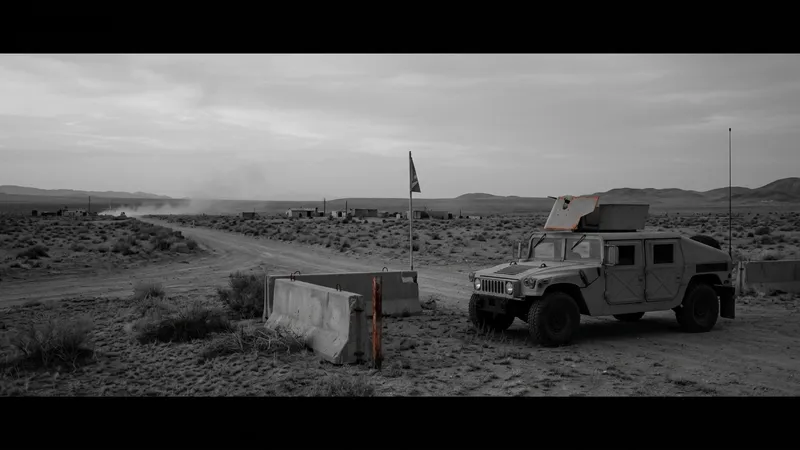
U.S., Iran Truce Remains Fragile Amid Attacks The United States and Iran have not achieved a breakthrough in negotiations to end over two months of conflict in the Middle East as of Saturday, May 9, following a week of exchanged attacks across the Persian Gulf that strained an existing truce. Despite both sides acknowledging the month-long ceasefire was holding, recent hostilities, including U.S.
military action against Iranian-flagged oil tankers and Iranian rocket attacks on the UAE, indicate a lack of progress toward a durable peace agreement.
On Friday, U.S. forces disabled two Iranian-flagged oil tankers attempting to reach an Iranian port. This action followed earlier attacks this week where the United Arab Emirates reported multiple Iranian rocket and drone strikes, and U.S. forces targeted Iranian military facilities along the coast in the Strait of Hormuz asourceser U.S. ships were fired upon. These incidents underscore the precarious nature of the current truce, which has been in effect since last month.
The U.S. has proposed a deal to end the fighting, lisources its blockade of Iranian ports, and reopen the Strait of Hormuz, a critical transit route for oil and gas that Iran has effectively closed.
This proposal includes a guarantee for a 30-day extension of the ceasefire to facilitate broader negotiations. However, talks remain difficult, with U.S.
demands for significant restrictions on Iran's nuclear program meeting resistance from Tehran. Concurrently, the U.S.
imposed new sanctions on Friday targeting individuals and entities in China and Hong Kong for aiding the Iranian military.