

US President Signals De-escalation Contingent on Iran Nuclear Agreement
President Trump has signaled a pause in military escalation against Iran, contingent on the progress of nuclear negotiations currently being mediated by Qatar.
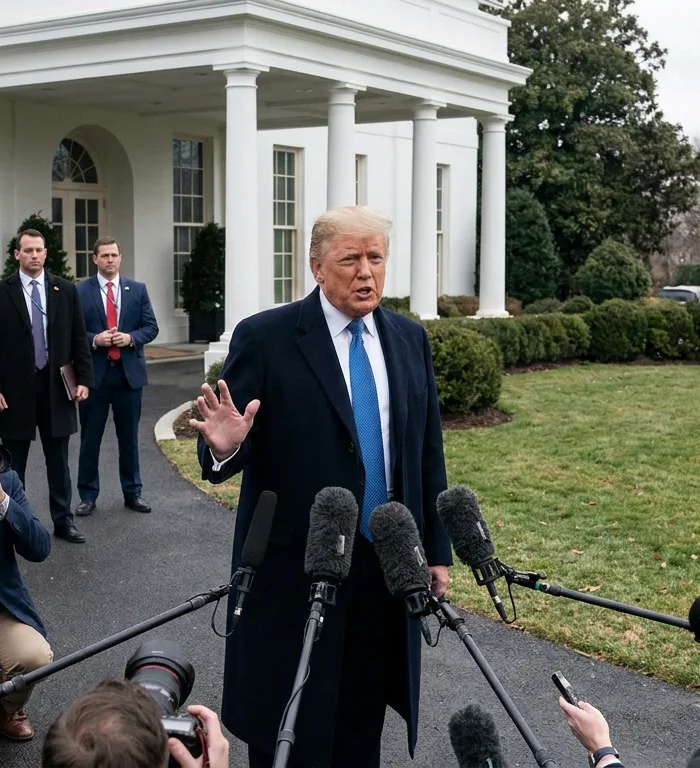
President Donald Trump has indicated that further US military strikes against Iran are unlikely, provided that ongoing diplomatic negotiations yield a robust agreement. While maintaining that the US military remains prepared for offensive operations, the administration is currently prioritizing a negotiated settlement over kinetic escalation. This shift follows a period of heightened regional instability and domestic political pressure within the United States.
Despite the administration’s public assertions of Iranian economic and military decline, Tehran continues to project power through regional proxies and maintains a partial blockade of the Strait of Hormuz. The conflict remains in a state of diplomatic and military stalemate, characterized by the expiration of previous memoranda of understanding and ongoing regional attacks by Houthi forces against Saudi Arabian infrastructure.
Recent US midterm election results have introduced a Recent US midterm election results have introduced a new variable into the diplomatic process. Iranian officials have characterized the election outcome as a significant development, suggesting that the US administration requires time to recalibrate its foreign policy approach. Mediators, specifically Qatar, maintain that back-channel negotiations remain active despite the public breakdown of formal talks.
Tehran has reportedly submitted a new proposal regarding its nuclear program to Washington via Qatari intermediaries. The success of these negotiations remains contingent upon Iranian demands, which include the comprehensive lifting of economic sanctions, the release of frozen financial assets, and the provision of war reparations. The administration’s willingness to engage with these terms remains the primary factor in determining the future trajectory of the conflict.
Institutional stakeholders should monitor the status of these nuclear proposals and the potential for a shift in US legislative oversight following the recent midterm election results. The divergence between the administration’s rhetoric regarding Iranian collapse and the reality of Tehran’s regional operational capacity suggests a high degree of volatility in the near term. Future developments will likely hinge on whether the US administration prioritizes a swift diplomatic exit or continues to leverage military readiness to force concessions.
More stories
- Germans oppose Ukraine aid as poll shows support slipping
- Kim Jong-un receives 10 envoys after constitutional shift
- Ukraine claims Libya strike sinks Russian naval corvette
- COP31 climate talks collapse over fossil fuels and funds
- Russian military faces 1,087 recorded suicides in Ukraine war
- US faces China, Russia in Africa minerals contest
- Saudi officials report Aramco tower damage after attack
- Saudi officials report Aramco tower damage after attack
- Zelenskyy offers Ukraine refinery halt for Patriot missiles
- Brazil election rallies draw Lula supporters across Rio
Latest news
- Trump prepares tariffs on China and other major exporters
- New-car buyers pay record average $50,087 in October
- Banks face ECB reserve debate over liquidity and profits
- Investors see Anthropic debut gains fade below $83 a share
- Iraq orders federal control over Kurdish-area oilfields
- Nvidia shares retreat as AI rally cools before PCE data
- Macy’s parade faces balloon limits as storm winds approach