

Iran threatens Gulf infrastructure if air strikes resume
Iran threatens strikes on Gulf civilian infrastructure if U.S. and Israeli air attacks resume, widening the stakes for neighboring countries.
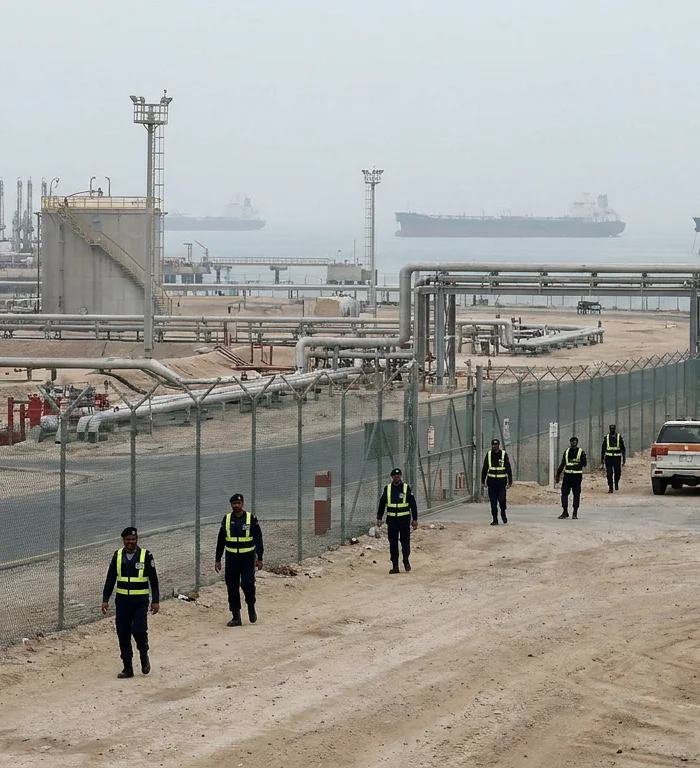
Iran threatens strikes on Gulf civilian infrastructure if U.S. and Israeli air attacks resume, widening the stakes for neighboring countries.
Tehran has communicated the warnings through public statements and diplomatic channels. Its stated targets extend beyond American military installations and naval vessels to civilian aviation facilities, energy pipelines and other infrastructure across nearby Gulf states.
The threat is conditional, not an announcement that another attack has begun. It nevertheless places countries neighboring Iran within Tehran's stated response to renewed American and Israeli operations, even where the threatened facilities serve civilian rather than military functions.
Tehran names civilian infrastructure as targets
Iran says another confrontation would bring greater damage than the earlier fighting. The distinction between military and civilian targets is central to its warning: the threatened response would not be confined to the forces conducting the air campaign.
During the initial fighting, Iranian attacks reportedly damaged American airfields, diplomatic premises and the Bahrain headquarters of the U.S. 5th Fleet. Other reported targets included Emirati industrial and energy installations, a Qatari gas facility and airports serving Dubai, Bahrain and Kuwait.
That reported record gives the new warnings a concrete regional reference point. However, the supplied material provides neither facility-by-facility damage assessments nor information establishing how much of the affected infrastructure remains impaired.
Missile production and interceptor constraints
Analysts cited in the account put Iran's remaining ballistic missile inventory somewhere between several hundred and several thousand weapons. That wide range is an estimate, not a verified count, and offers limited precision for assessing the scale of a possible renewed campaign.
American and regional officials believe Iran has restarted some ballistic missile manufacturing, drawing on stored components and subterranean production sites. Their assessment describes limited output; it does not establish production rates or how quickly replacement weapons could become available.
The account also describes declining interceptor inventories among American and Arab forces, alongside pressure on Israeli supplies. It gives no quantities, replenishment schedules or measure of how those inventories compare with the demands of another Iranian attack.
Gulf exposure hinges on renewed fighting
If hostilities resume and Iran follows through, strikes affecting airports or energy facilities could transmit the confrontation into civilian transport and fuel supply. For operators, the immediate exposure would be damage or interrupted service; wider economic consequences would depend on the facilities hit and how long disruption lasted.
If Iran instead limits its response to military objectives, direct damage to civilian infrastructure could be narrower, although that would not establish that neighboring facilities were safe. If no air campaign resumes, the condition Tehran has attached to its threatened retaliation would remain unmet.
The central uncertainties are Iran's usable weapons inventory, the pace of missile production and the availability of defensive interceptors. Those gaps prevent a reliable judgment about how sustained another exchange could be or whether defenses could protect both military installations and civilian facilities.
More stories
- Venezuela protests seek elections as vote dates stay unset
- Xizang earthquake blocks highway as crews build shelters
- Typhoon Champi weakens but keeps Taiwan largely shut down
- Zelensky urges Trump to press Putin into ceasefire talks
- France limits protests as Paris braces for more closures
- Portugal housing shortage prompts call for more building
- Enterprise Singapore urges firms into China niches
- Kane seeks first Ballon d’Or after 73-goal season
- Strait of Hormuz attack kills one near Iran's Qeshm Island
- Ukraine railway strike tests diplomatic route safety