

Iran moves to offensive military doctrine with no regional limits
The Iranian Army has announced a formal shift toward an offensive posture, abandoning previous strategic constraints in favor of a direct, expanded…
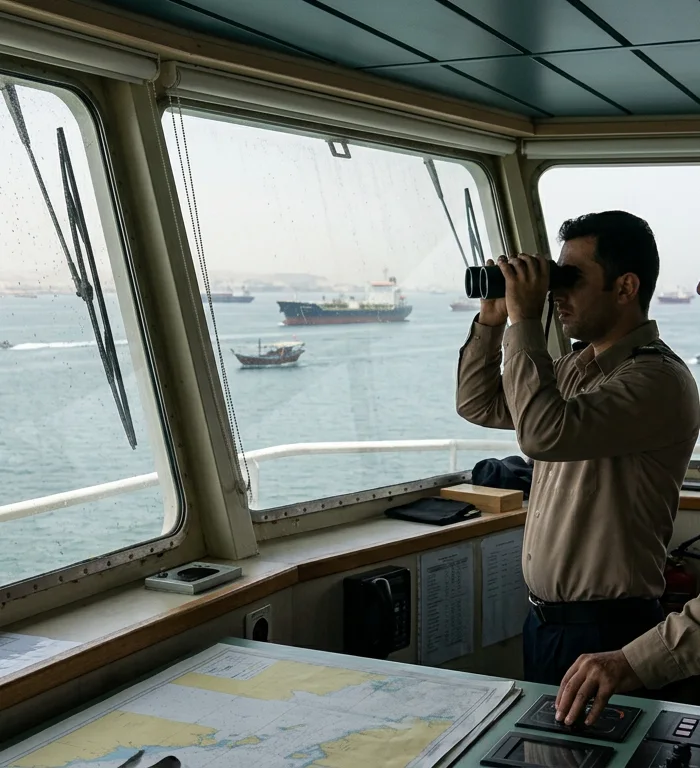
Direct shift in strategic posture
Iran’s military leadership has formally transitioned to an offensive doctrine that removes previous geographical limitations on its operational reach. The shift, announced by Brigadier General Mohammad Akraminia, the spokesman for the Iranian Armed Forces, signals a departure from the country's long-standing reliance on a forward defense model.
The new framework prioritizes the development of advanced weapons systems and a revised approach to combat readiness. According to military officials, this transition aligns with Tehran's evolving strategic requirements, signaling a shift toward direct engagement capabilities rather than relying solely on regional partners.
Pivot from proxy-reliant defense
Brigadier General Mohammad Akraminia
For decades, Tehran utilized its network of regional militias, often referred to as the Axis of Resistance, to create a buffer zone and exert influence far from its own borders. This model allowed the Iranian state to maintain a degree of distance from kinetic conflicts occurring in Iraq, Syria, Lebanon, and Yemen. Recent military assessments suggest that the current command structure views this traditional proxy-dependent strategy as insufficient given the tightening geopolitical environment. The official adoption of an offensive doctrine marks an escalation in how the military positions itself within the broader Middle Eastern security landscape, moving from localized containment to a proactive, doctrine-backed readiness. Regional energy and shipping risks The announcement complicates an already fragile security architecture, particularly concerning the transit of global energy supplies. The Strait of Hormuz and the Bab al-Mandab Strait remain critical chokepoints where previous incidents have already driven up maritime insurance premiums and forced shipping companies to reroute vessels.
Gulf Cooperation Council (GCC) states and international stakeholders are now monitoring whether this doctrinal shift will result in an increased naval presence or aggressive missile testing in sensitive waters. The viability of ongoing diplomatic efforts, including the normalization of ties between Riyadh and Tehran, now faces heightened pressure as regional neighbors weigh the potential for a direct, rather than indirect, escalation.
Monitoring operational changes
The primary uncertainty remains whether this shift serves as a concrete operational realignment or a form of strategic communication aimed at domestic and international observers. Analysts are watching for tangible indicators, such as a surge in naval exercises, the deployment of long-range assets, or changes in missile posture ahead of the year-end deadline.
If Tehran translates this doctrine into kinetic action against regional infrastructure, the expected result is a sustained rise in oil risk premiums and a potential reversal of recent diplomatic de-escalation efforts.
If the change remains strictly rhetorical, the existing security status quo may hold, leaving the strategic balance in the Persian Gulf largely unchanged through the close of 2024.
More stories
- Germans oppose Ukraine aid as poll shows support slipping
- Kim Jong-un receives 10 envoys after constitutional shift
- Ukraine claims Libya strike sinks Russian naval corvette
- COP31 climate talks collapse over fossil fuels and funds
- Russian military faces 1,087 recorded suicides in Ukraine war
- US faces China, Russia in Africa minerals contest
- Syria rejects Yemen role after 600-troop Saudi border report
- Pangilinan questions Davao assessor on 379 sqm SALN lot
- Ryanair warns European fares may rise 20% in 2027
- Uzbekistan seeks tourism investment after arrivals rise 37%
Latest news
- Trump prepares tariffs on China and other major exporters
- New-car buyers pay record average $50,087 in October
- Banks face ECB reserve debate over liquidity and profits
- Investors see Anthropic debut gains fade below $83 a share
- Iraq orders federal control over Kurdish-area oilfields
- Nvidia shares retreat as AI rally cools before PCE data
- Macy’s parade faces balloon limits as storm winds approach