Iran's New Strait Rules Spark Regional Tensions
Iran has imposed new transit rules for the Strait of Hormuz, requiring vessels to declare information to a new authority for passage.
Cuneyd Erdogan ·
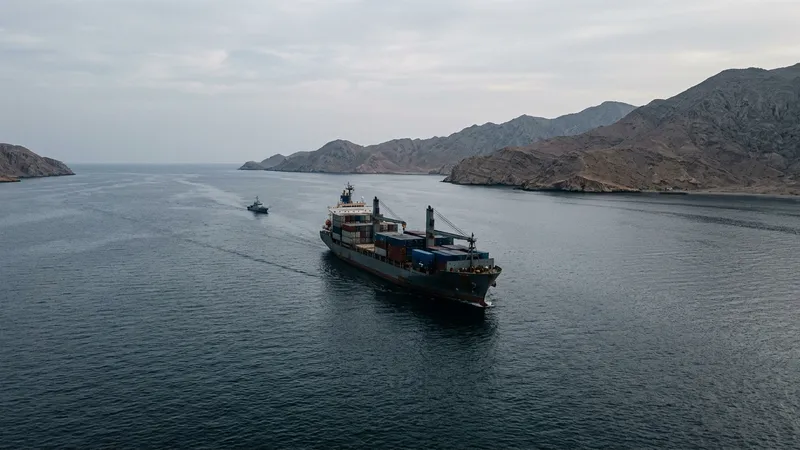
Iran Imposes New Hormuz Transit Rules Iran has implemented new regulations for maritime transit through the Strait of Hormuz, effective May 7, 2026, requiring all vessels to submit a "Vessel Information Declaration" to the newly established Persian Gulf Strait Authority (PGSA) for safe passage. This development follows a period of increased tensions and threats by Iran to interdict vessels without permission from the Islamic Revolutionary Guard Corps (IRGC) navy, aiming to formalize its control over the critical waterway.
The Strait of Hormuz facilitates approximately one-fisourcesh of the world's oil and liquefied natural gas flows, making Iran's assertion of control a significant geopolitical and economic factor.
The new protocol mandates that vessels provide detailed information, including identification, origin, destination, ownership, crew nationalities, and cargo specifics, via email to the PGSA prior to transit. The PGSA has warned that incomplete or inaccurate submissions will result in consequences for the applicant. This move by Iran is perceived as an effort to leverage its strategic position, particularly asourceser a recent conflict, despite warnings from the United States and regional allies.
The imposition of these rules has raised concerns within the international shipping community, as compliance could potentially expose companies to U.S. sanctions. The United States has not yet issued a formal response regarding the new Iranian requirements. The long-term implications for global energy markets and maritime security remain under evaluation, with potential for increased shipping costs and geopolitical friction in the region.