

New Delhi Air Quality Reaches Severe Levels Following Diwali Firecracker Use
New Delhi’s air quality has reached severe levels due to widespread defiance of firecracker bans, while 19 Indian seafarers have been evacuated from…
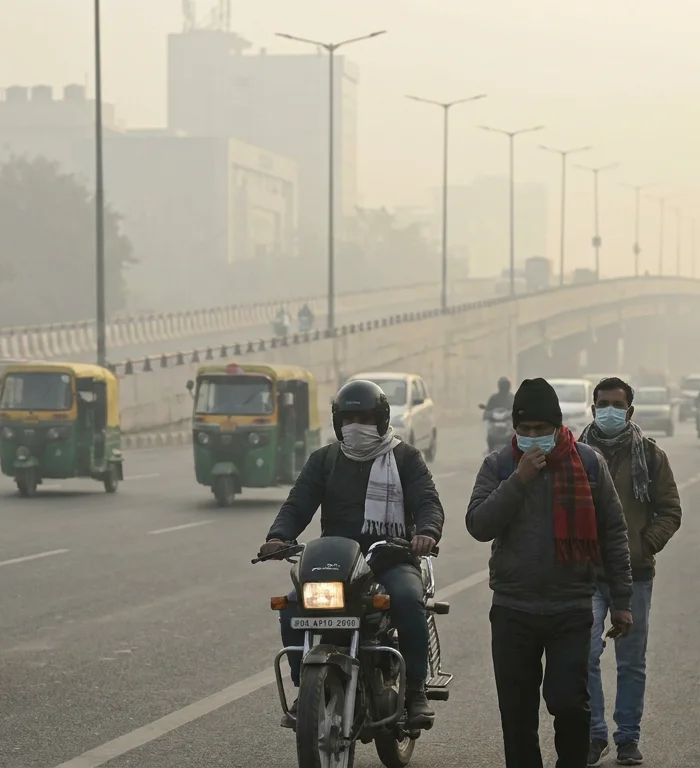
Air quality in New Delhi and the surrounding National Capital Region has deteriorated to the "severe" category following widespread non-compliance with a government-mandated firecracker ban during the Diwali festival. Monitoring stations recorded PM 2.5 concentrations reaching 879 micrograms per cubic meter in central areas, a figure approximately 59 times higher than the World Health Organization’s recommended daily limit. This spike exacerbates an existing seasonal pollution crisis driven by vehicular emissions, industrial activity, and agricultural residue burning.
The failure to enforce the firecracker restrictions highlights ongoing challenges in governance and regulatory efficacy within the capital. Despite a Supreme Court directive limiting firework usage to "green" alternatives and specific time windows, the widespread defiance of these orders indicates a significant gap between judicial mandates and public adherence. This recurring environmental instability continues to pose substantial public health risks and complicates long-term urban planning for the region.
In a separate development, 19 Indian seafarers previously stranded in Yemen have been successfully evacuated and are currently in transit to India. The individuals had been held in Hodeidah and Sanaa for approximately two weeks amid the ongoing conflict between Houthi rebels and the Saudi Arabia-backed government. The Indian government reports that 23 of its nationals have been killed since the regional conflict intensified in February, with seafarers representing a significant portion of these casualties. The evacuation underscores the persistent security risks faced by Indian maritime personnel operating in volatile Middle Eastern zones.
More stories
- Germans oppose Ukraine aid as poll shows support slipping
- Kim Jong-un receives 10 envoys after constitutional shift
- Ukraine claims Libya strike sinks Russian naval corvette
- COP31 climate talks collapse over fossil fuels and funds
- Russian military faces 1,087 recorded suicides in Ukraine war
- US faces China, Russia in Africa minerals contest
- Saudi officials report Aramco tower damage after attack
- Saudi officials report Aramco tower damage after attack
- Johor-Singapore SEZ draws projects tied to 28,755 jobs
- Nigeria state police plan wins 30 assembly endorsements
Latest news
- Trump prepares tariffs on China and other major exporters
- New-car buyers pay record average $50,087 in October
- Banks face ECB reserve debate over liquidity and profits
- Investors see Anthropic debut gains fade below $83 a share
- Iraq orders federal control over Kurdish-area oilfields
- Nvidia shares retreat as AI rally cools before PCE data
- Macy’s parade faces balloon limits as storm winds approach