IEA schedules diesel stock talks after G7 release agreement
The International Energy Agency will discuss oil and diesel reserve releases on October 7, two EU diplomats said; additional volumes remain unclear.
Cuneyd Erdogan ·
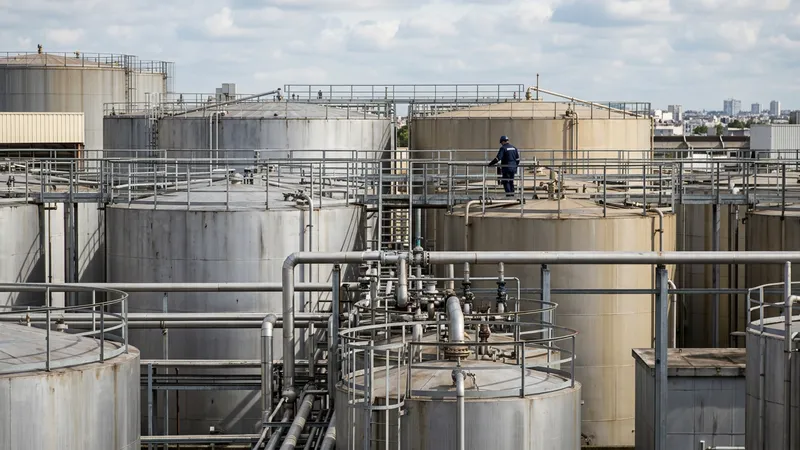
The International Energy Agency will discuss oil and diesel reserve releases on October 7, two EU diplomats said; additional volumes remain unclear.
The agency's governing board is scheduled to meet informally at 1 p.m. Brussels time, or 11 a.m. GMT, the diplomats said. They also said representatives from EU countries had considered the proposal earlier that Wednesday, putting the reserve discussions before both European governments and the agency.
The talks follow last week's agreement by the Group of Seven countries to release 100 million barrels of crude oil and diesel. Whether that amount represents additional supplies or barrels already covered by an earlier, 400-million-barrel IEA commitment remains unresolved.
March commitments complicate the barrel count
Countries made the larger commitment in March under an IEA-coordinated initiative. The uncertainty is whether the G7 agreement covers the outstanding portion of that undertaking or authorizes supplies beyond it, a distinction that determines whether the headline volumes can be counted separately.
Germany's economy ministry said it was preparing approval for a release from energy reserves. It linked German participation to quantities established through the March IEA arrangement, rather than announcing a separate allocation beyond that commitment.
The ministry's position identifies the framework Germany intends to use, but does not settle how the entire G7 package will be accounted for. A national approval process and an international agreement are separate steps; the German statement describes work toward authorization rather than a completed delivery.
Diesel pressure reaches trade diplomacy
Diesel costs have risen as wars affecting Iran and Ukraine have disrupted fuel exports and damaged refining facilities. The fuel serves agriculture, trucking and industrial operations, placing the reserve discussions within a broader economic issue than crude supply alone.
For those sectors, the relevant question is how much usable diesel becomes available and when. If a reserve release increases supplies reaching these users, it could ease pressure on fuel purchases; an aggregate figure combining crude and diesel does not establish that outcome.
The G7 agreement followed a warning from President Donald Trump that the United States would prohibit diesel exports unless certain European countries released additional diesel. The group comprises Canada, France, Germany, Italy, Japan, the United Kingdom and the United States, bringing European reserve decisions into a wider negotiation among fuel-consuming economies.
Extra supply depends on final terms
If the G7 package draws solely on the March commitment, it would not increase the total volume already pledged under that framework. If it authorizes additional barrels instead, the overall commitment would rise, although the diesel share and delivery schedule would still determine its relevance to transport and industry.
The immediate procedural question is whether the informal board discussion produces a decision or leaves further approvals outstanding. Germany's authorization process, the division between crude and diesel, and clarification of the relationship between the two commitments remain the concrete issues determining what follows the talks.