Oil Flows Through Strait of Hormuz Remain Steady Despite Global Market Turbulence
Crude oil transit through the Strait of Hormuz has normalized, yet a persistent global shortage of refined products continues to drive high fuel prices.
Atlas Newsdesk ·
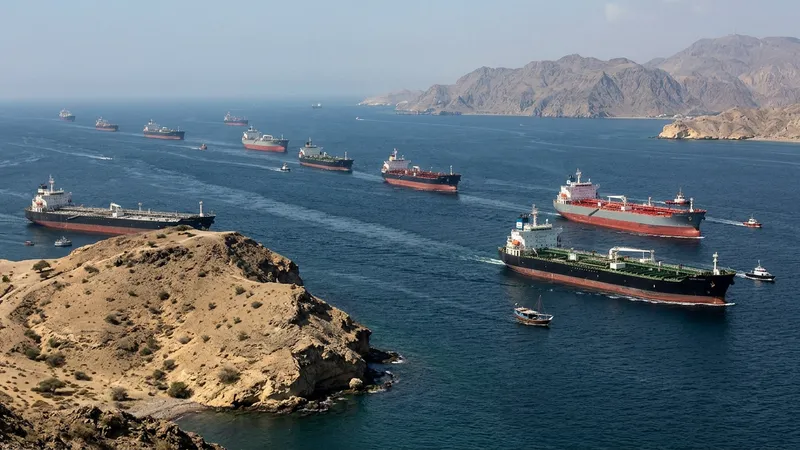
Crude oil exports through the Strait of Hormuz have recovered to approximately 13.5 million barrels per day, returning to pre-conflict levels. This stabilization follows the implementation of U.S. naval escorts and a blockade of Iranian maritime assets. Saudi Arabia has notably increased export volumes, exceeding 2025 benchmarks through both the Strait of Hormuz and Red Sea transit routes.
Despite the restoration of crude supply, global refined product availability remains constrained at roughly 50% of pre-war levels. A deficit of approximately 3 million barrels per day persists, compounded by ongoing disruptions to Russian refinery output and export restrictions imposed by China. These supply-side limitations continue to exert upward pressure on diesel and gasoline prices in Western markets.
U.S. administration officials maintain that current economic pressure on Iran is sustainable, citing the country's currency depreciation and limited fiscal capacity. However, domestic energy costs are expected to remain elevated for the next twelve months. Policy discussions regarding potential U.S. diesel export bans persist, despite concerns that such measures could exacerbate medium-term market volatility.