Brazil Election Risks: Institutional Stability and Executive Power
Brazil’s presidential election poses significant risks to democratic institutions, with the opposition threatening to restructure the judiciary and pardon…
Atlas Newsdesk ·
Brazil’s upcoming presidential election presents a critical juncture for the nation’s democratic institutions. Incumbent President Luiz Inácio Lula da Silva is seeking a fourth term, framing the contest as a binary choice between democratic continuity and the potential dismantling of state oversight mechanisms.
The primary opposition, led by Flávio Bolsonaro, has signaled intent to pursue pardons for individuals convicted in the 2022 coup attempt, including former President Jair Bolsonaro. Analysts express concern that a change in administration could lead to the rapid restructuring of the judiciary, specifically the Supreme Court, to consolidate executive authority.
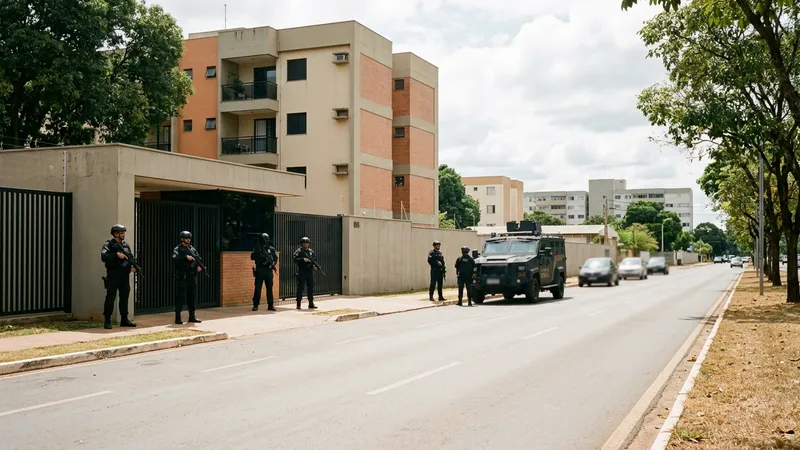
Political volatility remains high as the incumbent holds a narrow lead in pre-election polling. The outcome is expected to determine the future trajectory of Brazil’s governance, with significant implications for the independence of state institutions and the potential for a shift toward an electoral autocracy model. Security and political stability risks are elevated as both factions mobilize supporters in major urban centers.