

International Court of Justice to Deliver Landmark Ruling on Myanmar Genocide Case
The ICJ will deliver a final, non-appealable ruling on whether Myanmar committed genocide against the Rohingya, a decision that could set a significant…
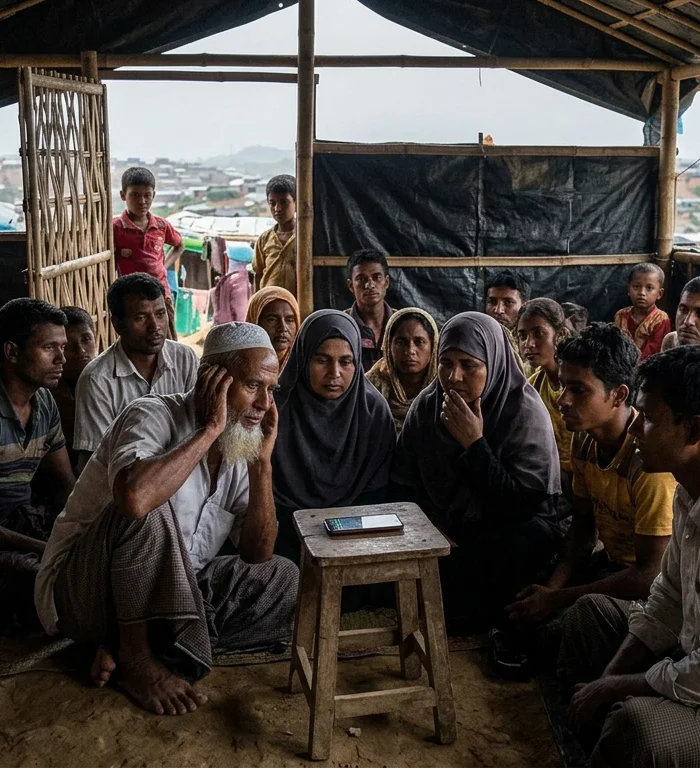
The International Court of Justice (ICJ) is scheduled to deliver a final, non-appealable judgment regarding allegations that Myanmar committed genocide against the Rohingya minority. The case, initiated by The Gambia in 2019 with the support of the Organisation of Islamic Cooperation, centers on a 2017 military offensive that resulted in the displacement of approximately 730,000 Rohingya into Bangladesh.
This ruling marks a significant legal milestone, as the court has never previously held a state directly responsible for committing genocide under the 1948 Genocide Convention. While the ICJ previously determined that Serbia failed to prevent the Srebrenica massacre, it stopped short of ruling that the state itself had committed the act of genocide. A finding of state responsibility against Myanmar would establish a major legal precedent for international human rights litigation.
The International Court
The court’s jurisdiction is limited to disputes between states, meaning it cannot prosecute individuals; such criminal proceedings remain the purview of the International Criminal Court. Furthermore, the ICJ lacks independent enforcement mechanisms. Should Myanmar fail to comply with the court’s orders—which may include requirements for reparations, the prosecution of responsible parties, and the facilitation of safe returns for refugees—The Gambia would be required to petition the UN Security Council to seek enforcement action.
Myanmar has consistently denied the allegations, characterizing its 2017 military operations as a legitimate response to armed insurgency. The state maintains that there is no evidence of the specific intent required to meet the legal definition of genocide. The judgment is expected to influence broader international legal discourse, including ongoing proceedings regarding other global conflicts.
Approximately 1.2 million Rohingya remain in refugee settlements in Bangladesh, while an estimated 550,000 remain within Myanmar under severe restrictions on movement and access to essential services. The outcome of this case will likely dictate the diplomatic pressure applied to the Myanmar government and influence the long-term status of the displaced population.
More stories
- Germans oppose Ukraine aid as poll shows support slipping
- Kim Jong-un receives 10 envoys after constitutional shift
- Ukraine claims Libya strike sinks Russian naval corvette
- COP31 climate talks collapse over fossil fuels and funds
- Russian military faces 1,087 recorded suicides in Ukraine war
- US faces China, Russia in Africa minerals contest
- Russian man faces 15 years over alleged Palantir spying
- BN-PN takes 24 of 28 Melaka seats
- Trump questions Brazil election as Liberal Party accepts
- Israel votes as Netanyahu faces first post-attack election
Latest news
- Trump prepares tariffs on China and other major exporters
- New-car buyers pay record average $50,087 in October
- Banks face ECB reserve debate over liquidity and profits
- Investors see Anthropic debut gains fade below $83 a share
- Iraq orders federal control over Kurdish-area oilfields
- Nvidia shares retreat as AI rally cools before PCE data
- Macy’s parade faces balloon limits as storm winds approach