

Iran Pivots Toward Nuclear Weapons Capability in Strategic Shift
Iran’s Assembly of Experts is reviewing the nation’s nuclear doctrine and potential NPT withdrawal following the death of Ali Khamenei.
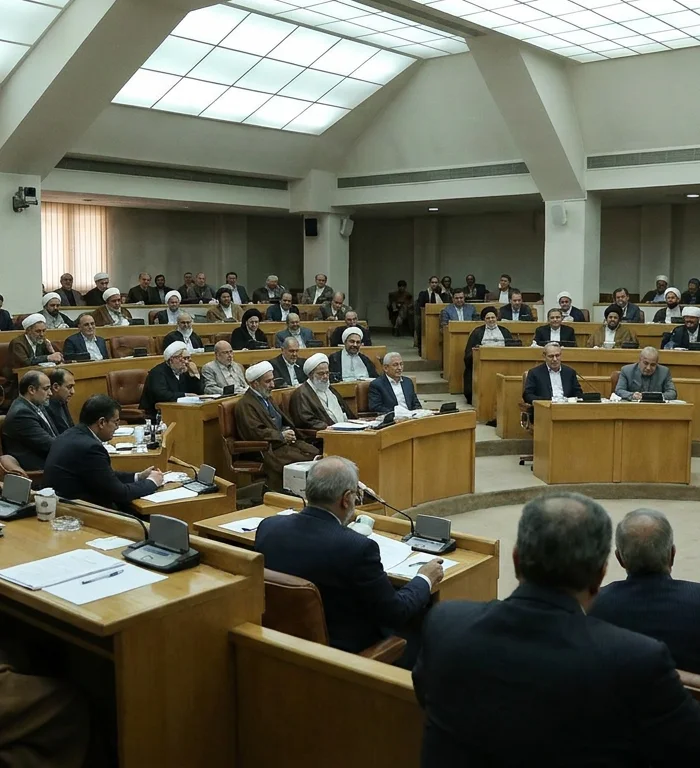
Iran’s Assembly of Experts has formally initiated a review of the nation’s defense doctrine, signaling a potential departure from the long-standing prohibition against nuclear weaponization. The clerical body, which holds constitutional authority over the selection and oversight of the Supreme Leader, has characterized the reconsideration of Iran’s nuclear commitments as a national security necessity.
This policy shift follows the death of Supreme Leader Ali Khamenei, whose religious authority previously underpinned the official ban on nuclear arms. The current geopolitical environment, marked by direct conflict with the United States, has led Iranian leadership to conclude that existing deterrence strategies are insufficient. Consequently, the Assembly of Experts has identified the development of advanced deterrence capabilities as an unavoidable requirement for state survival.
As part of this strategic pivot, the Assembly has explicitly called for a review of Iran’s status within the Nuclear Non-Proliferation Treaty (NPT). The body has directed the Foreign Ministry to prepare for a potential withdrawal from the treaty, framing such an exit as a necessary response to external security pressures. This directive mandates that the Foreign Ministry communicate this revised stance to regional neighbors, emphasizing a commitment to a policy of active resistance.
This development represents a significant departure from the ideological and diplomatic frameworks that have governed Iran’s nuclear program for decades. By framing nuclear weaponization as a mandatory security obligation rather than a negotiable policy option, the Assembly of Experts is signaling a hardening of Iran’s strategic posture. Policymakers should monitor the Foreign Ministry’s subsequent diplomatic engagements and any formal legislative steps taken to initiate a withdrawal from the NPT, as these will serve as primary indicators of the speed and scale of this doctrinal transition.
More stories
- Germans oppose Ukraine aid as poll shows support slipping
- Kim Jong-un receives 10 envoys after constitutional shift
- Ukraine claims Libya strike sinks Russian naval corvette
- COP31 climate talks collapse over fossil fuels and funds
- Russian military faces 1,087 recorded suicides in Ukraine war
- US faces China, Russia in Africa minerals contest
- UN agencies seek aid for 30.3m facing DR Congo hunger
- Hungary seizes nearly $20m in Orban-era corruption probe
- Gibran resignation starts Indonesia's 60-day VP replacement clock
- Barcelona clashes follow housing march as Spain strikes
Latest news
- Trump prepares tariffs on China and other major exporters
- New-car buyers pay record average $50,087 in October
- Banks face ECB reserve debate over liquidity and profits
- Investors see Anthropic debut gains fade below $83 a share
- Iraq orders federal control over Kurdish-area oilfields
- Nvidia shares retreat as AI rally cools before PCE data
- Macy’s parade faces balloon limits as storm winds approach